A practical sourcing guide for European and North American B2B buyers on vegan sandals wholesale from China. Learn how to define vegan materials, run non-animal lines alongside genuine leather, prepare material declarations and compliance documents, and control consistency across bulk orders.
European and North American buyers increasingly ask for sandals that contain no animal-derived materials — and they need that claim to hold up in a customs file, a retail compliance portal, or a brand sustainability report. The sourcing question is rarely "can you make vegan sandals?" It is "can you define the material, document it, and keep it consistent across every bulk order?" This guide answers that question for importers, private-label brands, and sourcing agents working with Chinese footwear manufacturers.
- "Vegan" is a material-origin claim, not a performance grade. Define which components must be non-animal before you request quotes.
- A factory that already runs genuine-leather lines can run vegan lines in parallel — provided material segregation and traceability are managed at the workshop level.
- Material declarations, supplier statements, and component-level documentation are the buyer's responsibility to specify in the purchase order.
- Consistency across repeat orders depends on locking material sources, color references, and inspection stages before mass production.
What "Vegan" Actually Means in Footwear Sourcing
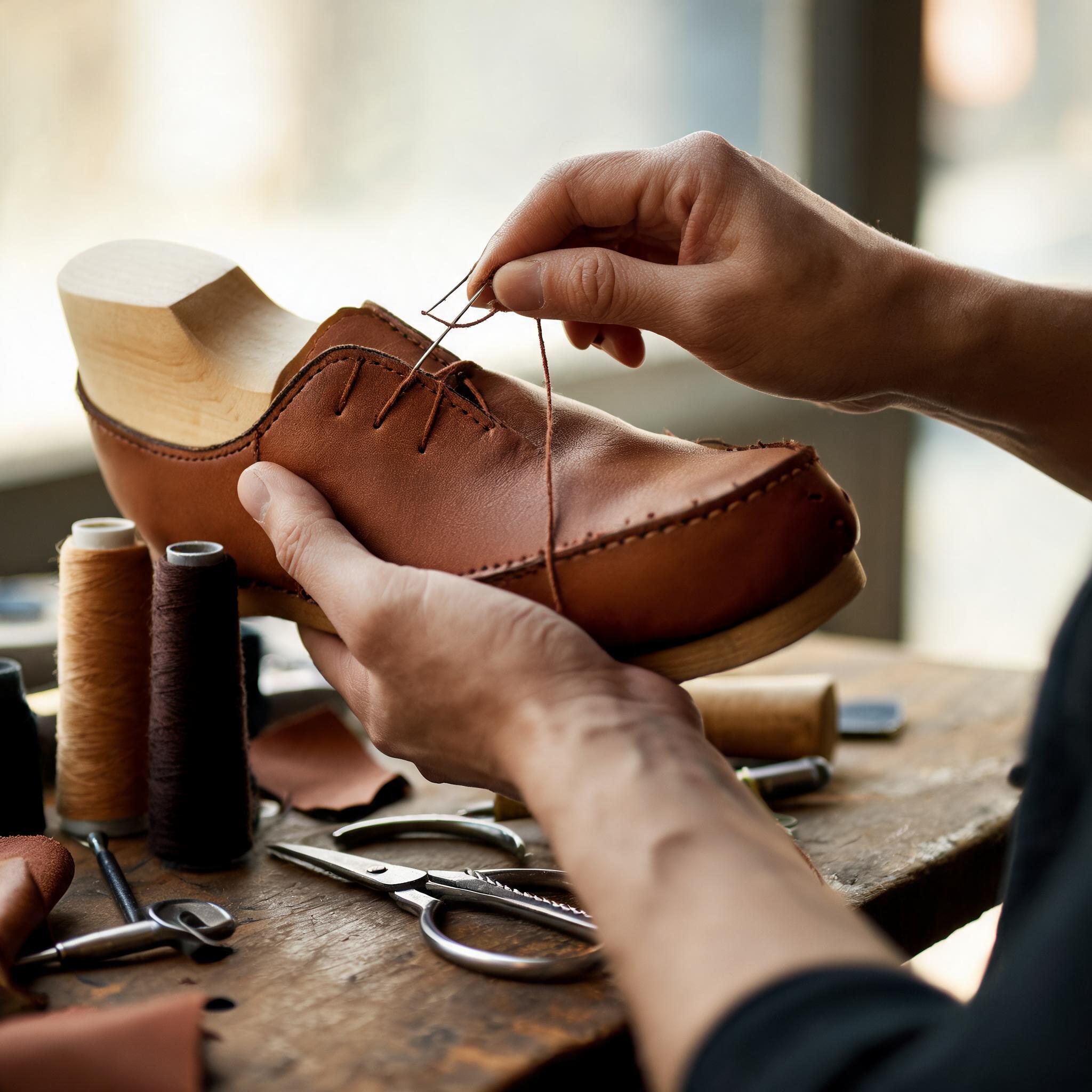
In footwear, a vegan claim covers every animal-derived component, not just the upper. Buyers who define the scope too narrowly often discover a non-compliant lining, adhesive, or trim after the goods are packed. Before sourcing, agree on which parts of the sandal fall under the claim:
- Upper: synthetic leather (PU/PVC), textile, canvas, or plant-based coated fabric instead of animal hide.
- Lining and footbed: textile, synthetic suede, or foam instead of leather lining.
- Sole: rubber, EVA, or jute/plant-fiber constructions that do not use animal-based adhesives.
- Adhesives and finishes: often overlooked, but some traditional adhesives and waxes are animal-derived.
- Trims: buckles, straps, and decorative elements — check coatings and backing materials.
A sandal can be 90% non-animal and still fail a vegan claim because of one lining or adhesive. That is why the material definition belongs in the technical pack, not in a marketing conversation.
Running Vegan Lines Alongside Genuine-Leather Lines
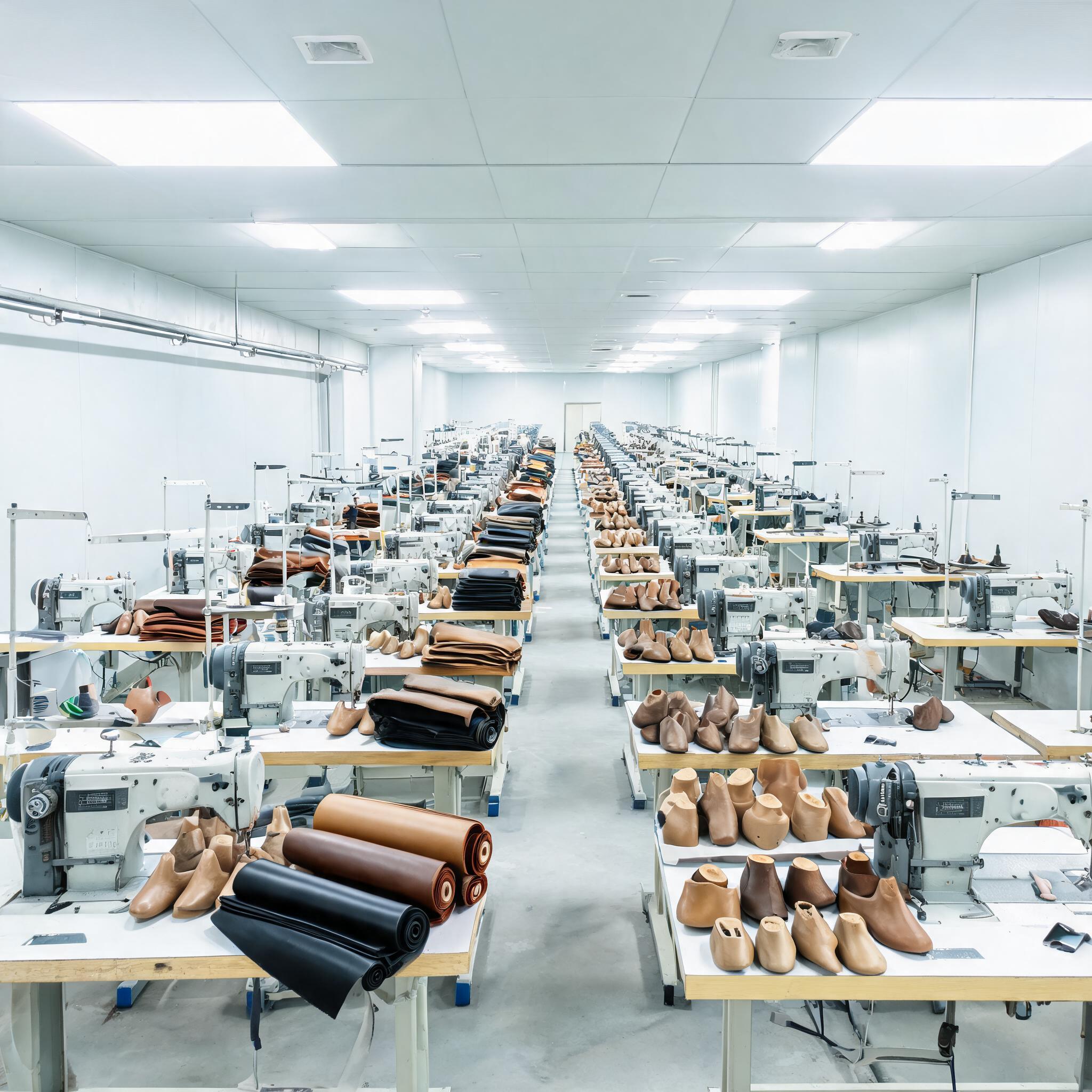
Aurevia Footwear Co., Ltd., founded in 2011 in Quanzhou, China, is a B2B manufacturer and exporter with a 260-person team. The company's main products include women's, men's, and kids' shoes — leather boots, sneakers, sandals, loafers, and heels — with OEM and ODM supported by an in-house design team. Genuine leather and premium materials are sourced through stable supply channels, with multi-stage inspection to keep color, texture, and durability consistent across repeat orders.
For buyers, this matters because vegan programs are usually not a separate factory. They run on the same lines, patterns, and finishing equipment as leather programs. The sourcing risk is not capability — it is cross-contamination and documentation. When you place a vegan order with a manufacturer that also handles leather, ask how the following are managed:
- Material segregation: Are vegan uppers, linings, and adhesives stored and issued separately from leather components?
- Cutting and stitching: Are cutting tables and stitching stations cleaned between leather and non-animal runs, or are dedicated lines used?
- Adhesive control: Is the adhesive specification confirmed as non-animal for the entire production batch?
- Sampling: Does the vegan sample use the exact materials that will be used in bulk, or a substitute?
These are practical workshop questions. A manufacturer with in-house design and pattern teams can usually answer them at the sample stage, which is the right time to raise them.
Material Declarations and Compliance Documents
European and North American buyers typically need a documentation trail that connects the finished sandal to its component materials. The exact requirements depend on your market, your retailer, and your brand's own claims policy. Common document types include:
| Document | What it covers | Who provides it |
|---|---|---|
| Material declaration | Component-by-component list of materials used in the sandal | Manufacturer, based on supplier data |
| Supplier statement | Confirmation that a specific material contains no animal-derived content | Material supplier |
| Adhesive declaration | Confirmation that adhesives used in assembly are non-animal | Adhesive supplier / manufacturer |
| Technical pack | Construction, materials, colors, and packaging specifications | Buyer and manufacturer jointly |
| Inspection report | Material, construction, and finished-shoe inspection results | Manufacturer's QC team |
Two practical points. First, declarations are only as good as the material source. If a lining supplier changes its formulation without notice, the declaration may no longer be accurate. Locking material sources in the purchase order is the simplest control. Second, documentation requirements should be written into the PO or technical pack before production, not requested after shipment. Retrofitting paperwork is slower and less reliable.
Controlling Material Consistency Across Bulk Orders
Vegan sandals face the same consistency challenges as any footwear program: color variation between dye lots, texture differences between material batches, and construction drift over repeat orders. The difference is that a vegan claim adds a documentation layer on top of the physical quality layer.
Lock the material reference before sampling
Ask for the exact material name, composition, and supplier reference for each component. "PU upper" is not enough — specify thickness, backing, finish, and color reference. This becomes the baseline for every repeat order.
Approve a physical standard
Keep a signed sample or a material swatch card as the reference standard. When a repeat order arrives, compare the bulk material against the standard, not against a photograph.
Use multi-stage inspection
Material inspection, in-process construction checks, and finished-shoe inspection catch different problems. Material inspection catches color and texture drift early; construction checks catch assembly errors; finished-shoe inspection confirms the sandal meets the specification before shipment.
Reconfirm declarations on repeat orders
If a material supplier changes, the declaration needs to be updated. Build a simple check into your repeat-order process: confirm that the material source and adhesive specification are unchanged, or obtain updated documentation.
Product Examples for Vegan and Non-Animal Programs
Two existing Aurevia products illustrate how material choices map to different buyer programs:
- Black Leather Casual Sandals — breathable black leather casual sandals with adjustable straps, cushioned leather footbed, and lightweight anti-slip rubber outsole. OEM/ODM is available on strap design, color, logo, and packaging, with low MOQ for seasonal trial orders. This is a genuine-leather reference for buyers who also run vegan lines and want to compare construction and finishing.
- Beige Espadrille Flats — a relaxed espadrille silhouette with natural jute sole, cotton canvas upper, soft textile lining, and cushioned insole. OEM/ODM is available on fabric, color, trim, and logo. The textile-and-jute construction is relevant to buyers exploring non-animal material directions, though the vegan claim still depends on the full component list, including adhesives and trims.
Both products are made by Aurevia Footwear Co., Ltd. in Quanzhou, China, which exports to Europe, North America, and the Middle East with stable lead times, strict quality control, and flexible customization for private label programs. Every bulk order passes material, construction, and finished-shoe inspections against international quality standards before shipment.
Frequently Asked Questions
- Can a factory that makes leather sandals also produce vegan sandals?
- Yes, provided material segregation, adhesive control, and documentation are managed. Many footwear manufacturers run both programs on the same lines. The key is to confirm how vegan materials are stored, issued, and tracked during production.
- What documents should I request for a vegan sandal order?
- At minimum, a component-level material declaration, supplier statements for key materials, and an adhesive declaration. Your market and retailer may require additional documentation. Specify these requirements in the purchase order before production.
- How do I keep material consistency across repeat orders?
- Lock the material source and specification in the purchase order, approve a physical standard, and use multi-stage inspection. Reconfirm declarations if any material supplier changes.
- Does a vegan claim require certification?
- Requirements vary by market and retailer. Some buyers rely on supplier declarations and internal documentation; others require third-party certification. Clarify the requirement with your compliance team before sourcing.
Planning a vegan or non-animal sandal program? Aurevia Footwear Co., Ltd. supports OEM and ODM development for private label buyers, from sketch or reference to production-ready samples. Share your material requirements, target market, and documentation needs, and the team can confirm what is feasible for your program.