
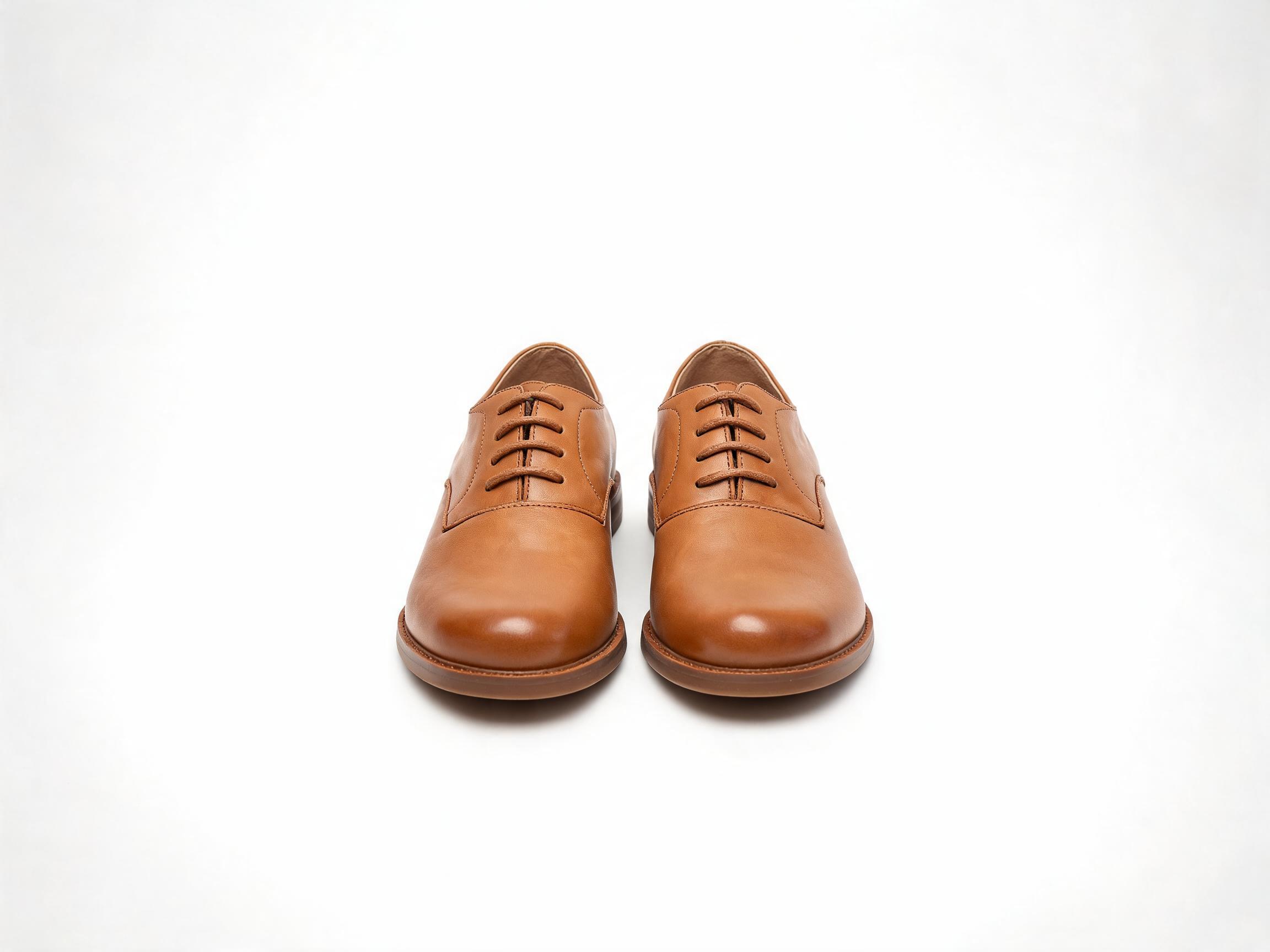
A practical guide for B2B buyers on how made-to-order footwear programs are structured—from order composition and the sampling-confirmation gate through each production stage—and how lead times are managed when every pair is built to order.
B2B Guide · Made to Order Footwear
Made-to-order shoe programs are built around a single reality: every pair starts only after a confirmed specification. For buyers, that means the order flow and lead time work differently than buying from stock. This guide explains how a made-to-order footwear program is structured—from how the order is broken down by style, color, and size, through the sampling-confirmation gate, the production stages on the factory floor, and the lead-time practices that keep a custom run predictable. It is written for sourcing managers and brand owners evaluating on-demand shoe manufacturing as an alternative to inventory-led purchasing.
Key takeaways
- A made-to-order order is defined by a style × color × size-run matrix, not a single SKU.
- Sampling confirmation is a gate: production planning starts only after the sample is approved and signed off.
- Production follows a fixed sequence: pattern grading, cutting, stitching, lasting, cementing/sole work, finishing, inspection, and packing.
- Lead-time control depends on planning around sample approval, dedicated lines in peak season, and third-party inspection.
- Confirm current MOQ and lead time with the sales team before ordering.
In this article
How a made-to-order order is structured
A made-to-order program rarely begins with a single product code. It begins with a matrix: how many styles, in which colors, across which size runs. That structure determines everything downstream—pattern grading, material purchasing, line planning, and the inspection plan. Buyers who treat the order as one SKU often underestimate the coordination the factory must do.
Styles
Each style is a separate pattern and construction. A derby and an oxford may share a last family and sole unit, but they are different patterns, different upper constructions, and often different stitching sequences. In a made-to-order program, the number of styles in one order directly affects pattern grading workload and line changeover. Style consolidation—choosing fewer styles with more colors—usually simplifies planning.
Colors
Color is where OEM/ODM programs differ most from stock buying. A manufacturer offering Pantone color matching can develop leather or material to a specified reference, but each color still needs its own approval and, in many cases, its own material lot. More colors mean more material SKUs to track. It is worth asking how color approval is handled and whether lab dips or material swatches are part of the sampling gate.
Size runs
Size runs define the grading work and the packing logic. A full run from small to large requires grading each pattern across the range, and the factory must cut and pair components accordingly. Partial runs are possible but change the cutting plan, so state the intended size distribution clearly at inquiry. For women's styles such as the tan leather oxford shoes for women, size-run planning follows the same logic as men's styles but with its own grading rules.
What to put in the order brief
- Style list with reference images or existing samples.
- Color references (Pantone or material swatches).
- Size run and expected size distribution.
- Private-label packaging requirements, including logos and labels.
- Target ship window and destination market.
Because order composition affects planning, confirm current MOQ and lead time with the sales team before ordering—especially when combining multiple styles and colors in one run.
The sampling-confirmation gate
In made-to-order footwear, the sample is the contract. Production does not start until the sample is approved, because the approved sample defines the pattern, materials, color, and construction that the bulk order must match. This is the single most important control point in the order flow.
What the sample confirms
- Pattern and fit: the last, upper pattern, and size grading are correct.
- Materials and color: leather or material matches the approved reference, including Pantone matching where specified.
- Construction: stitching, lasting, and sole attachment match the intended build.
- Branding: labels, logos, and private-label packaging details are correct.
Why the gate matters for lead time
The sampling stage is also where most lead-time risk is created. Every revision cycle adds time before production can be planned. Buyers who consolidate feedback into one round—rather than sending comments in stages—shorten the path to approval. Once the sample is signed off, the factory can release materials and schedule the line.
Treat sample approval as a joint milestone: the factory confirms the sample matches the brief, and the buyer confirms in writing that the sample is approved for bulk. Without that written confirmation, a made-to-order program has no stable reference for inspection.
Production flow stages
Once the sample is approved, the bulk order moves through a fixed sequence. Each stage has its own quality risks, and understanding them helps buyers know what to ask about during production updates.
1. Pattern grading
The approved sample pattern is graded across the ordered size run. Grading errors show up later as fit problems, so this stage is checked against the approved sample dimensions before cutting begins.
2. Cutting
Upper materials are cut according to the graded patterns. Cutting accuracy affects material yield and component matching. In multi-color orders, cutting is organized by color lot to avoid mixing.
3. Stitching
Upper components are stitched together following the approved construction. Stitch density, seam alignment, and thread color are checked against the sample. This is often the most labor-intensive stage and the one most sensitive to style complexity.
4. Lasting
The stitched upper is pulled over the last to form the shoe shape. Lasting quality affects fit and symmetry. The factory checks that the upper is correctly positioned and that the shape matches the approved sample.
5. Cementing / sole work
The sole is attached to the lasted upper. For cemented construction, surface preparation, adhesive application, and pressing conditions determine bond quality. This stage is a common focus of in-process inspection.
6. Finishing
Finishing covers edge treatment, polishing, and any surface work specified in the sample. Color consistency across the run is checked here, particularly for dyed or burnished finishes.
7. Inspection
Inspection compares the finished shoe against the approved sample and the order specification. A manufacturer operating a three-stage QC process typically inspects at incoming materials, in-process, and final stages, with reports available on request. Buyers should ask which stages are covered and what the report includes.
8. Packing
Packing follows the private-label packaging specification: box, labels, inserts, and carton marks. Packing errors are costly at destination, so the packing specification should be confirmed alongside the sample approval.
| Stage | What is controlled | Buyer checkpoint |
|---|---|---|
| Pattern grading | Size grading accuracy | Grading confirmed against approved sample |
| Cutting | Material yield and color lot separation | Material matches approved color reference |
| Stitching | Construction and thread details | Matches approved sample construction |
| Lasting | Shape and fit | Symmetry and last positioning |
| Cementing / sole work | Bond quality | In-process inspection records |
| Finishing | Color consistency and surface | Finish matches approved sample |
| Inspection | Final conformity | QC report available on request |
| Packing | Private-label packaging | Packing spec confirmed before production |
Lead-time management practices
Made-to-order lead times are not a single number. They are the sum of sampling, material preparation, production, inspection, and packing—each with its own dependencies. Suppliers who manage lead time well do so through planning practices rather than promises.
Planning around sample approval
Because production cannot start before sample approval, the most effective lead-time practice is to plan backward from the target ship date. The factory reserves line capacity based on the expected approval date, and the buyer commits to a feedback timeline. Delays in sample approval shift the entire schedule.
Dedicated lines in peak season
Peak season compresses capacity across the factory. A supplier that runs dedicated lines for made-to-order programs can protect custom orders from being displaced by larger stock runs. Buyers should ask how peak-season capacity is allocated and whether their order will run on a dedicated line.
Third-party inspection
Third-party inspection adds a scheduled step before shipment. It is a lead-time item, not an afterthought: the inspection date must be booked in advance and the order must be ready. Factoring inspection into the schedule avoids last-minute delays at the port.
Lead times vary with order composition, sampling revisions, and season. Confirm current MOQ and lead time with the sales team before ordering so the schedule reflects your specific style, color, and size mix.
Working with a made-to-order supplier
Quanzhou-based manufacturers have supported OEM/ODM footwear programs for international buyers since 2011, exporting to Europe, North America, and the Middle East. When evaluating a made-to-order footwear supplier, focus on the practices that affect your order flow:
- Does the supplier confirm the order as a style × color × size matrix?
- Is there a written sample-approval gate before bulk production?
- Can the supplier describe each production stage and where inspection occurs?
- Are QC reports available on request, and which stages do they cover?
- How is peak-season capacity allocated for custom runs?
- Is third-party inspection accommodated in the schedule?
For a concrete example of a made-to-order style, see the brown derby dress shoes—a classic pattern that illustrates how a single style can be developed across colors and size runs under a private label.
FAQ
What defines a made-to-order shoe order?
An order is defined by its style list, color references, size run, and packaging specification. The factory plans production around that matrix, so changes to any element after sample approval may affect scheduling.
When does production start?
Production starts after the sample is approved in writing. The approved sample becomes the reference for bulk inspection.
Can I combine multiple styles and colors in one order?
Yes, but each combination adds planning complexity. Confirm current MOQ and lead time with the sales team before ordering, especially for multi-style runs.
How is quality checked?
A three-stage QC process typically covers incoming materials, in-process production, and final inspection, with reports available on request. Ask the supplier which stages apply to your order.
Can third-party inspection be arranged?
Third-party inspection can be scheduled as part of the shipment plan. Book the inspection date in advance and confirm the order is ready.
Planning a made-to-order program?
Send your style list, color references, size run, and packaging requirements to the sales team to confirm current MOQ and lead time before ordering.