
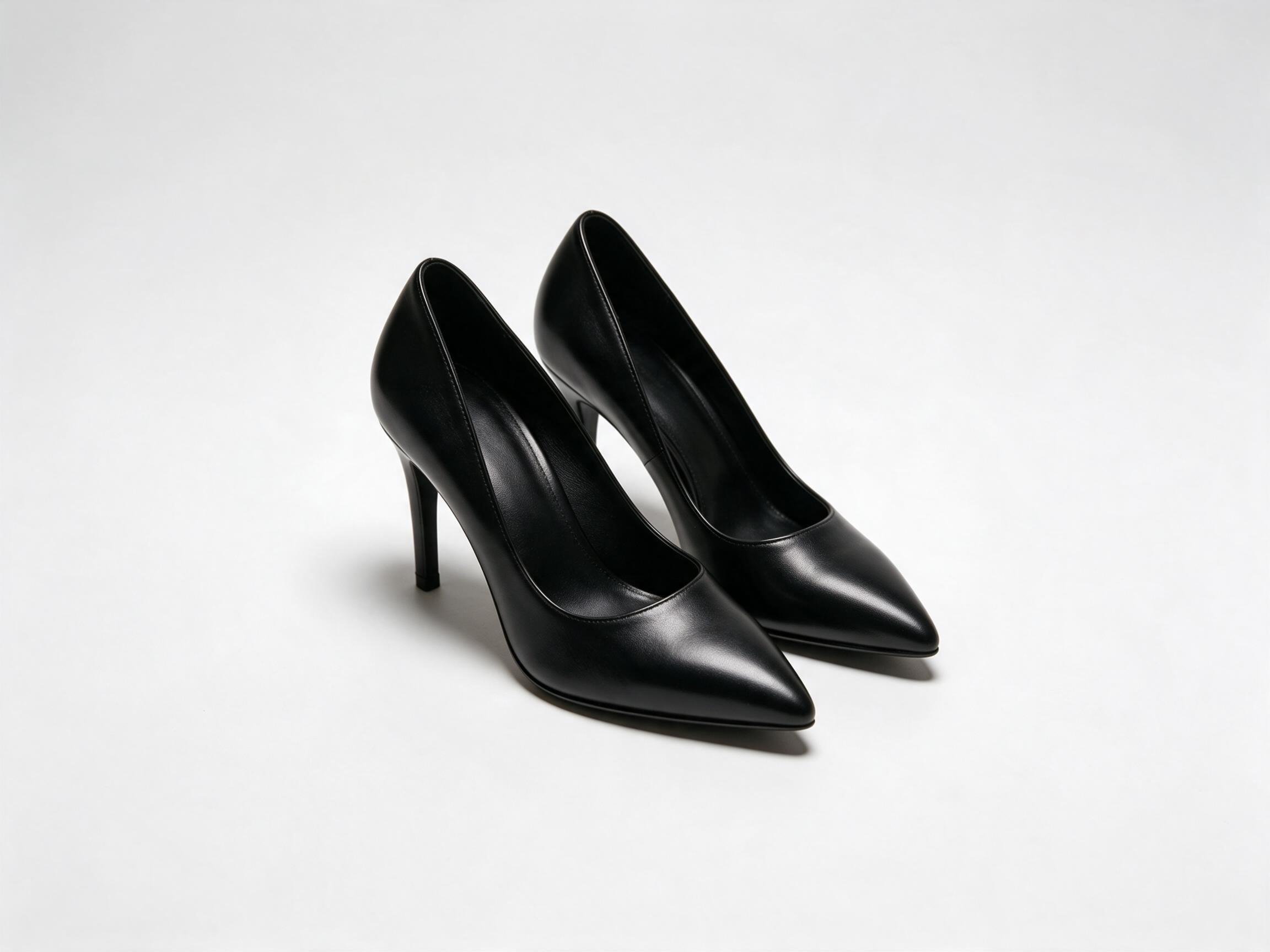
A practical QC and packing checklist for B2B buyers ordering wholesale high heels in bulk. Learn what to inspect for heel reinforcement, forefoot flex, color fastness, symmetry, bonding, and packing accuracy—and how our three-stage inspection process supports your bulk order.
Why Bulk QC for High Heels Is Different
Ordering wholesale high heels in bulk is not like ordering flat sandals or sneakers. A high heel carries load through a narrow point, and the way the heel is attached, reinforced, and bonded determines whether the shoe holds up in transit, on the shelf, and on the customer’s foot. For B2B buyers, the risk is not a single defective pair—it is a pattern of defects that shows up across a shipment after the cartons have already left the factory.
This guide walks through the QC checks that matter most for bulk heels, and the packing details that protect your margin after inspection is done. It is written from the perspective of how our QC process actually works per product records: three-stage inspection (incoming material, in-line, finished-shoe), flex testing, color fastness and heel attachment checks, third-party inspection welcome, and inspection reports shared on request.
What this guide covers
Heel Reinforcement and Heel-Attachment Checks
The heel is the first place a bulk buyer should focus. A heel that separates from the sole, wobbles, or cracks at the attachment point is a return waiting to happen. In our QC process, heel attachment is checked at the finished-shoe stage, and reinforcement is verified against the product specification.
For a model like our black leather stiletto heels, which uses a 10 cm stiletto with a reinforced heel core, the check is not just “is the heel on” but “is the heel core present, seated, and attached consistently.” In practice, that means:
- Attachment integrity: The heel is pulled and twisted by hand to check for movement, gaps, or loose fasteners. Any heel that shifts under normal handling is flagged.
- Reinforcement presence: The reinforced core is confirmed against the approved sample, so bulk pairs match what was signed off.
- Alignment: The heel sits vertical to the sole within the agreed tolerance; a leaning heel is a symmetry defect as much as a structural one.
- Top piece security: The heel tip is checked for fit and finish, since a loose tip is a common complaint point in bulk heels.
If your order uses a different heel height or shape, confirm the attachment method and reinforcement specification with the sales team before production, because the check points follow the construction, not a generic template.
Buyer takeaway: Ask your supplier to show heel-attachment check records for the finished-shoe stage. A supplier who can describe the check and share the report is easier to hold to a standard than one who only says “we check quality.”
Forefoot Flex Testing
Forefoot flex affects comfort and the risk of sole cracking. In bulk heels, the forefoot is where the shoe bends with every step, and a sole that is too stiff or too soft can fail differently: stiff soles crack at the flex line, soft soles collapse and lose shape.
Our QC includes flex tests on the finished shoe. The purpose is to confirm the forefoot bends where it should and returns without visible damage to the upper, sole, or bonding. For the stiletto model referenced above, the padded insole and pointed toe mean the flex zone is concentrated; the test checks that the toe box does not crease abnormally and that the sole edge stays intact.
When you review flex-test results, look for consistency across the sample, not just a single pass. A batch that flexes evenly is easier to pack and less likely to arrive with deformed toe boxes.
Color Fastness
Color fastness matters more in heels than in many other footwear categories because the materials are often mixed: leather or synthetic upper, lining, insole, and heel cover. If one component bleeds or fades differently, the pair looks mismatched after a short time in the box or on display.
Our QC process includes color fastness checks on finished shoes, aligned with the approved sample and material records. The check covers:
- Upper-to-lining and upper-to-sole color consistency.
- Resistance to rubbing at the heel and toe, where contact is highest.
- Color stability after the bonding and finishing steps, since adhesives and finishes can affect shade.
If your order includes multiple colors or a Pantone-matched upper, confirm the color standard and the fastness test method with the sales team before production. The check follows the agreed standard, so the standard needs to be clear on both sides.
Symmetry
Symmetry is a visual and functional check. A pair that is asymmetric in heel height, toe shape, or strap placement reads as a defect to the end customer even if it is structurally sound.
At the finished-shoe stage, symmetry is checked pair by pair against the approved sample. Key points include:
- Heel height match: Left and right heels measure within the agreed tolerance.
- Toe shape: The pointed toe is consistent in angle and length across the pair.
- Topline and collar: The opening sits evenly, with no twisting.
- Strap and ornament placement: Any decorative element is positioned symmetrically.
Symmetry defects often come from material variance or in-line handling, which is why in-line inspection matters as much as final inspection. Catching a drift early is cheaper than sorting it out at the end of the line.
Bonding and Adhesion
Bonding failures—sole separation, upper lifting, heel cover peeling—are among the most common bulk complaints in heels. The bond is tested at the finished-shoe stage, and bonding is also monitored in-line so that adhesive application and curing are checked before the shoe is finished.
Our QC checks bonding at the critical junctions:
- Sole-to-upper bond, especially at the forefoot flex zone.
- Heel-to-sole bond, combined with the heel-attachment check.
- Lining and insole adhesion, which affects comfort and shape retention.
When you evaluate a bulk heels supplier, ask how bonding is checked and whether inspection reports are available. A supplier who can share finished-shoe inspection records gives you a paper trail to compare against your own receiving inspection.
Packing Accuracy
Packing accuracy is a QC checkpoint in its own right. A shipment that is correct in quality but wrong in assortment, size ratio, or labeling creates chargebacks and rework at your warehouse.
Our process includes packing accuracy checks before cartons are sealed. For bulk heels, the check typically covers:
- Size and color assortment: Pairs match the order breakdown, including the EU 34–41 size range for the stiletto model.
- Pair matching: Left and right shoes in each box are the same size and finish.
- Label and barcode accuracy: Box labels and carton markings match the agreed specification.
- Individual branded boxes: If you supply branded boxes, the check confirms the correct box is used for the correct style and size.
Packing and Planning Considerations
Packing decisions affect damage rates, freight cost, and warehouse handling. For wholesale high heels in bulk, two packing levels matter: the individual box and the export carton.
Individual branded boxes
Heels are often sold in branded boxes, so the box is part of the product experience. Confirm the box style, board grade, printing, and any inserts with the sales team before production. For the stiletto model, the box needs to accommodate the heel height and protect the pointed toe; a box that is too shallow can crush the toe box in transit. If you supply your own branded boxes, agree the packing method and check a pre-production packing sample.
Export cartons
Export cartons need to protect the individual boxes through handling and stacking. Common considerations include carton board grade, inner dividers or inserts, and moisture protection for sea freight. The right carton configuration depends on your order mix and destination, so confirm current carton details with the sales team before ordering. Do not assume a carton count or configuration from a previous order—packing specs can change with box size and style.
| Packing element | What to confirm | Why it matters for bulk heels |
|---|---|---|
| Individual box | Style, board grade, printing, inserts | Protects toe and heel; carries branding |
| Inner packing | Tissue, dividers, desiccant if required | Reduces scuffing and moisture damage |
| Export carton | Board grade, dimensions, markings | Stacking strength and handling accuracy |
| Assortment | Size/color ratio per carton | Matches your order and warehouse picks |
Planning your inspection points
Build inspection into your order timeline, not after it. Our three-stage process—incoming material, in-line, finished-shoe—means issues can be caught before they become a shipment-level problem. Third-party inspection is welcome, and inspection reports are shared on request. If you plan to use a third-party inspector, align the inspection date with the finished-shoe stage so the inspector sees packed or pack-ready goods.
For planning, confirm current MOQ, lead time and carton details with the sales team before ordering, since these vary by style, material, and packing configuration.
FAQ
What heel-attachment checks do you perform on bulk heels?
Finished shoes are checked for heel attachment integrity, including movement, gaps, and alignment, with reinforcement verified against the approved sample. For the black leather stiletto heels, this includes the reinforced heel core.
Can I arrange a third-party inspection?
Yes. Third-party inspection is welcome, and inspection reports are shared on request. Coordinate the timing with the sales team so the inspection aligns with the finished-shoe stage.
Do you test color fastness on every order?
Color fastness is part of our finished-shoe QC process, checked against the approved sample and material records. Confirm the specific color standard for your order with the sales team.
What packing details should I confirm before ordering?
Confirm individual box style and printing, export carton configuration, and size/color assortment. Carton details vary by order; confirm current carton details with the sales team.
What is the size range for the stiletto model?
The black leather stiletto heels are available in EU 34–41. Confirm the size breakdown and packing ratio with the sales team for your bulk order.
Next Step for Your Bulk Heels Order
If you are sourcing wholesale high heels in bulk, use this checklist to structure your QC conversation with any bulk heels supplier. Ask for the inspection points, the check methods, and the reports. Then confirm the commercial details—current MOQ, lead time and carton details—with the sales team before placing your order.
For the stiletto model referenced in this guide, see the black leather stiletto heels product page for specifications.