
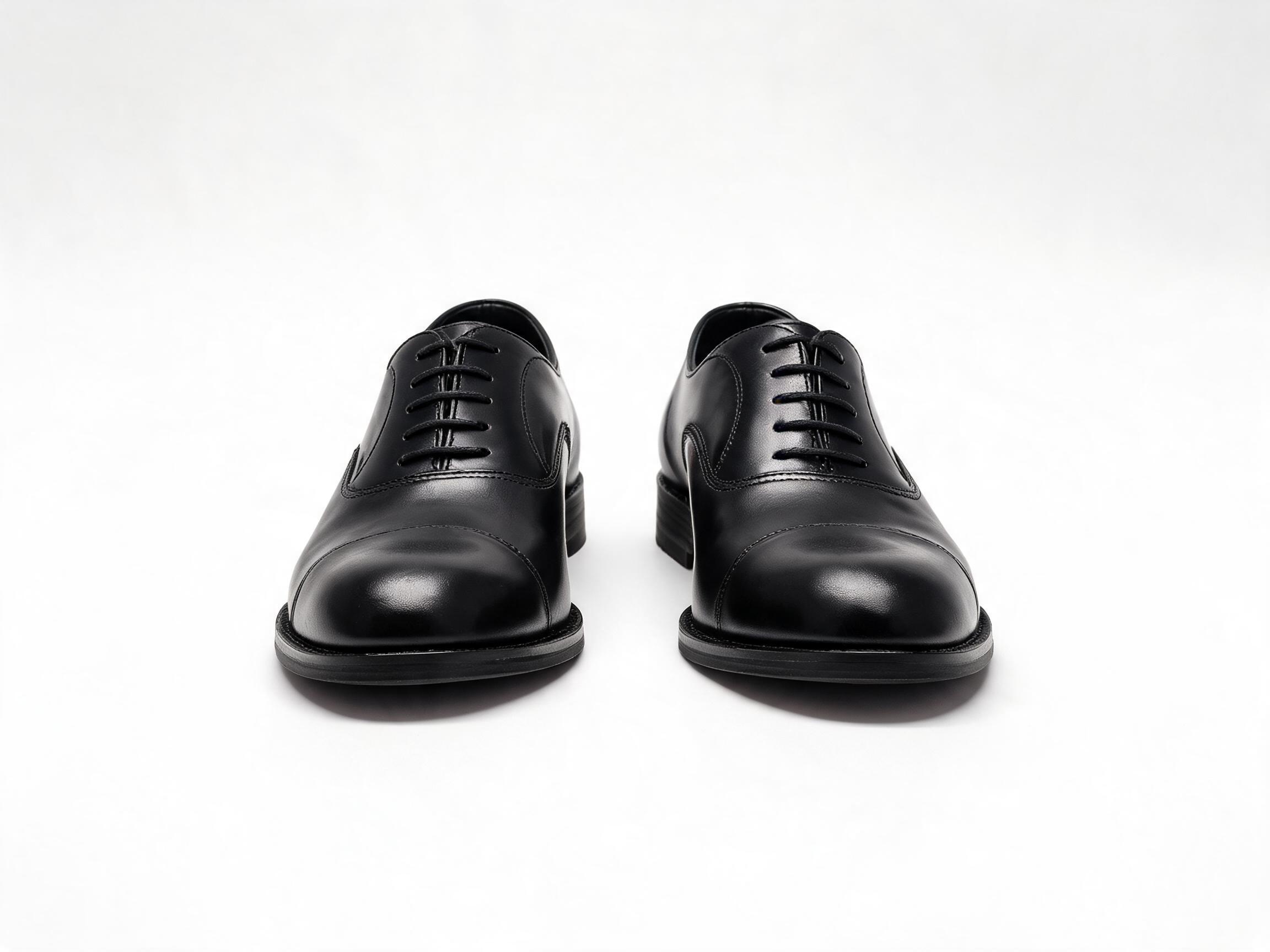
A step-by-step development walkthrough for brand buyers and importers planning custom oxford shoe programs, covering last selection, leather upper craft, sampling, private label and bulk production handoff.
When a brand buyer starts a custom oxford shoe program, the first question is rarely about price per pair. It is about whether the factory can reproduce your design intent across a full size run, in the leather you specify, with your label on the finished shoe — and keep that consistent order after order. This walkthrough covers the development sequence: last selection, upper construction, sampling, private label, and the bulk production handoff.
- Last selection determines fit and silhouette before any upper work begins.
- Leather choice and upper construction affect how the design holds shape in bulk.
- Sampling timelines differ for existing vs. custom builds — plan accordingly.
- Private label covers logo, branding, and packaging; confirm scope early.
- QC is staged at three points, not just final inspection.
Step 1: Last Selection Sets the Fit and Form
The last is the foot form the shoe is built around, and it drives nearly everything the buyer cares about: toe shape, heel height, width progression, and how the shoe feels after hours of wear. For a custom oxford program, you either choose from the factory's existing last options or commission a new one if your design calls for a silhouette not already in use.
At the selection stage, decide:
- Toe shape and profile. A cap-toe oxford and a full brogue wingtip can share a similar last but read very differently once the upper pattern is applied. Review the last against your reference footwear, not in isolation.
- Heel height and pitch. For a men's black cap-toe oxford, a heel around 3cm is common. If your design specifies a different pitch, confirm the last can accommodate it before pattern work starts.
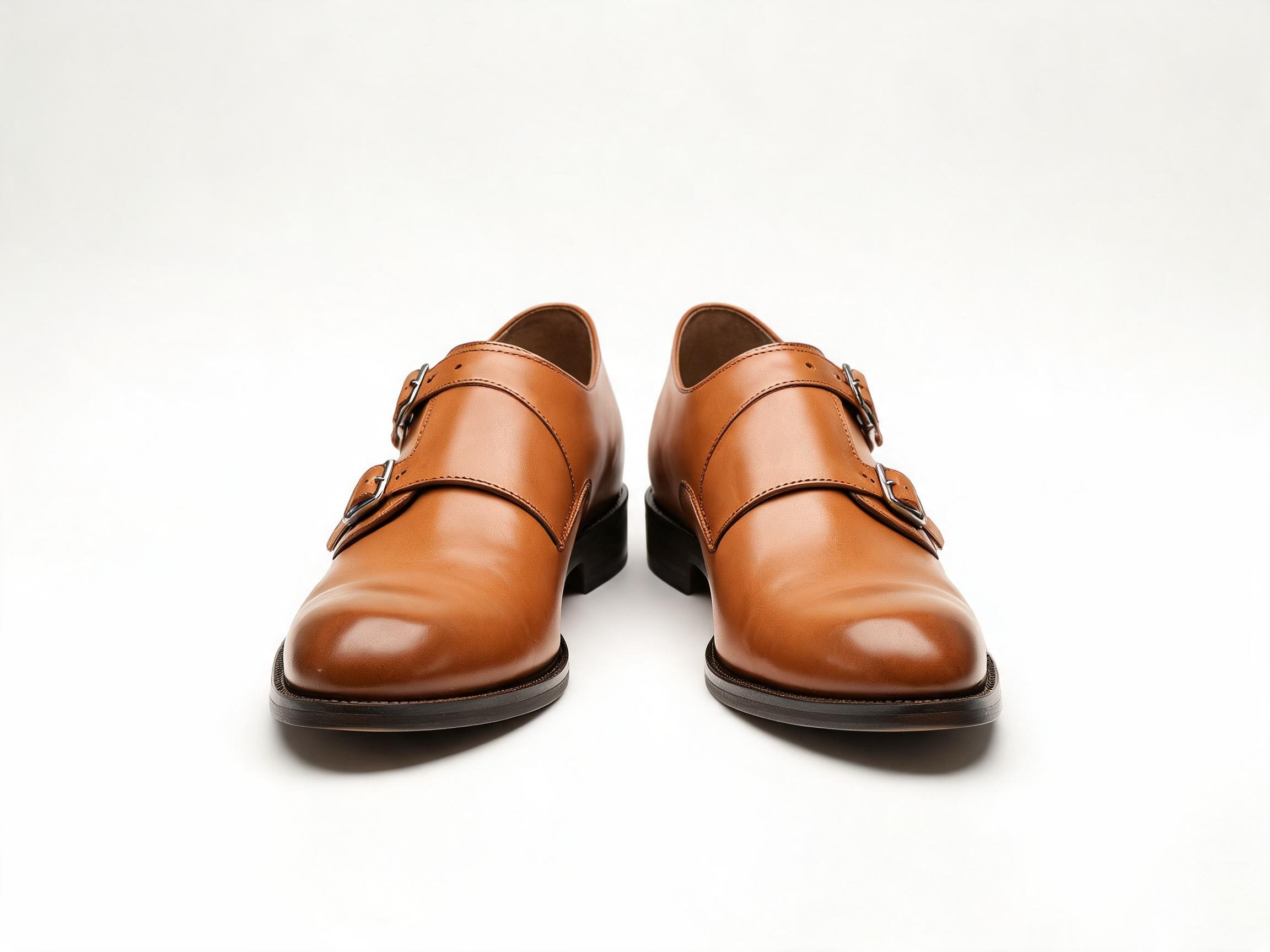
- Size range. The actual size run must match your market. For example, the Black Cap-Toe Oxford Shoes run EU 39-45, while the women's Tan Leather Oxford Shoes run EU 35-41. A last that grades well across your target range is worth confirming early.
A practical question to ask the factory: can they provide the last specification (toe width, heel height, ball girth) for the option you are considering, and does it match the size run you plan to order?
Step 2: Leather Upper Selection and Construction
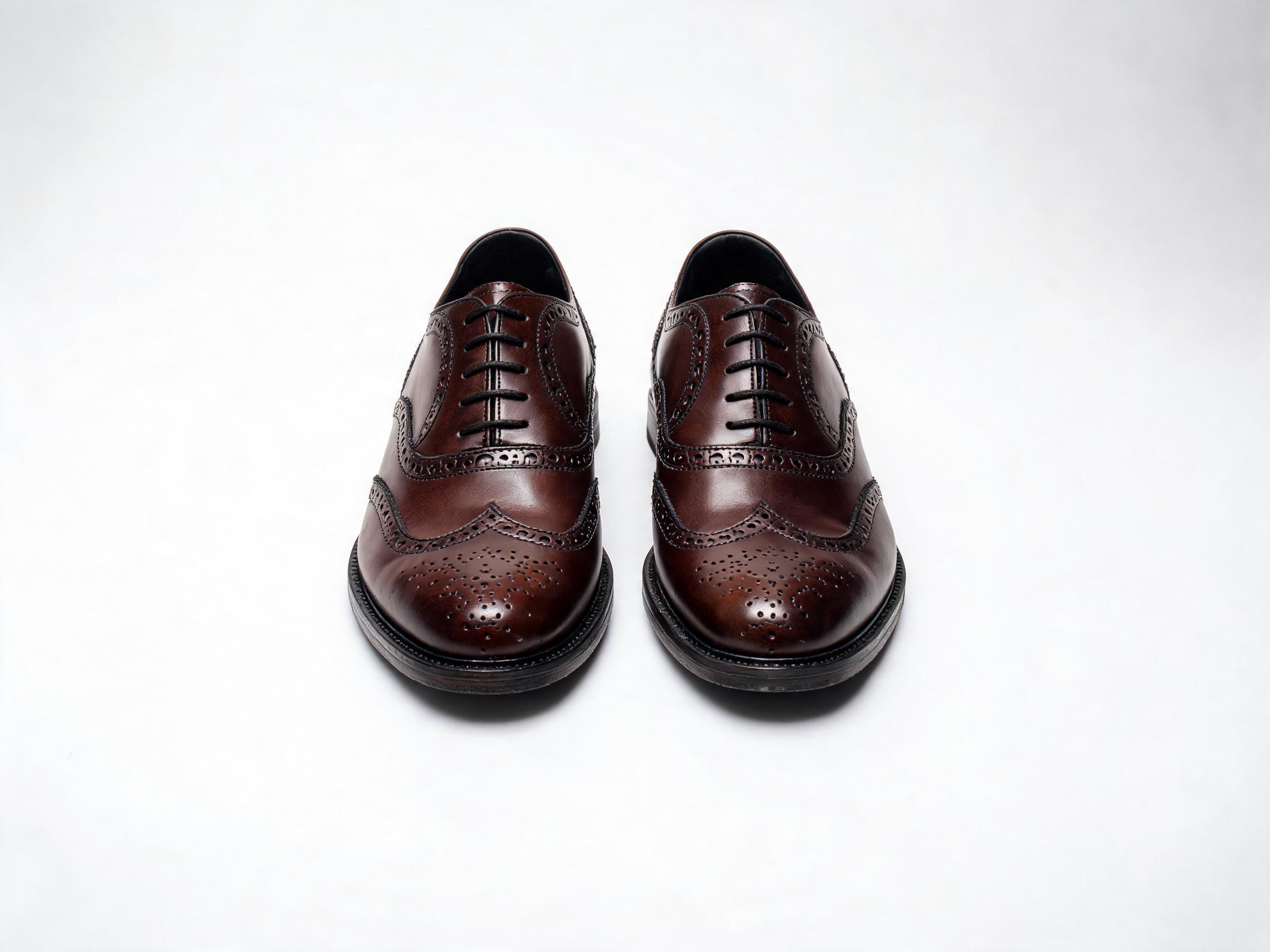
Once the last is settled, the upper material and construction come next. Oxfords are typically made from full-grain, corrected-grain, or other leather types depending on the target price point and finish. The buyer's decision here is about appearance consistency, feel, and how the leather takes the pattern details — brogue perforations, stitching, and edge finishing.
For the upper, confirm:
- Leather type and finish. Smooth black leather for a formal cap-toe, or a tan finish for a more casual look. Ask for the tannery reference or finish name so the bulk order matches the sample.
- Pattern details. A full brogue wingtip like the Dark Brown Full Brogue Shoes involves perforations and a wingtip cap — these details need to be consistent across the size run. Confirm the pattern is set before sampling.
- Lining and insole. These affect comfort and how the shoe breathes. Specify the lining material if your brand has a standard.
If your design uses a double monk strap instead of laces, the buckle and strap construction become part of the upper decision. The Tan Double Monk Strap Shoes are an example of how strap placement and buckle finish change the shoe's character while keeping the same basic upper approach.
Step 3: Sampling — What to Expect and What to Confirm
Sampling is where the specification becomes physical. The timeline depends on whether you are working from an existing design or a fully custom build.
| Sample type | Typical lead time | What it covers |
|---|---|---|
| Existing sample | 3–5 days | Factory's current design, useful for assessing construction and materials |
| Custom sample | 7–12 days | Your last, leather, pattern, and branding applied to a new build |
At the sampling stage, the buyer should decide:
- Confirmation of fit and appearance. Try the sample on the intended last and check the toe shape, brogue alignment, and overall proportion against your design brief.
- Material sign-off. Confirm the leather color, finish, and hand feel match the approved reference.
- Construction check. Review stitching density, edge finishing, and how the upper sits on the last.
Ask the factory what revisions are included in the sampling round and how they document changes between sample iterations. Clear sample notes reduce surprises later.
Step 4: Private Label — Logo, Branding, and Packaging
Private label is where the shoe becomes your product. The scope can range from a simple logo on the insole to full branding across the sock, heel, and packaging. As a capability, these options should be confirmed with the supplier early because they affect the sampling and production timeline.
Decide at this stage:
- Logo placement. Insole, heel, sock lining, or outsole — each has different tooling and cost implications. Confirm which placements the factory can execute.
- Branding materials. Tissue paper, shoe bags, boxes, and hangtags can all carry your brand. If you need custom packaging, confirm the structure and printing method.
- Labeling requirements. If your market requires specific labeling (origin, material, care), state this before the sample is made so it can be incorporated.
A useful question: can the factory show the private label options they currently offer, and what is the minimum branding scope they need to proceed?
Step 5: Bulk Production and QC Handoff
After sample approval, bulk production begins. Typical bulk lead time for oxford shoes is about 25–45 days, depending on material availability and order volume. During this period, quality control is staged at three points: incoming materials, inline production, and final inspection.
The QC checks cover:
- Forepart flexing — to check the shoe's flexibility and construction integrity.
- Color fastness — to confirm the leather finish holds.
- Bonding and heel-attachment tests — to verify the sole and heel are securely attached.
Third-party inspection is welcome, and a six-month quality warranty applies. For the buyer, the handoff steps are:
- Review and approve the pre-production sample.
- Confirm the inspection plan (in-house or third-party).
- Agree on trade terms — EXW, FOB, or CIF — and the shipping schedule.
- Check the final inspection report before shipment release.
FAQ
Can I use my own last for a custom oxford order?
Yes, last selection options are part of the service. If you have an existing last, share the specification. If not, the factory can work from your reference footwear to select or develop a suitable last.
How long does a custom oxford sample take?
Custom samples typically take about 7–12 days. Existing samples ship in 3–5 days. The timeline depends on the complexity of the upper and the availability of materials.
What private label options are available?
Logo, branding, and packaging customization are offered as capabilities. The exact scope — placement, materials, and minimum quantity — should be confirmed with the supplier based on your design.
Is third-party inspection allowed?
Yes, third-party inspection is welcome at the appropriate production stage. The factory also performs three-stage QC covering materials, inline, and final checks.
Next Step
If you are planning a custom oxford shoe program, the most useful next step is to gather your last specification, leather preference, branding scope, and target size range, then request a development consultation. This helps the factory confirm feasibility and timeline before sampling begins.