
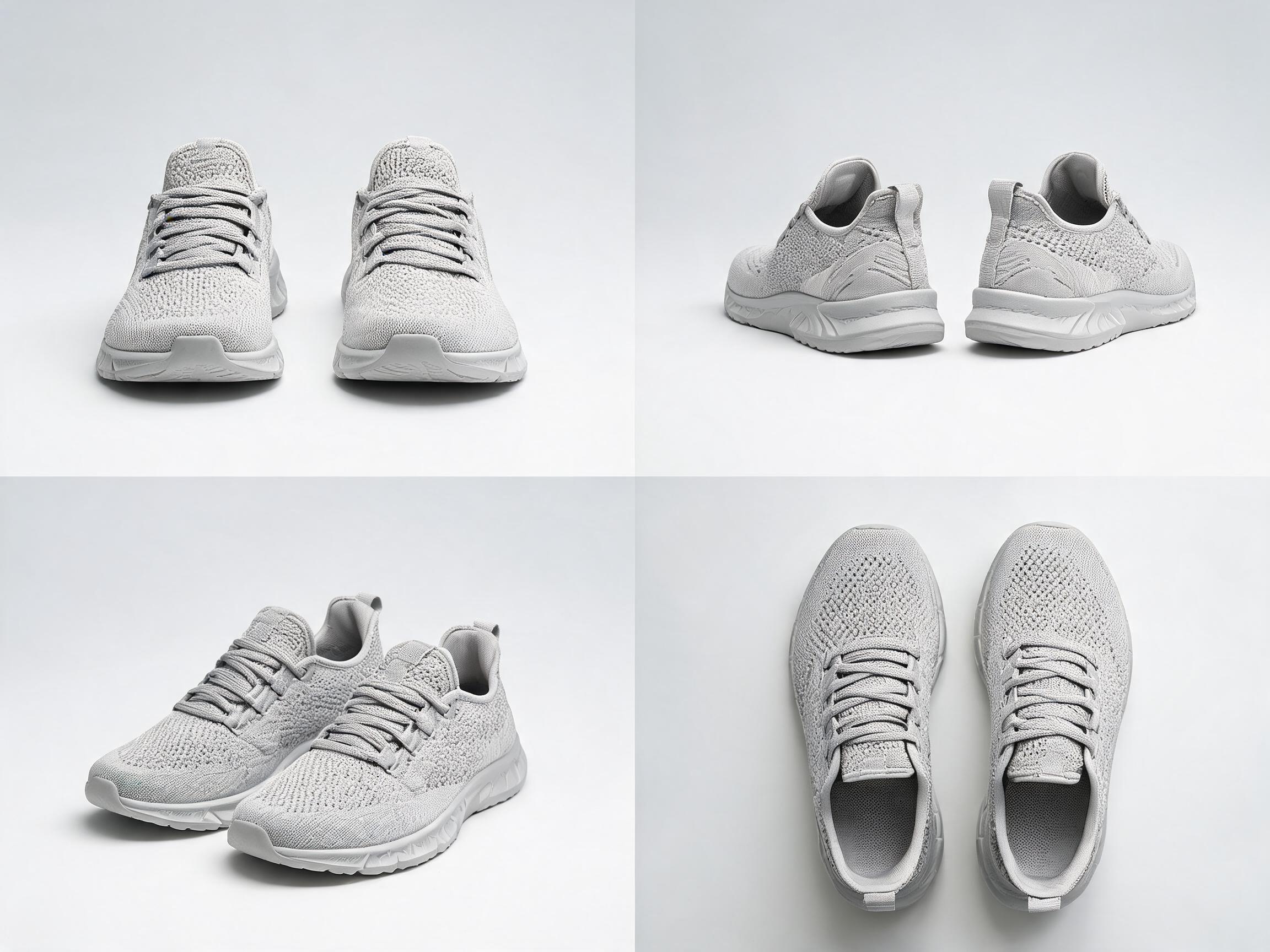
This article explains the customization process for wide-fit trainers with a China manufacturer, covering wide last development, width sizing systems, fit confirmation, and bulk production quality control. It provides practical guidance for B2B buyers sourcing custom wide-fit trainers.
For sourcing managers at footwear brands, retailers, and distributors, finding a manufacturer that can deliver true wide-fit trainers at scale is a common challenge. The difference between a standard fit and a genuine wide fit lies in the last—the foot form around which the shoe is built. Off-the-shelf lasts rarely accommodate broader feet without compromising stability or comfort. This article explains how to develop custom wide-fit trainers with a China manufacturer, from last design and width sizing to bulk production quality control. Aurevia Footwear Co., Ltd., a manufacturer-exporter specializing in genuine leather craftsmanship, offers OEM/ODM and private-label services to global B2B buyers, including those seeking custom wide-fit trainers. The process described here reflects general industry practices; specific parameters such as last dimensions, width increments, and order volumes should be confirmed with your chosen supplier.
Why Wide-Fit Trainers Require a Dedicated Last
A last is not simply a scaled-up version of a standard form. Width, instep height, toe box volume, and heel curvature interact. If you widen a standard last uniformly, the shoe may become loose in the heel or too shallow in the toe. A proper wide-fit last is engineered to add volume where needed—typically across the forefoot and midfoot—while maintaining heel grip and arch support. For B2B buyers, the last is the foundation of fit consistency across a production run. Without a well-developed last, even premium materials and skilled assembly cannot correct a poor fit.
When working with a China wide fit trainers manufacturer, you are not just ordering shoes; you are investing in a last that will define your product line. This makes the design phase critical. Expect to discuss foot scan data, target market foot shapes (e.g., European vs. North American width profiles), and performance requirements such as running, training, or casual wear.
Step 1: Wide Last Development
Developing a custom wide last typically involves several stages. The exact process varies by supplier, but the following sequence is common:
- Brief and foot data collection: Provide your target width specifications, reference samples, or foot scan data. Your supplier may request measurements from your existing best-selling wide-fit style.
- Last design and 3D modeling: The manufacturer creates a digital last model, adjusting width, girth, and toe box volume. You review and approve the 3D render or technical drawings.
- Last prototyping: A physical last is produced, often via CNC carving or 3D printing. This is the form that will be used to build sample shoes.
- Fit trials and iteration: Sample shoes are made on the prototype last. Wear testing—ideally with real users representing your target width—reveals pressure points, slippage, or insufficient volume. Adjustments are made to the last, and the cycle repeats until fit is approved.
- Final last approval: Once fit is confirmed, the last is finalized and becomes the reference for all subsequent production. Multiple last sizes (e.g., wide and extra-wide) may be developed in parallel.
This phase can take several weeks to a few months, depending on the number of iterations. It is the most important investment you will make in your wide-fit line. Rushing it leads to costly problems in bulk production.
Key takeaway: The last is the DNA of your wide-fit trainer. Approve it only after real-world wear testing, not just visual inspection.
Step 2: Establishing a Width Sizing System
Wide fit is not a single width; it is a range. Your sizing system should define how widths increment and how they correspond to length sizes. Common approaches include:
- Letter-based widths: For example, D (standard), 2E (wide), 4E (extra-wide). This is familiar to North American buyers.
- Alphanumeric widths: Some brands use a numeric width code (e.g., G, H) common in European systems.
- Custom width grading: You may define your own width increments based on your customer data. For instance, each width step might add a specific girth measurement at the ball of the foot.
When ordering custom wide fit trainers from China, clarify with your manufacturer how they grade widths across sizes. A common pitfall is that width increments are not consistent from size to size, leading to inconsistent fit. Ask for a width grading table that shows girth measurements at key points (ball, instep, heel) for each size-width combination. This table becomes part of your technical specification and a QC reference.
Also consider your target market. European feet may require different width distribution than North American feet. If you serve multiple regions, you may need regional last variations. Discuss this early with your supplier to avoid rework later.
Step 3: Fit Confirmation and Sample Approval
Before bulk production, you must confirm fit through a structured sampling process. This typically includes:
- Prototype samples: One or two pairs per size-width to check basic fit and construction.
- Fit trials with target users: Distribute samples to people who represent your target customer's foot profile. Collect feedback on comfort, pressure points, and sizing accuracy.
- Revision rounds: Based on feedback, the last and upper patterns may be adjusted. Each revision requires new samples.
- Golden sample approval: Once fit is satisfactory, you approve a golden sample—the exact shoe that bulk production must match. The golden sample is signed and kept by both parties.
Document everything: measurements, fit comments, and photos. This documentation protects both you and your supplier if disputes arise later. Remember that sample approval does not guarantee bulk fit; you must also control production consistency.
Step 4: Bulk Production Quality Control for Wide-Fit Lasts
Bulk QC for wide-fit trainers focuses on two areas: last consistency and assembly accuracy. Even a perfect last can produce inconsistent shoes if production drifts.
4.1 Last and Mold Control
Ensure the manufacturer uses the approved last for every production run. Lasts can wear or become damaged; ask how they store and maintain lasts. For large orders, consider requesting a last verification at the start of production—measure the last against the approved specifications.
4.2 In-Process Inspection
Wide-fit shoes are more sensitive to assembly errors because there is less margin for error in the upper. Key checkpoints include:
- Upper cutting and stitching: Check that pattern pieces are cut to the correct size and that stitching does not reduce volume in the forefoot.
- Lasting: Verify that the upper is pulled over the last without distortion. Improper lasting can narrow the shoe or create wrinkles.
- Bottoming: Ensure the sole is attached symmetrically and does not compress the footbed.
4.3 Final Inspection and Testing
Before shipment, conduct a final random inspection. For wide-fit trainers, pay special attention to:
- Dimensional checks: Measure the internal length and width (girth) of finished shoes against the approved specifications. Use a tape measure or last stick.
- Fit consistency: Compare shoes from different production lines or batches to ensure they feel the same.
- Material and workmanship: Inspect for defects in leather, mesh, or knit (depending on your design), and check stitching, gluing, and finishing.
- Packaging and labeling: Verify that size and width labeling is correct and consistent.
The inspection sampling plan—including the acceptable quality limits for major and minor defects—should be agreed upon in the contract with your supplier, based on your own quality standards and product category.
Working with Aurevia Footwear Co., Ltd.
Aurevia Footwear Co., Ltd. is a high-end footwear and fashion accessories manufacturer-exporter specializing in genuine leather craftsmanship. We offer OEM/ODM and private-label customization to B2B buyers in Europe, North America, and the Middle East. Our product range includes a grey knit running trainers line, and we can develop custom wide-fit trainers according to your last specifications. While we do not publish specific MOQ or lead times in this article (as these vary by project), we invite you to contact us with your requirements. We will confirm all technical details, including last development timelines, width grading, and QC protocols, during the quoting process.
Frequently Asked Questions
A: The timeline depends on the complexity of the fit requirements and the number of sample iterations. Simple adjustments may be resolved in a few weeks, while a full development cycle can run considerably longer. Confirm the schedule with your supplier.
A: If your existing last is already designed for wide fit, it may be possible, but the manufacturer will need to verify it meets their production standards. If not, a new last must be developed. Always request a fit sample before bulk production.
A: MOQ varies by manufacturer, design complexity, and material availability. Discuss your needs with your supplier to get an accurate MOQ for your project.
A: Approve a golden sample, provide a detailed width grading table, and conduct in-process and final inspections. Require the manufacturer to use the approved last and to measure finished shoes against specifications.
Next Steps
Developing custom wide-fit trainers with a China manufacturer is a collaborative process that starts with a well-designed last and ends with rigorous bulk QC. If you are sourcing for a brand or retail chain, prepare your fit requirements, target market data, and quality expectations before approaching suppliers. Aurevia Footwear Co., Ltd. welcomes inquiries from B2B buyers looking for OEM/ODM wide-fit trainer production. Contact us to discuss your project and request a quotation.