
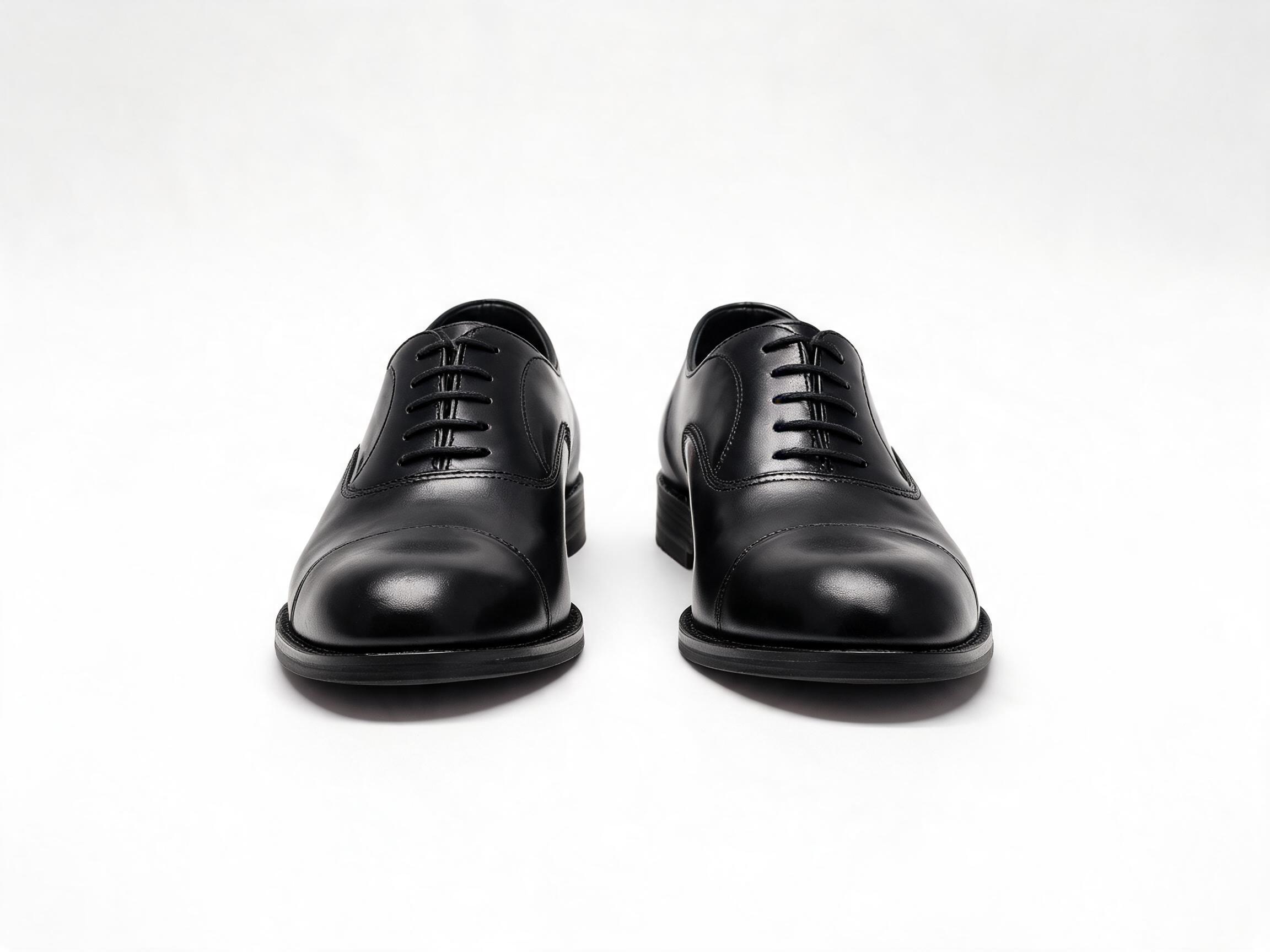
A procurement checklist for wholesale buyers of Oxford shoes: how to specify leather grade, verify closed-lacing construction, lock down lasts and size runs, and confirm pre-order details before the PO is placed. Built around concrete sampling and pre-shipment checkpoints, not style history.
Oxford shoes look simple in a catalog photo: one clean vamp, closed lacing, no decoration that hides a bad seam. That simplicity is exactly why the specification has to be nailed down before production. There is nowhere to hide a loose last, a split leather panel or an uneven lace gap. This checklist walks a wholesale buyer through the four decisions that control most of the risk in an oxford shoes wholesale order: leather grade, lasting and size run, lacing construction, and the pre-order confirmation that turns a sample into a repeatable shipment.
Key takeaways
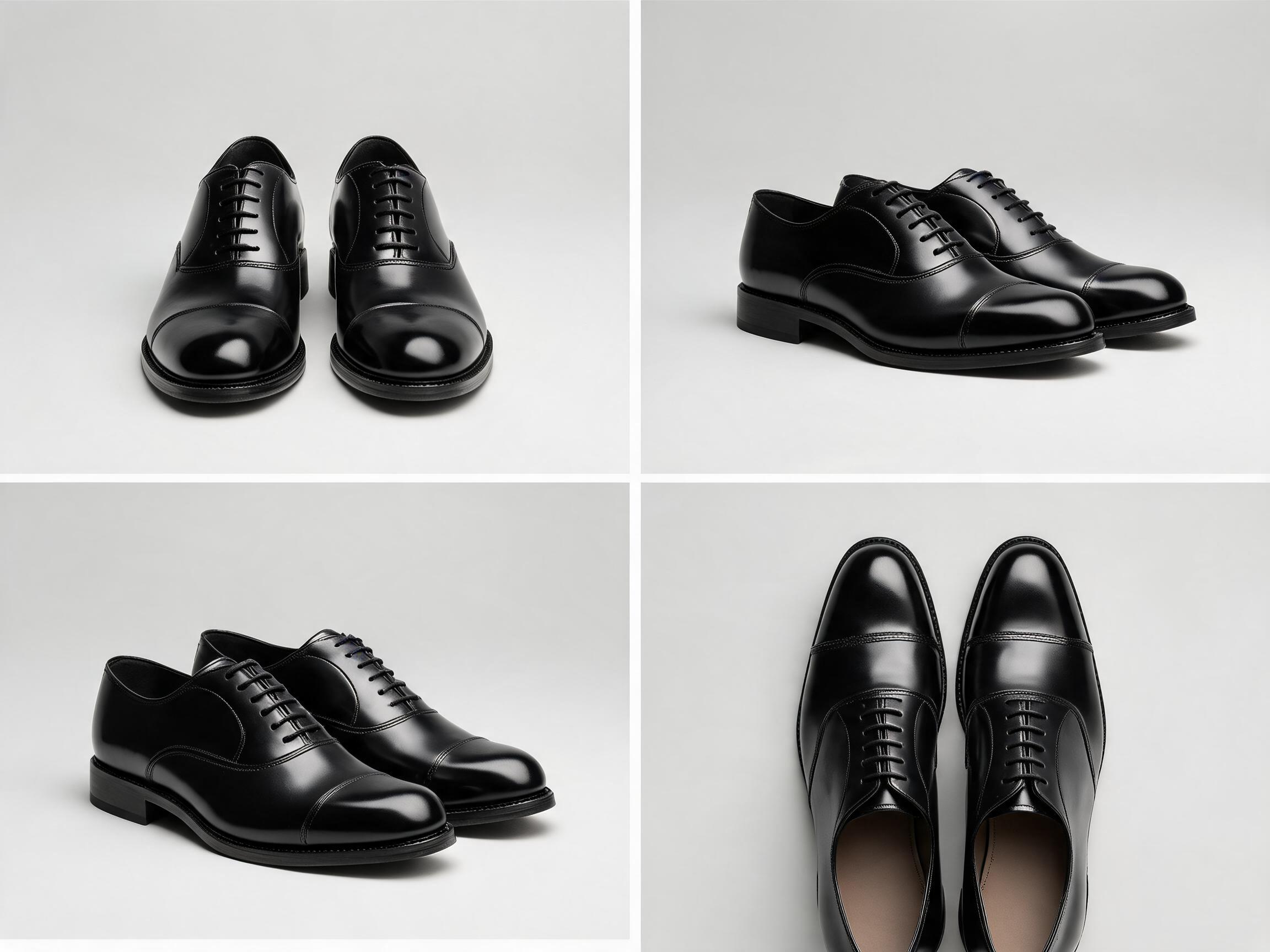
- Write the leather grade into the PO, not the email thread. Full-grain and corrected-grain behave differently in a polished black finish.
- Judge lasting on the forefoot and heel seat, and check the size run at both ends (EU 39 and EU 45) rather than the middle.
- Closed lacing means the eyelet facings sit under the vamp. Check the lace gap and facing alignment on the actual sample.
- Confirm MOQ, lead time, color count and shipment terms before deposit. Spec sheet figures drift between seasons.
1. Leather grade: what to write on the PO
On an Oxford, the leather carries the whole look. A polished black cap-toe has no brogueing or suede panel to distract from grain, scars or an uneven finish, so the material is the first thing a retail buyer will inspect.
Our black cap-toe Oxford uses a polished full-grain leather upper. When you place an oxford shoes wholesale order, specify the leather as a written line item:
- Leather type: full-grain, as confirmed for the style.
- Finish: polished black, with a reference panel or approved swatch attached to the PO.
- Panel matching: state whether all panels (vamp, quarters, heel counter) must come from the same tannery lot to keep tone consistent across a run.
At the sampling stage, ask for the leather swatch or the cut sample panel along with the finished sample. It is far easier to compare a swatch against the sample in your hand than to argue about tone from a photo under studio light. Keep the approved swatch as the reference for final inspection.
2. Lasting: shape, size run and the two ends of the run
The last is the wooden or plastic form the upper is stretched over. It sets the toe spring, heel fit and waistline. Two Oxfords made on the same last from the same pattern should look and fit the same across a size run. Problems surface when a mid-size is used as the reference and the extremes are never checked.
What to check on the sample
- Forefoot flex: flex the shoe where the toe joints bend. The upper should crease without cracking the polish or separating from the sole.
- Heel seat: the counter should sit square with the sole edge and the lining should not pucker.
- Toe shape: confirm the cap-toe line is straight and symmetric on both shoes of the pair.
- Size range: our black cap-toe style runs EU 39–45. Ask for a size 39 and a size 45 wearing pair, not just your sample size, so you can see how the last behaves at both ends.
Our in-house quality process includes forefoot flex testing as part of final inspection, which gives you a second data point beyond your own handling of the sample.
3. Lacing: the closed-lacing checkpoint
Closed lacing is what separates an Oxford from an open-laced derby, and it is also a construction checkpoint. The vamp sits over the quarters, so the eyelet facings are almost entirely hidden. That means the visible quality signals are subtle:
- Lace gap: with the shoe laced closed, the two facings should sit close and even. A wide or uneven gap at the top of the throat usually traces back to a lasting or pattern issue.
- Facing alignment: eyelets should sit opposite each other on the same line. Look at the sample from directly above, not at an angle.
- Stitching: the seam where the vamp meets the quarters should be even along its length, with no skipped or doubled stitches.
- Lace and eyelet spec: state the lace material, color and length, and the eyelet finish, so a repeat order matches the first.
On a Black Cap-Toe Oxford, the clean upper does you a favor here: any misalignment is visible immediately. Ask for close-up photos of the throat area from two angles as part of sample approval.
4. Pre-order confirmation: the numbers to lock down
Once the sample is approved, the remaining risk is commercial. Confirm the following in writing before you pay a deposit, and attach the confirmations to the PO.
| Item | Spec sheet figure | What to confirm before deposit |
|---|---|---|
| MOQ | 100 pairs per color | Per-color minimum for each colorway in your line |
| Lead time | 30–40 days | Production start date, not PO date |
| Size run | EU 39–45 | Size breakdown per color and per carton |
| Samples | 3–5 days (stock); 7–12 days (customized) | Which option applies to your spec change |
| Inspection | Three-stage QC | Access for your own third-party inspection |
| Warranty | 6 months | What is covered and the claim process |
Confirm current MOQ and lead time with the sales team before ordering.
The pre-order confirmation checklist
- Approved sample reference: sample number, date and the spec sheet version it corresponds to.
- Color and material: swatch approved, per-color MOQ acknowledged.
- Size and packing: per-size quantity, carton ratio, inner packing and carton marking.
- Delivery: Incoterms, port of destination, and the production start date behind the lead time.
- Inspection: who inspects, when, and what happens if defects are found.
- After-sales: warranty terms and the response time for claims. Our policy is a 48-hour response window.
5. Sampling and pre-shipment: where the checkpoints happen
Most quality decisions on an Oxford order are made before the bulk goods exist. Split your inspection into two moments.
At sampling
- Compare leather swatch to sample and record the decision.
- Flex the forefoot and inspect creasing and sole attachment.
- Check lace gap and eyelet alignment from above.
- Request size 39 and size 45 pairs to test the ends of the run.
- Photograph and date the approved sample and keep it with your PO file.
At pre-shipment
- Check a sample across the size run against the approved sample.
- Verify color consistency between cartons, not just within one carton.
- Confirm the packing list matches the PO by size and color.
- Ask for the inspection report and the forefoot flex, colorfastness and sole bond test results from final inspection.
Our final inspection includes forefoot flex testing, colorfastness and sole bond testing. Ask to see the relevant results for your order before release, and keep them with the approved sample.
Why these four checkpoints come before price
An Oxford order has few components, so each one has a large effect. If the leather grade changes between sample and bulk, the polish will not match the reference. If the last is not consistent across the size run, retail returns follow. If the lace gap is wrong, every pair in the carton says so. And if MOQ, lead time and packing are not written down, the commercial terms drift after deposit.
We have been producing and exporting from Quanzhou, China since 2011, with a 260-person team serving buyers in Europe, North America and the Middle East, and we offer OEM/ODM service. Sample shoes ship in 3–5 days for stock specs, and customized samples in 7–12 days. When you are ready to review the style, start with the Black Cap-Toe Oxford Shoes page and build your sample request from the specification there.
FAQ
- Can I order different colors in one shipment?
- Yes, but the MOQ is 100 pairs per color, so each colorway needs to meet that minimum. Confirm current MOQ and lead time with the sales team before ordering.
- What is the difference between a stock sample and a customized sample?
- Stock specs ship in 3–5 days. If you need changes to the leather, color, sole or lacing spec, allow 7–12 days for a customized sample.
- Can I use my own inspection company?
- Discuss the access and timing with the sales team before production starts. Our own final inspection includes forefoot flex testing, colorfastness and sole bond testing, and the results can be shared with your file.