
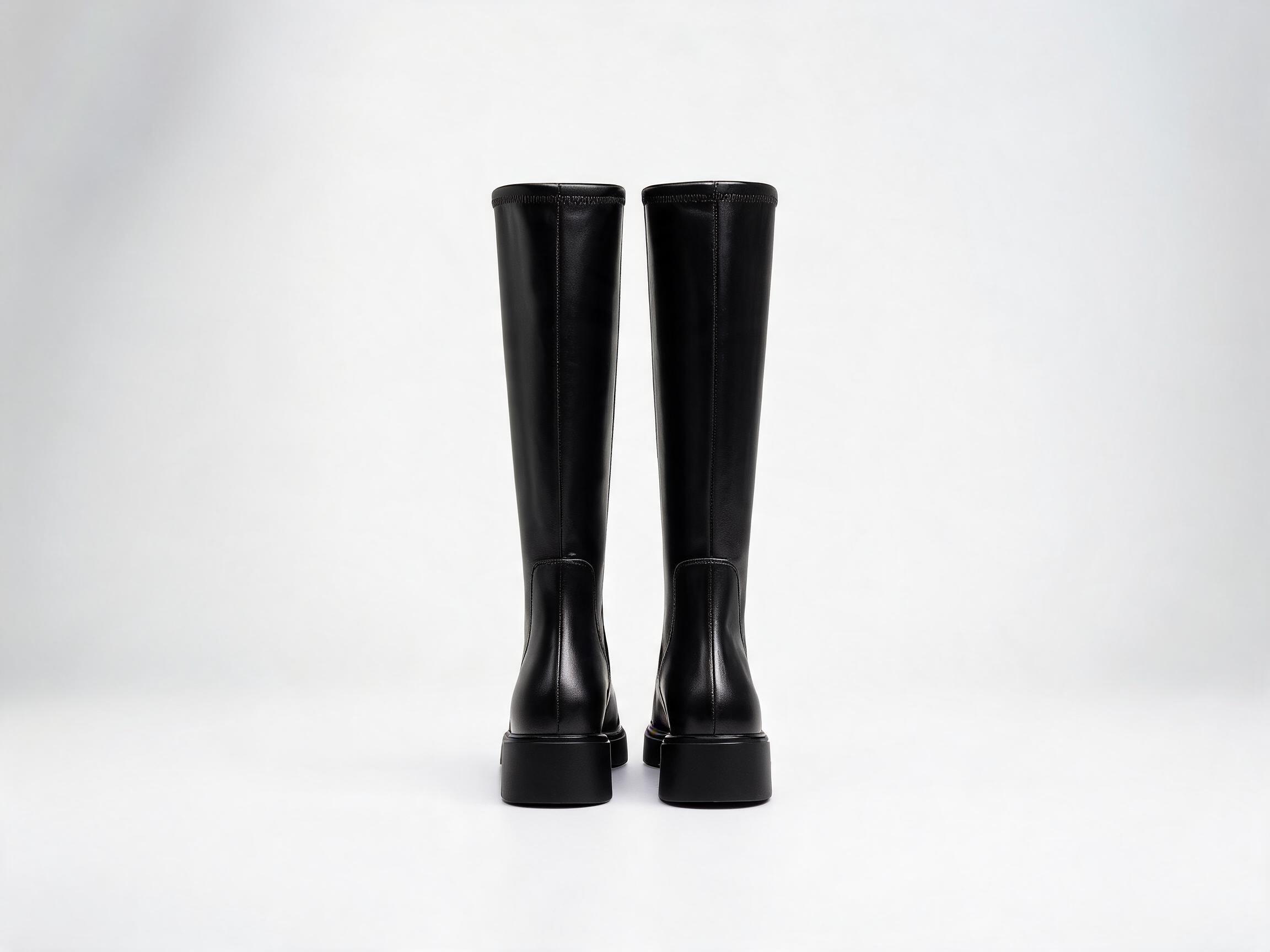
A buyer's guide to developing private label women's boots—covering last and shaft development, calf fit, boot-specific QC, and the OEM path from reference to bulk. With practical details on sampling timelines and customization options from Aurevia Footwear Co., Ltd., a B2B manufacturer with in-house design and pattern teams.
Developing a private label boot program differs from sourcing low-cut footwear. Boots bring shaft height, calf fit and zipper placement into the decision set — variables that decide whether a sample matches the intended fit and whether bulk production holds that fit across the run. Aurevia Footwear Co., Ltd. is a B2B manufacturer and exporter founded in 2011 in Quanzhou, China, building women's boots in full-grain leather on dedicated boot lines, with in-house design and pattern teams and OEM/ODM support for private label programs. This article outlines the boot-specific development path from reference to bulk: last and shaft development, calf fit, boot-specific quality control, and the private-label workflow.
Key takeaways:
- Boots are developed against the buyer's reference; shafts are shaped on a form to keep their line from sample to bulk.
- Two measurements drive boot fit: shaft height and calf circumference at the fullest point of the calf, both graded against the buyer's own size chart.
- Calf-width options and shaft-height adjustments can be arranged for bulk orders after sample confirmation.
- Boot QC adds zipper function and sole adhesion checks on random pairs per batch, on top of three-stage inspection, forefoot flex and colour fastness testing.
- Custom sampling typically takes 7–12 days; existing samples ship in 3–5 days.
Last and Shaft Development from Buyer References
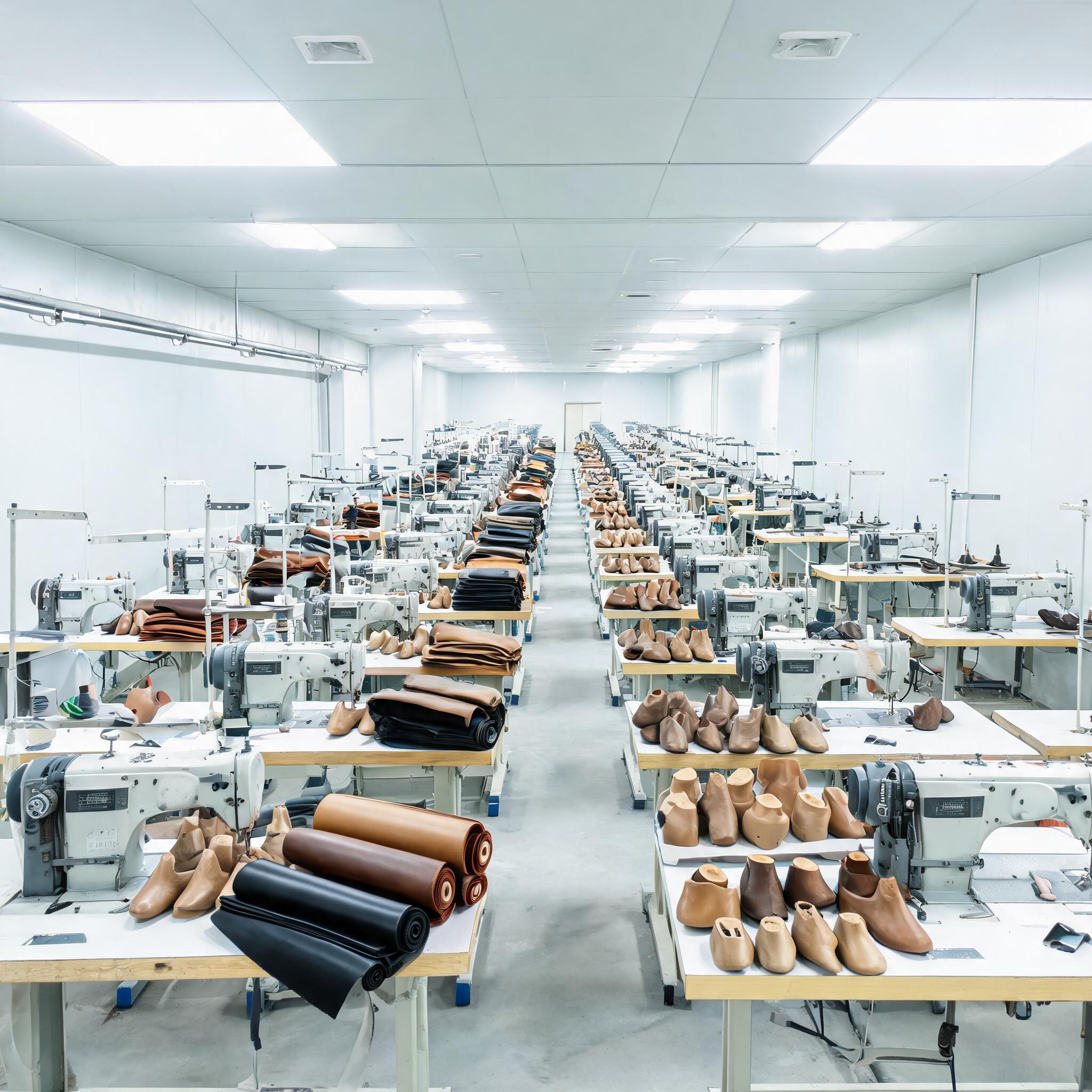
Boot development starts with the buyer's reference — a sketch, a tech pack, or a sample shoe. The in-house design and pattern teams translate these into production-ready samples, typically within 7–12 days. For boots, the critical outputs are the last and the shaft pattern: the shaft is shaped on a form to keep its line, so the silhouette stays consistent from sample to bulk. Upper panels are cut from matched hides so that left and right share grain and shade — this matters more on boots than on low shoes, because the shaft is a large, visible surface.
Construction choices are settled early because they shape the last, the pattern and the sampling timeline. Current boot styles use cemented construction, full inside or side zipper closures, and full-grain leather uppers; lining can be specified for the season, with textile or warm fur lining available on tall styles and a soft warm lining on ankle heights.
Calf Fit and Upper Fit
Calf fit is where boot development most often diverges from the buyer's expectation. A sample may fit the fit model, yet the target market may need different calf widths or shaft heights. Two measurements should be specified before sampling: shaft height and calf circumference, taken at the fullest point of the calf. Supplying both against your own size chart matters because the factory can produce against a buyer's own size grid and grade the pattern accordingly — the grading then follows your chart rather than a factory default, and your size chart remains the governing document for the run.
Once the sample is confirmed, calf-width options and shaft-height adjustments can be arranged for the bulk order. Treat the confirmed sample as the fit reference and lock these adjustments at that stage: changes raised after production starts leave no room to regrade the pattern.
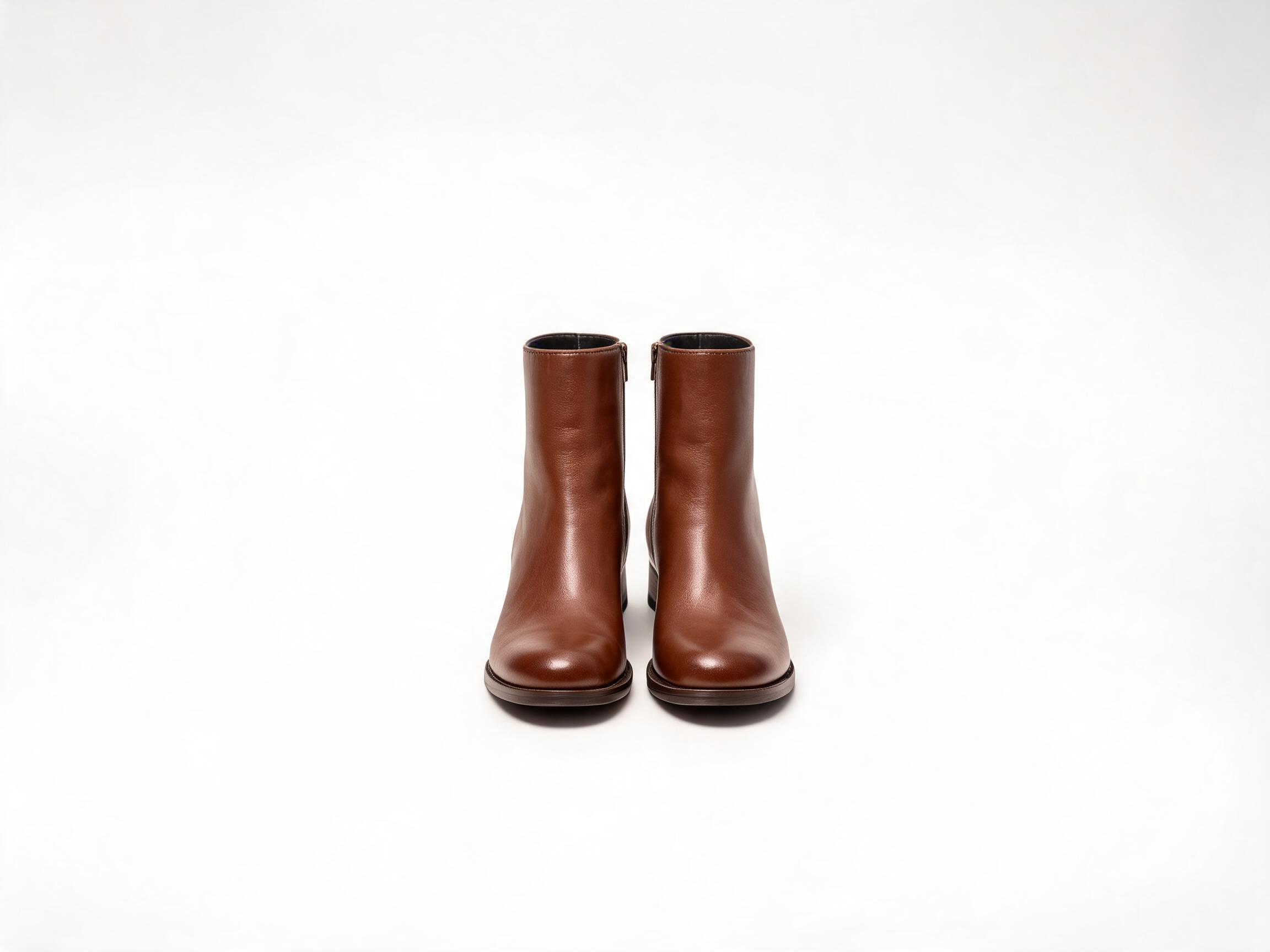
For concrete reference points, Black Leather Knee-High Boots have a shaft of approximately 38 cm, a full inside zipper and a textile or warm fur lining option, while Brown Leather Ankle Boots have a shaft of approximately 12 cm, a side zipper and a soft warm lining. Colour is matched to a Pantone reference per colourway — the knee-high is offered in black, brown or custom colours, and the ankle boot in brown, black, tan or custom colours — so the same development flow covers both a tall winter style and a shorter transitional one.
Boot-Specific Bulk QC
Quality control for boots extends beyond standard shoe inspection. Aurevia applies a three-stage inspection — incoming material, in-line construction, and final finished-shoe — and, on random pairs per batch, adds zipper function and sole adhesion checks together with forefoot flex testing and colour fastness. These target the two most common failure points in boot wear: zipper performance and sole integrity.
Buyers who need documented evidence can request inspection reports per order, and third-party inspection is welcome — arrange it after final packing but before container loading. Inspection reports and third-party attendance give you an independent record of the agreed specifications rather than a verbal assurance.
The Private-Label Workflow: From Reference to Bulk
The workflow follows the path already described, in sequence: brief the style with your reference and Pantone colourways; approve the fit sample against your market's size chart, raising shaft height and calf-width adjustments at that approval; confirm OEM branding on the insole, box and hangtag together with the colourway, because packaging is produced against the approved reference; then release bulk production with the agreed QC requirements in the purchase order. Sampling timelines are the planning anchor: customised samples are typically ready in 7–12 days from the reference, and existing samples ship in 3–5 days when you need to evaluate styles before committing to development. The company exports to Europe, North America and the Middle East, with a 260-person team supporting genuine leather craftsmanship across its women's boot lines.
FAQ
How long does sampling take for a custom boot?
Custom sampling typically takes 7–12 days from receipt of the reference and specifications. Existing samples can be shipped in 3–5 days.
Can calf width be adjusted for bulk orders?
Yes. Calf-width options and shaft-height adjustments can be arranged for bulk orders after the sample is confirmed. Specify shaft height and calf circumference at the fullest point of the calf, and provide your own size chart — the pattern can be graded against it before mass production.
What boot-specific checks are performed during QC?
In addition to the three-stage inspection (incoming material, in-line construction, final finished-shoe), boots are checked for zipper function and sole adhesion on random pairs per batch, together with forefoot flex testing and colour fastness. Inspection reports are shared on request.
Can we use our own branding on the boots and packaging?
Yes. OEM branding is available on the insole, box, and hangtag, and Pantone colour matching is offered for leather and lining finishes.
For buyers developing a private label boot program, the next step is to share your reference, Pantone colourways and target-market size chart — including shaft height and calf measurements — with the supplier. Aurevia's in-house design and pattern teams can then advise on last, shaft and fit development before the sample round.