
A pre-order confirmation checklist for US-bound wholesale fashion footwear programs. Before you commit to a bulk order, settle these six areas with your factory: styling and category mix, sizing and fit, sampling expectations, QC checkpoints, shipping terms, and the commercial details that are easy to overlook.
Ordering wholesale fashion shoes for the US market is less about picking a style and more about locking down the details that determine whether the program ships on time and sells through. US retail buyers, importers and private-label brands work with factories that can adjust construction, materials, sizing and branding — but only if those adjustments are confirmed before bulk production starts. This checklist covers the six areas to settle with your manufacturing partner before you place the order.
- Confirm the category mix and styling details (heel height, leather color, trims) against your US retail plan.
- Agree on a size chart and grading before production — do not assume US size conversions match your fit model.
- Use the sampling stage to test changes; custom samples typically take about 7–12 days after details are confirmed.
- Put QC checkpoints in writing: three-stage inspection, flex and color-fastness tests, and third-party inspection access.
- Confirm whether EXW, FOB or CIF applies to your shipment before you finalize costs.
1. Styling and Category Mix
US fashion footwear programs usually need a range that covers office, occasion and casual wear. Before ordering, confirm with the factory which styles in your line are production-ready and which need development. A China-based OEM/ODM partner like Aurevia Footwear Co., Ltd. can adjust heel height, match leather colors to a Pantone reference, change trims and add insole branding — but each change affects sampling time and cost, so define the mix early.
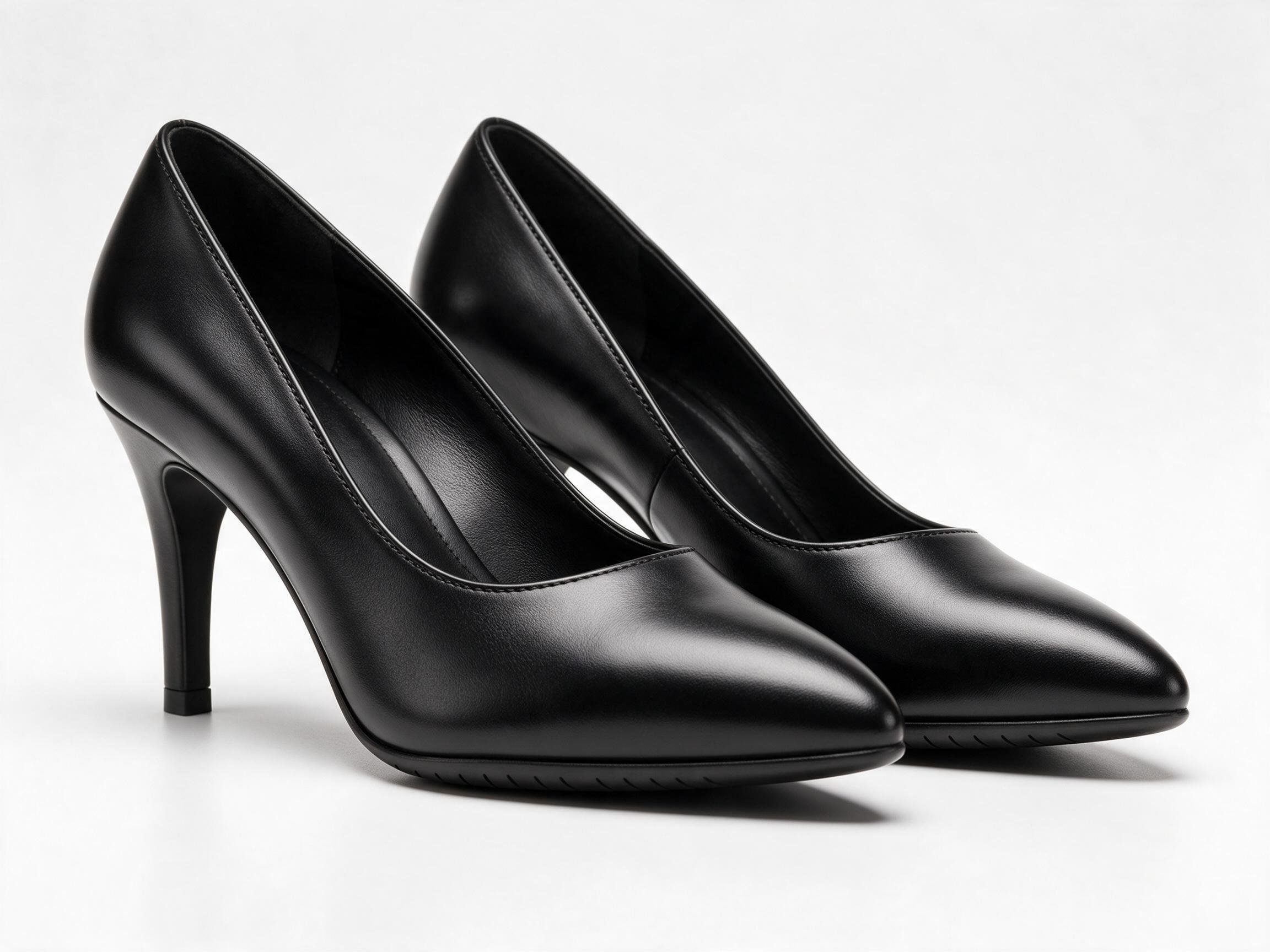
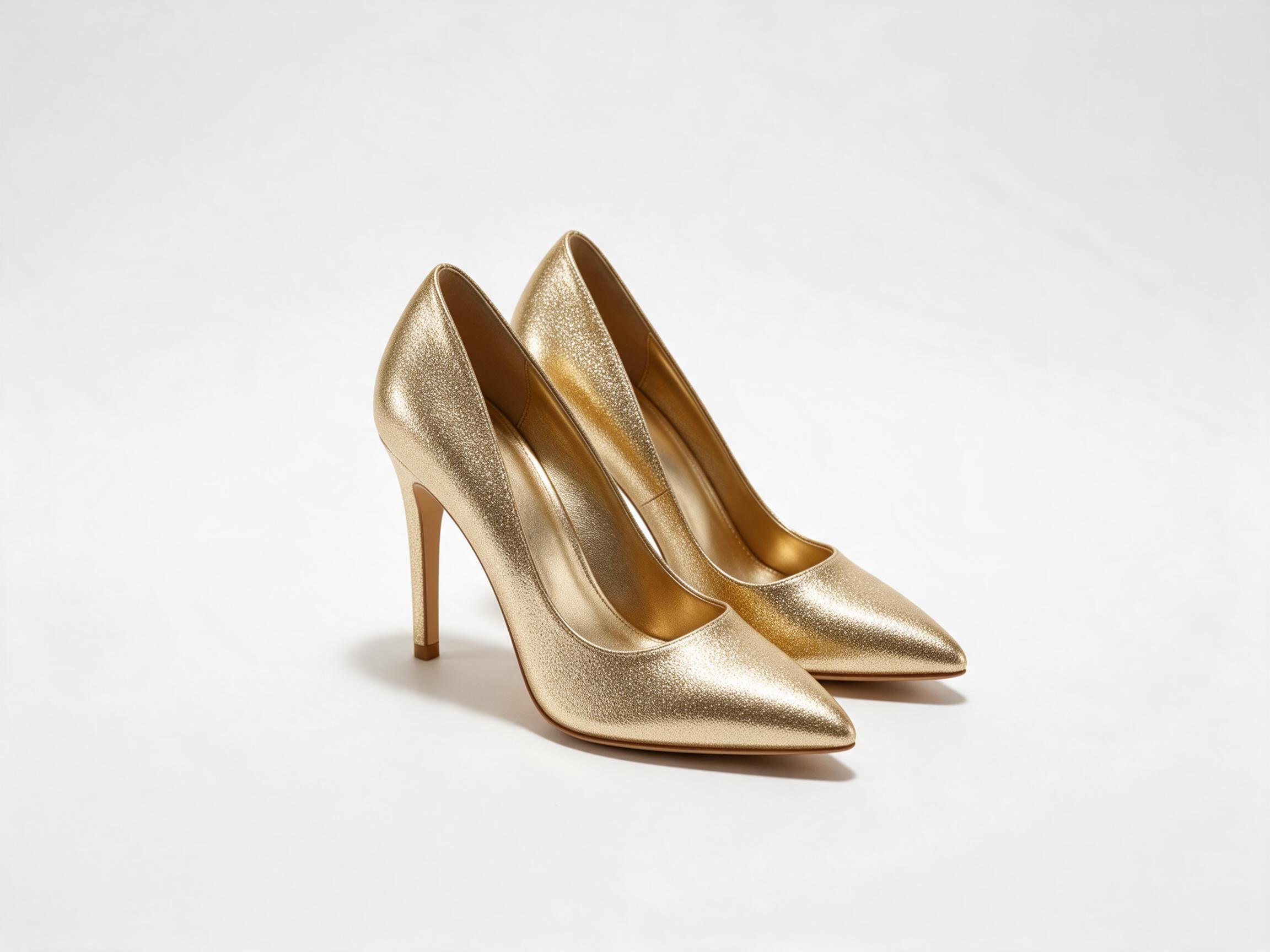
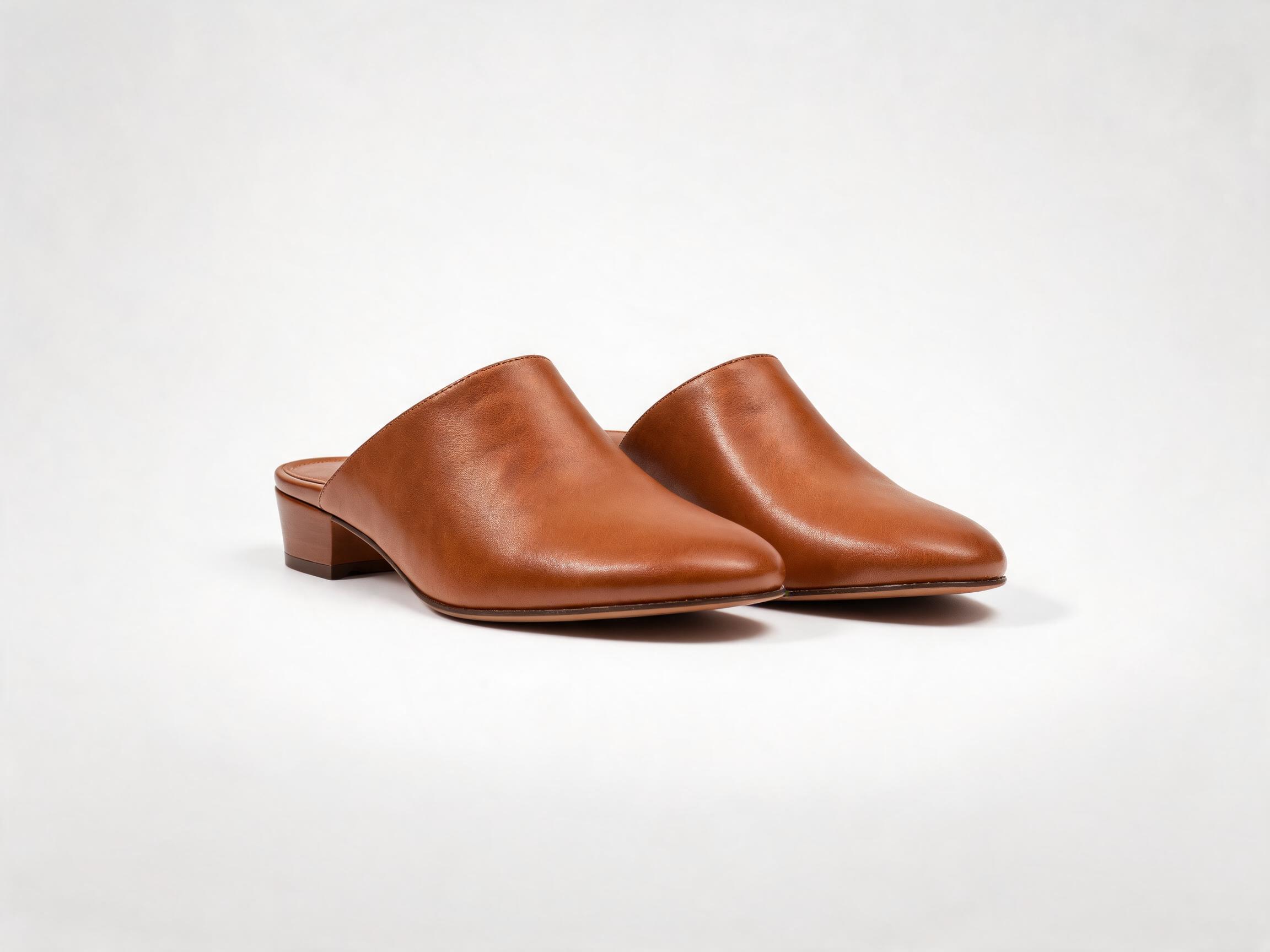
For example, a classic pointed-toe pump with a slim 7 cm heel and reinforced core is a staple for office and formal wear. The Black Leather Classic Pumps use cemented construction and come in EU sizes 34–41. For occasion wear, a metallic finish pointed-toe evening heel with a 9 cm heel, such as the Gold Metallic Evening Heels, serves a different retail tier. Casual-office profiles like the Cognac Leather Mule Shoes with an open heel and lower heel round out a range. Confirm with your factory which of these constructions and finishes are available for your target launch window.
2. Sizing and Fit
US size conversions are not universal. A factory may work in EU sizes (for example, EU 34–41 for women’s styles), and the US equivalent depends on the last and grading. Before ordering, request the factory’s size chart and confirm how sizes are graded across the run. Ask whether the factory can provide US size conversions on request and whether any sizing adjustments are feasible for your fit model.
Fit notes matter: the Black Leather Classic Pumps, for instance, are cut for a standard width, and wider feet may prefer a half size up. Confirm such notes with your supplier and decide whether to communicate them in your retail listings. Do not assume that a sample in one size represents the fit of the full size range — confirm grading before production.
3. Sampling Expectations
Sampling is where you validate styling, materials and fit. Existing samples can ship within 3–5 days, which helps you evaluate current styles quickly. Customized samples typically take about 7–12 days after details are confirmed. Use this stage to test heel height changes, leather color matching, trims and branding elements such as insole logos, logo boxes and hangtags.
Confirm what changes are feasible at sample stage and what they cost. Not every adjustment is possible without new tooling or materials, so ask specifically about the modifications on your list. Approve the sample in writing before bulk production begins.
4. Quality Control Checkpoints
Agree on QC checkpoints in writing before production. A three-stage inspection process — incoming material checks, in-line construction checks and final finished-shoe inspection — gives you defined points to review. Ask whether the factory performs forefoot flex testing, color-fastness checks and heel-attachment checks on random pairs, and request inspection reports if you need them for your records.
Third-party inspection should be welcome. Confirm access and timing so your inspector can be present at the right stages. Aurevia Footwear also offers a 6-month quality warranty covering manufacturing defects, with an after-sales team that responds within 48 hours. Clarify the warranty terms and the claims process with your supplier.
5. Shipping and Trade Terms
Trade terms affect your landed cost and risk. Confirm whether the supplier quotes EXW, FOB or CIF and which applies to your order. Each term shifts responsibility for freight, insurance and customs. Ask for the terms in writing and make sure they match your freight forwarder’s expectations.
Also confirm the minimum order quantity and production lead time for your target styles with the supplier before ordering — these vary by style and material. Do not rely on general figures; get them confirmed for your specific program.
6. Pre-Order Checklist
| Area | What to confirm |
|---|---|
| Styling and mix | Category mix, heel height, leather colors, trims, branding details |
| Sizing and fit | Size chart, US conversions, grading, fit notes for wide feet |
| Sampling | Sample lead times (existing vs. custom), feasible changes, approval process |
| QC | Three-stage inspection, test methods, inspection reports, third-party access |
| Shipping | Trade term (EXW/FOB/CIF), MOQ, production lead time, warranty terms |
FAQ
Ask your supplier. Many factories work in EU sizes; US conversions depend on the last and grading, so request the size chart and confirm conversions for your fit model.
Customized samples typically take about 7–12 days after details are confirmed. Existing samples can ship within 3–5 days.
Confirm a three-stage inspection process (incoming materials, in-line construction, final inspection) with tests such as forefoot flex, color-fastness and heel attachment on random pairs. Third-party inspection should be welcome.
These vary by style and material. Confirm the minimum order quantity and production lead time for your target styles with the supplier before ordering.
Ordering wholesale fashion shoes for the US market starts with these confirmations. Once styling, sizing, sampling, QC and shipping terms are settled, you can move to bulk production with a clear understanding of what you are getting and when.