
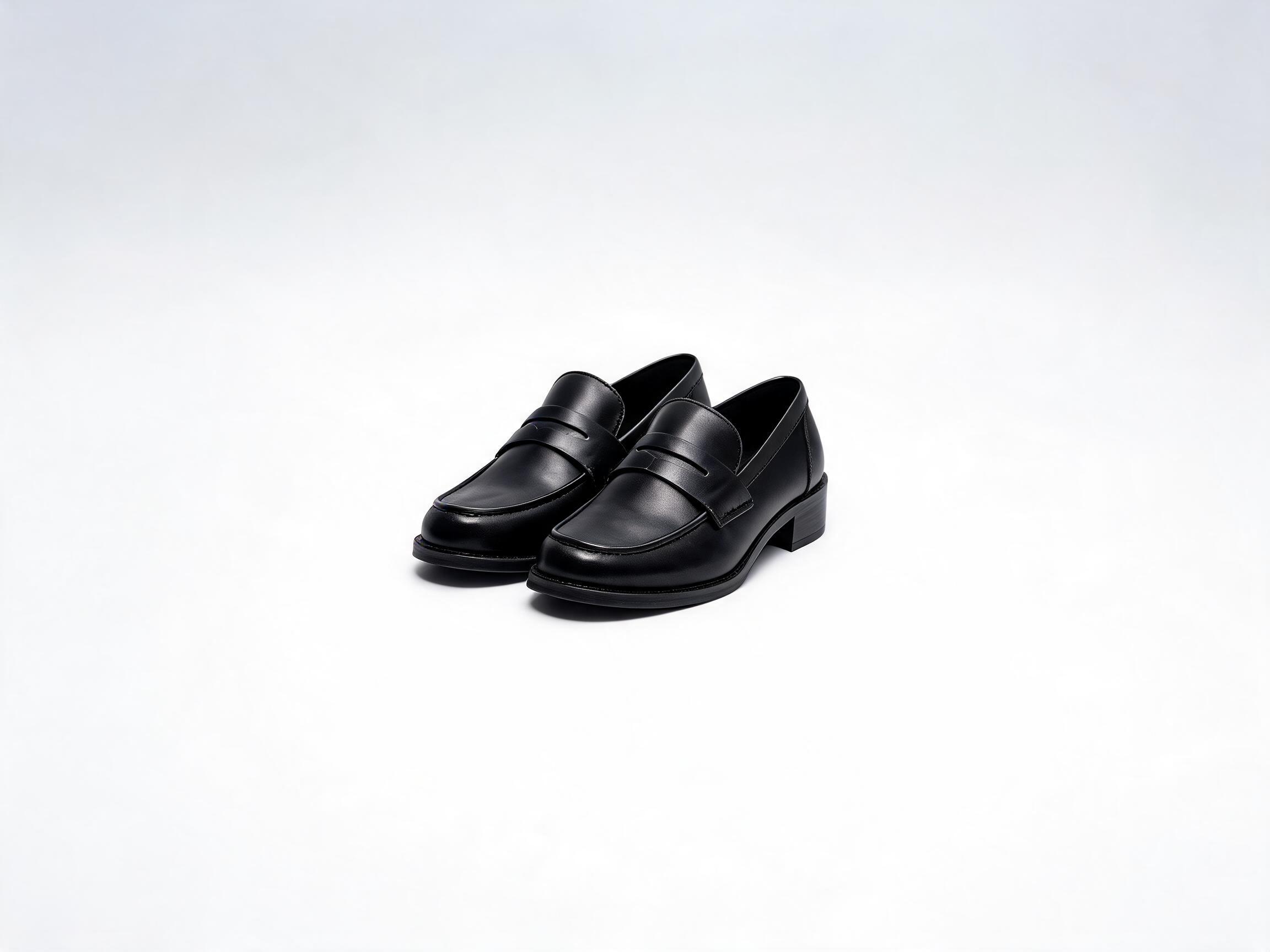
A practical walk-through of the order journey for European wholesale shoe buyers — inquiry and sampling, specification confirmation, production window and shipping-mode decisions — using a women's black leather loafer order as the worked example.
Supplier Guide for European Buyers
Ordering wholesale shoes for Europe is less about picking a model and more about sequencing the decisions correctly. Sampling, specification sign-off, production capacity and the point at which the goods leave the factory each carry their own lead time, and a compressed schedule in one stage pushes cost and risk into the next. This guide walks through that order journey from a European importer's working perspective, using a single women's loafer order as the running example.
Key takeaways
- The sample stage is where most later disputes are avoided or created — approve what you can actually measure, not just what looks right.
- Specification confirmation (materials, colorways, sizes, packing) is the document the factory quotes and produces against, so it should be signed before deposit.
- Production lead time runs from confirmed spec and deposit, not from the date you first asked.
- Shipping mode is a buyer decision made with a forwarder; treat any factory-side timing comment as an input, not a schedule.
In this guide
1. Inquiry and sampling
A useful first inquiry tells the supplier three things: the model or style direction, the target quantity per color, and the market you sell into. Everything else — price, packaging, payment terms — follows from those. European buyers typically add a fourth item that matters more than it appears: the destination country and the intended retail channel, because both shape how the goods need to be packed and labeled before they leave the factory.
Sampling is the stage where the order is effectively designed. At Aurevia Footwear Co., Ltd., sample shoes are prepared in 3–5 days for existing styles, while customized samples — new lasts, changed materials, altered detailing — take 7–12 days. That gap is worth planning around: if your selection is still open when you approach a supplier, the customized route adds roughly a week to the front end of the schedule.
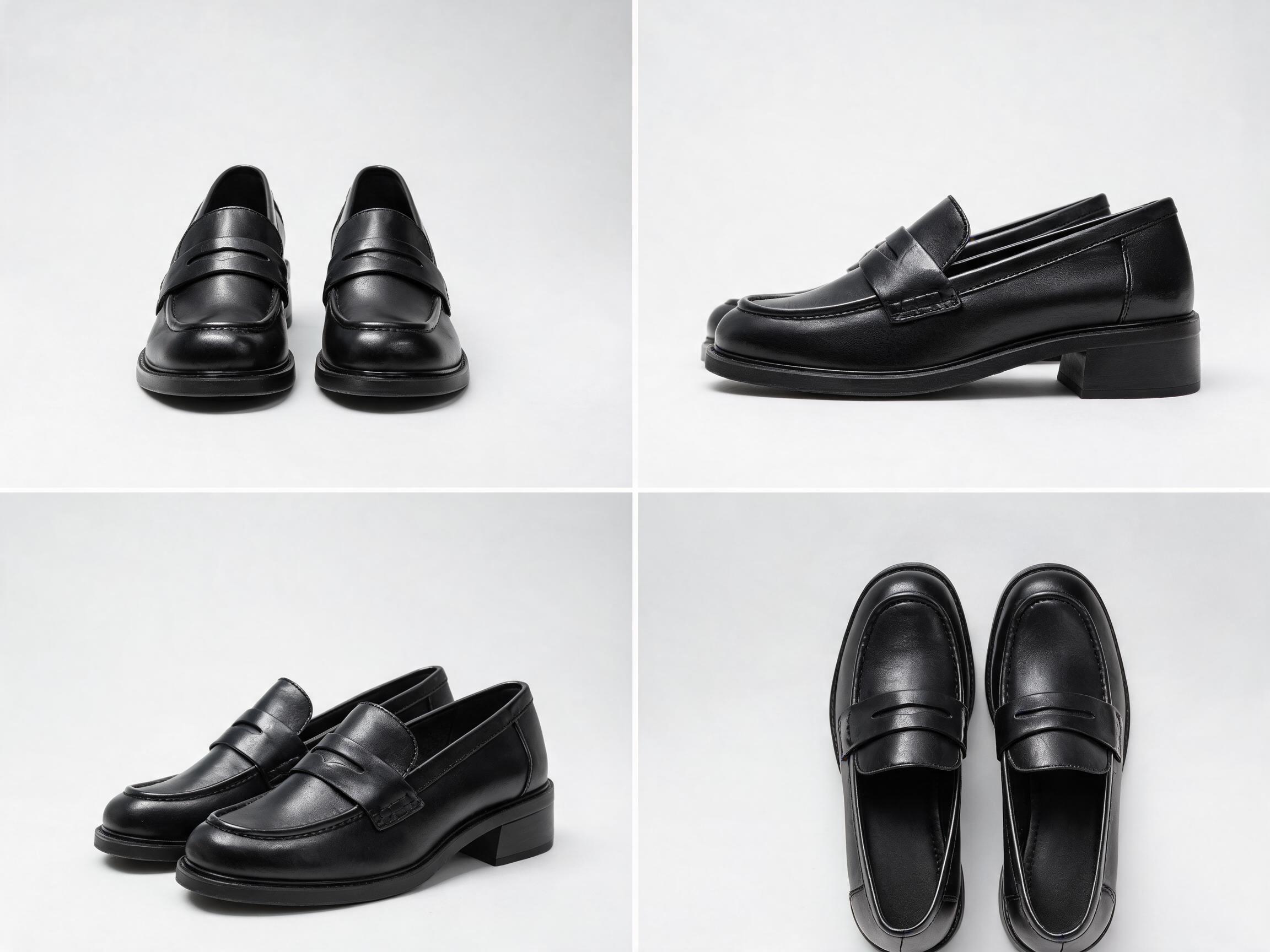
When the sample arrives, evaluate it the way your customer will. Check the upper material against what you asked for, confirm the heel height and sole construction, and wear-test the fit on the size range you actually plan to stock. Photograph the sample beside your spec sheet and note every deviation in writing. A sample that is "close enough" without a written note becomes a production argument three months later.
2. Specification confirmation
The specification document is the working contract between buyer and factory. It should fix, at minimum:
- Materials and colorways — upper material, lining, sole, and the exact color references per style.
- Size range and size breaks — which sizes are ordered and in what ratio per carton.
- Construction details — heel height and type, stitching, hardware, any logo placement.
- Packing — inner box, polybag or dust bag, carton configuration, and any retail-ready labeling.
- Quantities per color — because minimum order quantities usually apply per color, not per order.
Labeling and packaging requirements are the item European buyers most often leave until late. Whatever your retail channel requires in terms of barcode placement, country-of-origin marking or carton marks, put it in the spec before deposit rather than after production starts. If you are unsure what your market requires, confirm the current rules with your own compliance advisor or importer of record — the factory produces to your written instruction.
Once the spec is signed, ask for a written confirmation of two numbers together: the MOQ per color and the production lead time. These are the two figures that determine whether your delivery date is realistic.
3. The production window
Production lead time is counted from confirmed specification and received deposit — not from the inquiry date and not from sample approval alone. Build your own calendar backwards from the date you need goods in your warehouse, and reserve time for the stages on either side of production: sampling at the front, and inspection plus booking and transit at the back.
Quality control during production should be described in stages so you know what is being checked and when. Aurevia runs a three-stage process: incoming material inspection, in-line inspection during assembly, and final inspection before packing. For a European buyer, the practical value is the in-line stage — problems caught while the batch is still being assembled are cheaper to fix than problems found in the final carton. Ask your supplier to tell you when each stage happens and what happens if a defect is found at final inspection.
A written warranty and after-sales arrangement belong in this stage of the conversation too. Aurevia offers a 6-month warranty and responds to after-sales issues within 48 hours. Confirm what the warranty covers, how claims are documented (photos, batch references, carton numbers) and who bears the cost of replacement — get this in writing before the order is placed, not after the first complaint.
4. Shipping-mode considerations
Shipping is where European buyers most often rely on assumptions. The factory can prepare export documents and pack to your instructions, but the transit schedule, freight cost and import formalities are set by your forwarder and by the customs rules of the destination country. Treat any comment about transit time as a planning input to verify with your forwarder, not as a factory commitment.
The mode decision generally comes down to a trade-off between cost per unit and speed, and the right answer depends on your stock position:
| Consideration | What it affects | What to confirm with your forwarder |
|---|---|---|
| Carton volume and weight | Cost per pair, container or pallet fill | How your packing configuration loads, and whether carton dimensions are optimized for your chosen mode |
| Port or airport of arrival | Inland leg, total door-to-door time | Routing options and the customs entry process at that port |
| Incoterms | Who pays which leg and who clears customs | The exact term you are quoting against, and what it includes |
| Documentation | Clearance speed, demurrage risk | The document set required for your product and destination |
Two practical rules apply regardless of mode. First, agree the carton marking and packing list format before production ends, so the goods are export-ready when the forwarder books the slot. Second, build a buffer between the factory's completion date and your forwarder's cut-off — final inspection, repacking and trucking to the port all take days that do not appear on the production schedule.
5. Worked example: a black leather loafer order
Take the Women's Black Leather Loafers as a concrete case. The model has a leather upper and an approximately 3.5 cm block heel — a height that sits comfortably in most European smart-casual ranges. The spec sheet lists a MOQ of 100 pairs per color. Confirm current MOQ and lead time with the sales team before ordering.
Suppose you want two colorways — the standard black and a second finish — for a spring delivery. On the listed terms, that is a minimum of 200 pairs, split 100 per color. The listed production lead time is 25–35 days. Confirm current MOQ and lead time with the sales team before ordering.
Laid out on a calendar, the order looks like this:
| Stage | What happens | Planning note |
|---|---|---|
| Sample | 3–5 days for the existing style; 7–12 days if customized | Order both colorways as samples if the second finish is new |
| Spec sign-off | Materials, sizes, packing, carton marks confirmed in writing | Include your labeling and barcode requirements here |
| Production | 25–35 days from confirmed spec and deposit | Confirm current MOQ and lead time with the sales team before ordering |
| Final inspection and packing | Third-stage QC before cartons close | Ask for the inspection report before shipment is released |
| Shipping | Mode, route and transit set with your forwarder | Do not treat factory timing comments as transit schedules |
The realistic total from first inquiry to goods on your shelf is therefore longer than the production number suggests. If the second colorway needs a customized sample, add a week at the front; if you are shipping by sea into a busy period, add buffer at the back. That is not a reason to avoid the order — it is a reason to start the conversation earlier than you think you need to.
6. Questions buyers ask
Can I mix sizes and colors within one order?
Size ratios are normally agreed within each carton configuration and set in the spec. Color is different: MOQ usually applies per color, so the minimum quantity figure compounds with each colorway you add. Confirm the exact structure with the sales team before you calculate your order.
Who handles compliance and labeling for my market?
The importer of record — usually you or your appointed agent — is responsible for confirming the destination market's requirements. The factory can produce to the labeling and packaging instructions you provide in the spec. Confirm the current rules with your own compliance advisor rather than relying on a supplier's general comment.
What happens if goods arrive with defects?
This is why the warranty terms and the defect documentation process should be agreed before the order. Confirm what is covered, what evidence the factory needs, and how replacements are handled — in writing, at the spec stage.
Where to start
A European wholesale shoe order runs on sequence, not on speed. Approve a sample you have actually evaluated, sign a spec that includes packing and labeling, get MOQ and lead time confirmed in writing against that spec, and treat shipping as a separate decision made with your forwarder. Aurevia Footwear Co., Ltd. has been manufacturing from Quanzhou since 2011, works with a 260-person team, exports to Europe, North America and the Middle East, and offers OEM/ODM service. If you are planning a first or repeat order, send the style direction, target quantities per color and your destination market, and ask for sample timing and spec confirmation to start the calendar.