A buyer-side evaluation framework for shortlisting wide fit trainers manufacturers in China. Covers last-library depth, EU/US size grading verification, bulk QC stages, sample-to-bulk consistency, and MOQ questions to resolve before the first order.
Shortlisting wide fit trainers manufacturers in China comes down to three things you can verify before committing: the depth of their last library, how they handle EU and US size grading, and whether their bulk QC process is specific enough to catch problems before shipment. This guide frames each as questions to ask and evidence to request.
Key Takeaways
- Wide fit requires a dedicated last, not a standard last graded up in width.
- Ask what wide-fit blocks already exist in the factory's last library before discussing new development.
- Verify EU vs US size conversion and width grading consistency across the full size run with a physical or documented check.
- Clarify sample-to-bulk consistency terms and MOQ structure before the first order.
Why Wide Fit Needs a Dedicated Last, Not a Graded-Up Standard Last
A wide fit trainer is built around a last that has been shaped for a wider foot from the start. If a factory simply takes a standard last and scales it up in width, several things change together: the heel seat may become too loose, the instep can sit higher or lower than intended, and the toe box may not align with the width increase in a way that keeps the foot centered. The result is a shoe that measures wider on paper but does not fit or feel like a wide fit.
This is the first filter when comparing wide fit trainers manufacturers. Ask whether the factory has existing wide-fit lasts in its library or whether every wide-fit program starts from a new last. A factory with an existing wide-fit block can usually move faster and has already solved common fit problems. A factory that only has standard lasts may still be capable, but you are funding the last development and the fit risk is higher until the first samples are approved.
What to Ask About a Supplier's Last Library
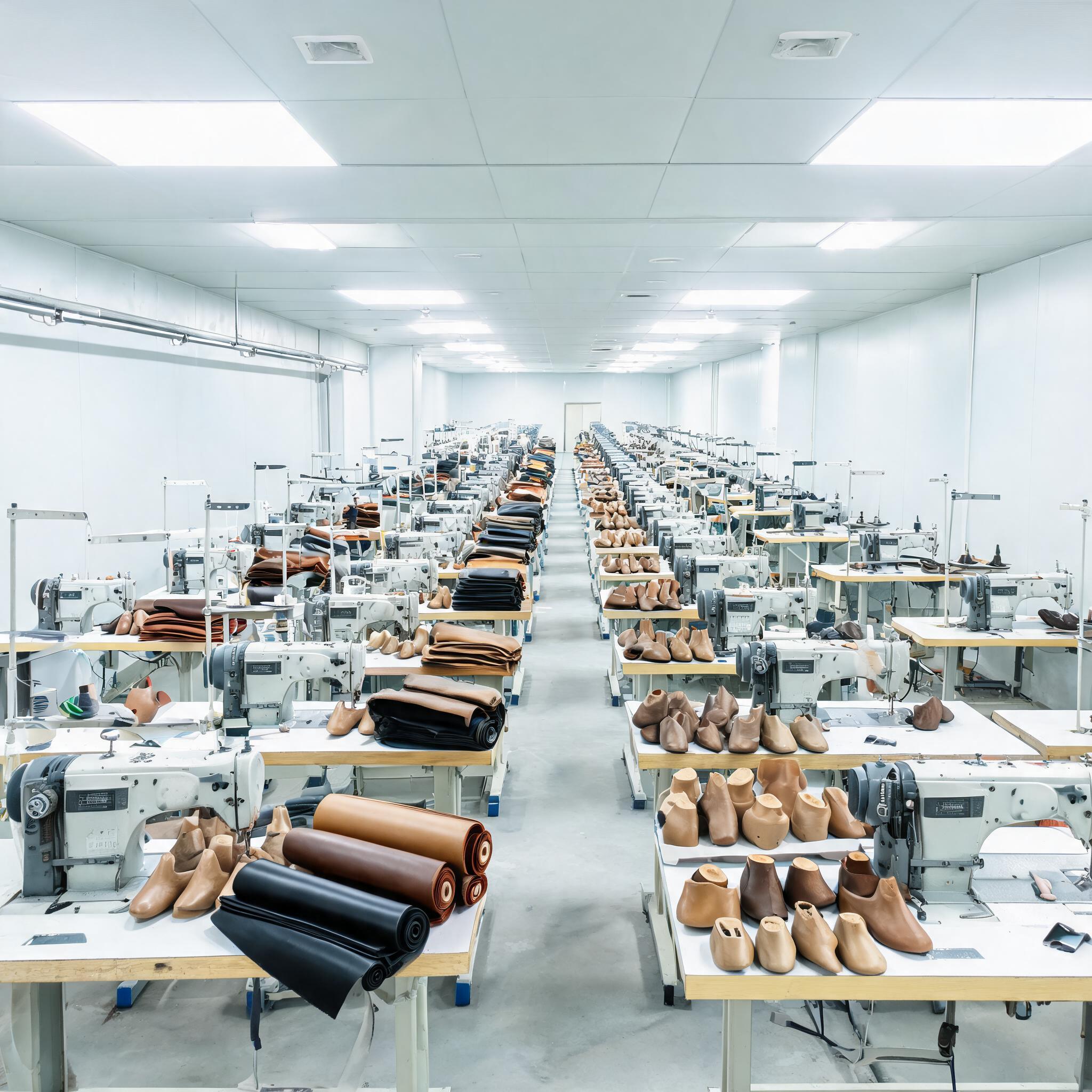
The last library is the factory's core technical asset for fit. Request a description of it before you request a quote.
- Existing wide-fit blocks: Which wide-fit lasts already exist, and for which categories (running, training, walking, lifestyle)? Are they in-house designs or customer-owned?
- Grading rules and width conventions: How is the last graded across sizes (increments for length, width, girth), and how do internal width labels map to the width labels you use on your retail packaging? A supplier should be able to explain both in their own terms.
- Last ownership and exclusivity: If a last is developed for you, who owns it, and will it be used for other buyers?
- Last maintenance: How are lasts stored and checked over time? A worn or warped last affects fit long before it affects appearance.
If a supplier cannot describe its last library in specific terms, treat that as a signal that fit development may be less controlled than the sales conversation suggests.
Verifying EU vs US Size Grading and Width Consistency
EU and US size systems are not interchangeable, and the conversion is not a single fixed offset. Width grading adds another layer because a size run must keep the intended fit relationship between sizes, not just scale each dimension by the same percentage.
When you evaluate wide fit trainers manufacturer China options, ask for a size grading sheet that shows how each size in the run relates to the next. The useful questions are:
- Which size system is the master system used in last development, and how is the other system derived from it? How is width graded across the run?
- Can the factory provide a physical size set or measurement record so you can check the conversion against your own fit standards?
A practical check is to request a sample in the smallest and largest sizes of your intended run, plus one middle size. Fit problems often appear at the ends of a run, where grading errors accumulate. If the factory can only provide a single sample size, you are not yet able to judge grading consistency.
Bulk QC Stages That Matter for Wide Fit Trainers
Wide fit adds width and girth to the fit equation, but the bulk QC stages are the same ones that protect any footwear program. What matters is whether the factory performs them in-house and what records you will see.
| QC Stage | What It Catches | What to Ask For |
|---|---|---|
| Incoming material inspection | Material defects, wrong thickness, color variation | How is incoming leather inspected; are records kept by batch |
| Construction / mid-production inspection | Stitching errors, lasting accuracy, width deviation during assembly | Which line points are inspected and who signs off |
| Finished-shoe inspection | Fit defects, sizing errors, packing errors | What the finished-shoe check covers; is it done against your approved sample |
| Pre-shipment review | Quantity, assortment, labels, packaging, carton condition | What documentation accompanies the shipment and who signs the release |
A supplier that can describe these stages in its own words is easier to trust than one that only says "we have strict QC." The difference is whether the process is specific and repeatable.
Sample-to-Bulk Consistency Checks
The approved sample is the reference for bulk. The question is how the factory keeps bulk production aligned with it. Ask these before the order is placed:
- Is the approved sample retained at the factory as a golden sample for bulk comparison?
- Are lasts, patterns, and materials controlled by the same specifications used for the sample — and if a material substitution is needed, who approves and documents it?
- Can you request a pre-production sample from the actual bulk materials before full production begins?
For wide fit programs, pay particular attention to whether the bulk lasting process uses the same last and the same lasting tension as the approved sample. A last that is correct but used inconsistently on the line will still produce fit variation.
MOQ and Program Questions Before the First Order
MOQ is not just a number. It is a structure that determines how you can test a wide fit program without overcommitting. Clarify the following before you finalize a supplier:
- Is MOQ counted per style, per color, or per size run?
- Can the first order be split across sizes to test the full run, and does a wide fit program carry a different MOQ than a standard fit program?
- Are there separate minimums for custom packaging, logo, or size grading customization?
- How are repeat orders handled if the last is already approved?
Aurevia Footwear Co., Ltd. is a B2B footwear manufacturer and exporter founded in 2011, based in Quanzhou, China, with about 260 staff. The company operates in-house design and sampling teams, sources genuine leather with multi-stage inspection, and offers flexible OEM/ODM and private label including logo, packaging and size grading customization. Its multi-stage QC covers material, construction and finished-shoe inspections against international quality standards before shipment, and it exports to Europe, North America and the Middle East.
Quick Supplier Evaluation Checklist
- Does the factory have existing wide-fit lasts, or will every program start from new development?
- Can it explain grading rules and provide a size grading sheet and physical size set for EU/US conversion checks?
- Are incoming material, construction, finished-shoe, and pre-shipment QC stages performed in-house?
- Is a golden sample retained, and can a pre-production sample be requested?
- Is MOQ structure clear per style, color, and size run?
FAQ
Can a standard trainer last be used for a wide fit program?
A standard last can be graded wider, but the fit relationship between heel, instep, and toe box changes. A dedicated wide-fit last is usually needed to keep the foot centered and the fit predictable across sizes.
How do I check EU vs US size conversion before ordering?
Ask for the factory's size grading sheet and, where possible, a physical size set covering the smallest and largest sizes in your run. Test the conversion against your own fit standards rather than relying on a single conversion table.
Next Step
Use the checklist above as a shortlisting tool. Ask each candidate factory for its last library description, size grading sheet, QC stage list, and MOQ structure. The factories that answer in specific terms are worth sampling with. If you are evaluating a wide fit trainers program for the EU or US market, send your target size run and fit requirements so the last and grading questions can be addressed before sampling begins.