

A plain-language explanation of what composite toe work boots are, how composite toe caps compare with steel under the same conditions, and how buyers should read spec sheets. Includes weight considerations, temperature behavior, and detection points at security workplaces.
Technical Explainer
Composite toe work boots use a non-metal toe cap made from materials such as fiberglass, carbon fiber, Kevlar, or plastic blends. The cap is molded into the boot's toe box to protect the foot from impact and compression, just like a steel toe. The difference lies in what the cap is made of and how that material behaves under weight, temperature, and security screening. This article explains what a composite toe is, compares it with steel under the same conditions, and shows buyers how to read a spec sheet before ordering.
Key takeaways:
- Composite toe caps are non-metal, so they do not trigger metal detectors in the same way steel does — but detection policies vary by site.
- Weight differences between composite and steel boots depend on the specific cap and boot construction; there is no universal gram figure.
- Composite caps do not conduct cold the way steel does, which can matter in cold-storage or outdoor winter work.
- Spec sheets list toe type, standard references, and weight per size — but you must confirm the exact toe option and performance data with the supplier for each order.
In this article:
What is a composite toe cap?
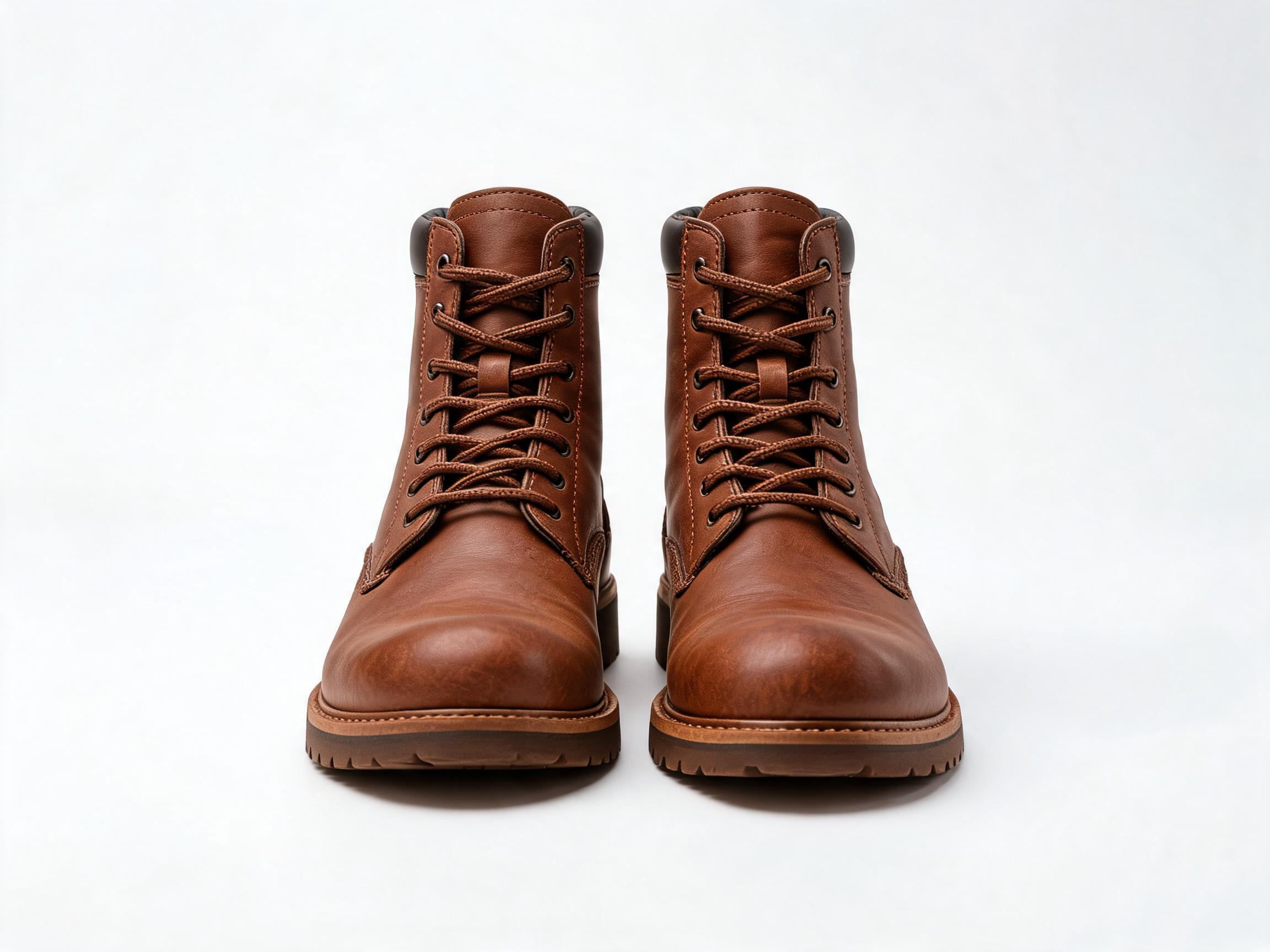
A composite toe cap is a protective shell made from non-metal materials — commonly fiberglass, carbon fiber, Kevlar, or a polymer blend. The cap is shaped to cover the toes and is built into the boot during manufacturing. Like a steel toe, it is designed to resist impact and compression from falling objects or heavy loads. The key difference is that the cap contains no metal, so it does not conduct electricity, does not conduct cold the same way, and may not set off metal detectors — depending on the detector's sensitivity and the site's screening policy.
Composite caps are one of several toe protection options available to buyers. Others include steel, aluminum, and alloy. The right choice depends on the hazards present, the site's screening rules, and the wearer's preference for weight and feel. For B2B buyers, the important point is that the toe type is a specification you select — it is not automatically included in every boot model. You must confirm with the supplier which toe options are available for the specific style you are ordering.
Weight: what actually changes
Composite toe caps are often lighter than steel caps of similar size, but the difference varies by cap design and boot construction. A composite cap may weigh less than a steel cap, but the boot's overall weight also depends on the upper leather, outsole, midsole, and lining. There is no single number that applies to all composite boots. When comparing weights, ask the supplier for the weight of the finished boot in the sizes you plan to order, not just the cap weight.
Weight matters for wearers who are on their feet all day, climb ladders, or walk long distances. A lighter boot can reduce fatigue, but it is only one factor. Fit, support, and outsole traction also affect comfort. Buyers should request a sample or a size-run weight chart from the supplier to compare options for their specific workforce.
Temperature behavior
Steel conducts heat and cold more readily than composite materials. In cold environments, a steel toe cap can draw warmth away from the toes, making the boot feel colder. Composite caps do not conduct cold the same way, so they may feel warmer in cold conditions. In hot environments, the difference is less pronounced, but composite caps do not transfer heat from the ground as quickly as steel.
This does not mean composite boots are warm in all conditions — insulation and sock choice still matter. For workers in cold storage, outdoor winter work, or temperature-controlled facilities, composite toe boots can be a practical choice. Buyers should discuss temperature range and insulation requirements with the supplier, as these are separate specifications from the toe cap material.
Detection at security workplaces
One of the most discussed differences between composite and steel toe boots is how they interact with metal detectors and security screening. Because composite caps contain no metal, they may not trigger metal detectors in the same way as steel caps. However, "may not trigger" is not the same as "will not trigger." Detector sensitivity, the presence of other metal components in the boot (such as eyelets, shanks, or nails), and the site's screening policy all affect the outcome.
Workplaces with metal detection — such as certain manufacturing plants, food processing facilities, and secure sites — may have specific rules about footwear. Some sites require non-metal footwear to reduce screening delays; others accept steel toe boots and screen them routinely. Buyers should check the site's policy and test a sample boot if possible. The supplier can provide a material declaration or component list to help with this discussion, but the final decision rests with the site's security team.
How to read a spec sheet
A well-prepared spec sheet gives buyers the information they need to compare options and place an order. Here are the items to look for and the questions to ask:
| Spec item | What to look for | Question for the supplier |
|---|---|---|
| Toe type | Composite, steel, aluminum, or alloy | Which toe options are available for this style? |
| Standard reference | The standard the toe cap is tested to (e.g., EN ISO 20345, ASTM F2413) | Which standard applies, and can you provide the test report? |
| Weight | Weight per boot in specific sizes | What is the finished boot weight for size EU 42 / US 9? |
| Upper material | Leather type, thickness, treatment | Is the leather full-grain? What treatment is applied? |
| Outsole | Material, tread pattern, slip resistance | What is the outsole compound and lug depth? |
| Sizes | EU and US size ranges | Are half sizes available? What is the size conversion chart? |
| MOQ | Minimum order quantity per color | What is the current MOQ and lead time? (Confirm with the sales team before ordering.) |
Spec sheets vary in detail. Some list only the toe type and standard; others provide full material breakdowns. If a spec sheet does not state the toe type or standard clearly, ask for written confirmation. Do not assume a boot has a composite toe just because it is described as "non-metal" or "lightweight." The toe type must be confirmed in writing for each order.
Also note that performance claims — such as impact resistance or compression resistance — should be backed by test reports for the specific model and toe option. The supplier should be able to provide these reports or reference the standard under which the boot is tested. If a report is not available, treat the claim as unconfirmed.
When composite beats steel
Composite toe boots are not universally better than steel. They are a different set of trade-offs. Composite tends to be the better fit in these situations:
- Security screening: Sites that use metal detection and prefer non-metal footwear may find composite easier to clear. Confirm with the site's security policy.
- Cold environments: Workers in cold storage or outdoor winter conditions may prefer composite because it does not conduct cold like steel.
- Weight-sensitive roles: If reduced weight is a priority and the boot construction supports it, composite can help reduce fatigue. Compare finished boot weights, not just cap weights.
- Non-metal requirements: Some electrical or specialty work environments require non-metal footwear. Composite may meet that requirement, but confirm the specific standard.
Steel toe boots remain a solid choice where metal detection is not an issue, where the site accepts steel, and where the buyer prefers the feel and durability of steel. Steel caps are generally lower in cost, but that is a commercial decision that depends on the supplier and order volume.
A leather work boot option
Aurevia Footwear Co., Ltd. is a genuine-leather footwear OEM/ODM exporter founded in 2011, with about 260 staff, serving markets in Europe, North America, and the Middle East. One of its boot styles is the Brown Leather Work Boots, made with oiled full-grain leather and an oil- and slip-resistant lug rubber outsole. The boot has speed-hook lacing and a shaft height of approximately 15 cm. Sizes run from EU 39–46 / US 6.5–12.5. The minimum order quantity is 200 pairs per color, and lead time is 35–45 days — confirm current MOQ and lead time with the sales team before ordering.
Toe cap options for this style — including whether a composite toe is available — should be confirmed directly with the supplier. The product page and spec sheet will list the available toe types for the current production run. Buyers should request a sample and a written specification before placing a bulk order.