
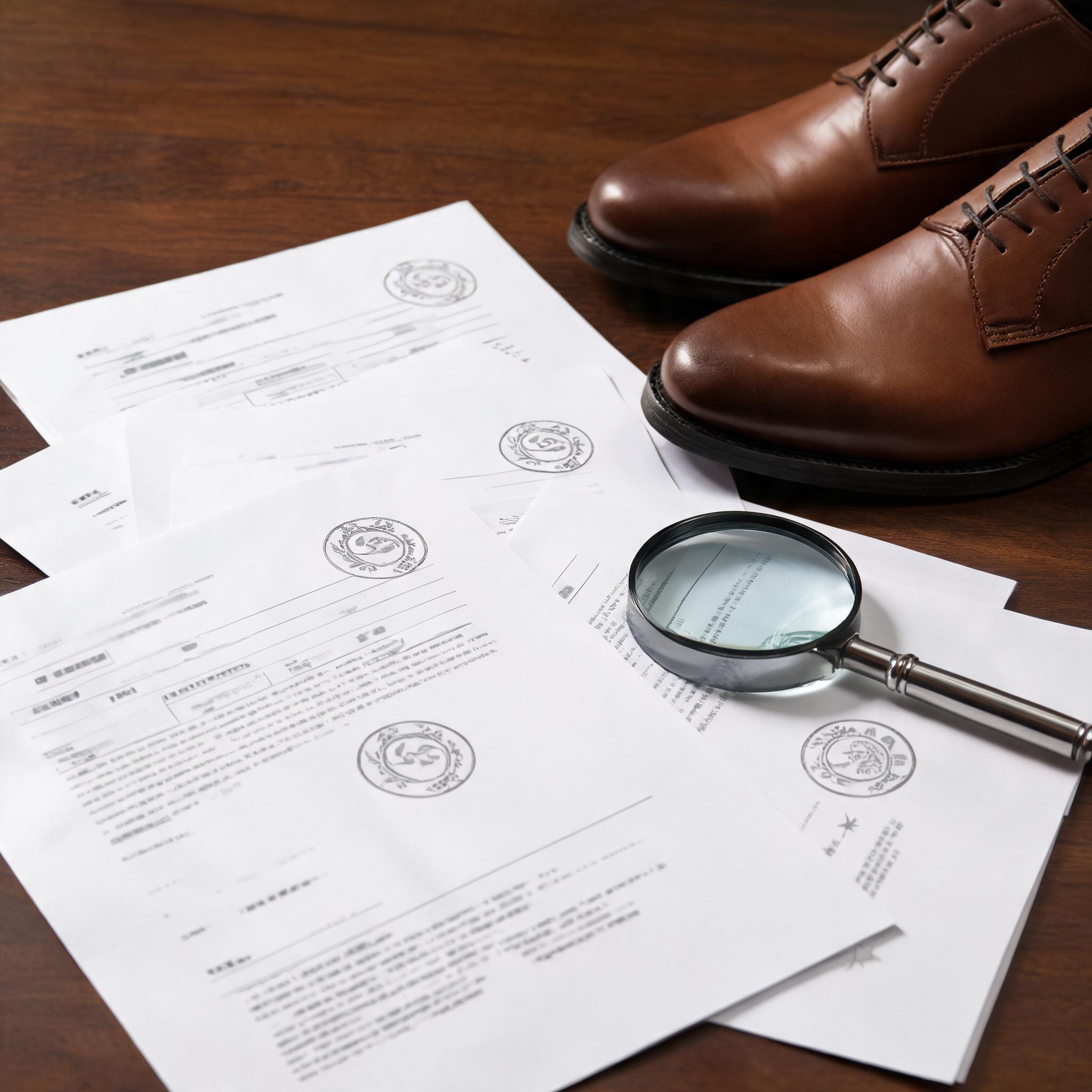
A practical, stage-by-stage audit checklist for visiting a leather shoe factory, covering leather storage, cutting, stitching, lasting, finishing, and final inspection—with weak signals to watch for at each step.
Factory Audit Guide
You have a shortlist of leather shoe factories. You have read their websites, compared their product photos, and exchanged samples. Now you are about to walk through the door of a real production floor. What you see in those two hours will tell you more about your future order than any brochure.
This guide is a stage-by-stage checklist for that visit. It follows the physical path of a leather shoe through the factory—from the warehouse to the shipping carton—and points out what to observe and what a weak signal looks like at each step. Use it as a reference during your audit, and adapt it to the type of footwear you plan to source.
In this guide
- Before you walk in: documents and housekeeping
- Leather receiving and storage
- Cutting: where consistency begins
- Stitching: the visible craft
- Lasting and assembly
- Finishing and handwork
- Final inspection and packing
- The audit checklist table
- Frequently asked questions
Before you walk in: documents and housekeeping
Start before the production floor. Ask to see the factory's own quality-control documents—not certificates on the wall, but the actual inspection sheets used on the line. Are they filled in by hand or on a tablet? Do they list specific measurements, or just a checkbox for "OK"? A factory that records real numbers is a factory that can reproduce them.
Notice the general condition of the building. Clean floors, organised workstations, and clear walkways are not cosmetic preferences. In a leather shoe factory, dust and clutter directly affect the quality of the product—leather absorbs moisture and odours, and loose debris can scratch finished uppers.
Leather receiving and storage
Genuine leather is a natural material. Each hide has variations in grain, colour, and stretch, and how a factory manages those variations determines the consistency of your order. In the leather store, look for three things.
How hides are received
Ask how incoming leather is checked. Is every batch inspected against a colour standard? Are thickness and softness measured, or just eyeballed? A factory that rejects a hide at receiving saves you from a bad pair of shoes later.
How hides are stored
Leather should be stored flat or rolled, away from direct sunlight and moisture. If you see hides piled loosely or exposed to a damp environment, the leather may have developed mildew or become brittle—problems that will not show up until the shoes are worn.
Batch traceability
Can the factory tell you which lot of leather went into a specific production run? For repeat orders, this matters. A factory that cannot trace its materials cannot guarantee that your next order matches your last one.
At Aurevia Footwear Co., Ltd., genuine leather and premium materials are sourced through stable supply channels, with multi-stage inspection to keep colour, texture, and durability consistent across repeat orders. Our production base in Quanzhou, China, runs organised cutting, stitching, and lasting lines for leather footwear, supporting stable output for bulk OEM and ODM orders.
Cutting: where consistency begins
Cutting is the first step where leather becomes a shoe. The skill here is not just cutting shapes—it is matching the natural characteristics of the leather to the right part of the shoe.
- Nesting: Look at how patterns are laid out on a hide. Are they packed tightly to minimise waste? A factory that wastes leather will quote you a higher price or cut corners elsewhere.
- Grain direction: The direction of the leather's grain affects how the shoe stretches and creases. Uppers should be cut with the grain running consistently. Check a few cut pieces—if the grain direction varies randomly, the shoes will not crease uniformly.
- Defect marking: Does the cutter mark and avoid natural defects like scars or insect bites? Or do these defects end up in visible parts of the shoe? A quick look at rejected pieces will tell you.
- Cutting method: For high-end footwear, hand-cutting or precision die-cutting with sharp blades is preferred. Dull dies or blades leave rough edges that cause problems in stitching.
Stitching: the visible craft
Stitching is where the quality of a leather shoe becomes visible. A buyer does not need to be a shoemaker to spot the difference between careful work and rushed work.
Stitch density and tension
Check the stitches per inch on a few uppers. Consistent stitch density across the whole shoe is a sign of well-calibrated machines. Look at the tension—stitches should lie flat, not pucker the leather. Puckering around seams is a common defect that indicates the machine tension is wrong or the operator is rushing.
Edge alignment
Where two pieces of leather are joined, the edges should meet cleanly with no gaps or overlaps. Misaligned edges are a classic sign of poor preparation in the cutting or skiving stage.
Thread quality
Ask what thread is used. For genuine leather footwear, bonded nylon or polyester thread is standard because it resists abrasion and does not rot. If you see loose threads or skipped stitches on the line, expect returns later.
At Aurevia, experienced craftsmen hand-finish uppers and soles, combining traditional shoemaking skills with modern production discipline. This is visible in the detail work on products like our Black Chelsea Boot Shoes—a black leather upper, leather lining, rubber sole, and 3 cm block heel with elastic side panels—where the stitching around the elastic is a clear indicator of the maker's skill.
Lasting and assembly
Lasting is the process of pulling the upper over the shoe form (the last) and attaching it to the sole. This is the most mechanically demanding step, and it is where many quality issues are born.
- Last condition: Are the lasts clean and free of damage? A damaged last will produce a distorted shoe shape.
- Pulling tension: The upper must be pulled evenly over the last. Uneven tension creates wrinkles and an asymmetric toe or heel. Watch the operator—are they checking symmetry as they work?
- Sole attachment: Whether the sole is cemented, stitched, or both, the bond must be clean. Look for excess glue or gaps between the upper and the sole. These are the first places a shoe fails.
- Heel alignment: For heeled shoes, the heel should sit flush against the sole with no visible gap. A misaligned heel will make the shoe unstable and wear unevenly.
Finishing and handwork
Finishing is where a good shoe becomes a premium shoe. This includes edge trimming, polishing, and applying the final coatings that protect the leather and give it its sheen.
Edge and sole finishing
Look at the edges of the sole and the heel. Are they smooth and evenly coloured? Rough or unpainted edges suggest the factory is cutting time on the final steps—the ones your customer will see first.
Hand-finishing skills
Ask to see the finishing bench. In a factory that produces high-end footwear, you should see craftsmen using irons, brushes, and polishing cloths, not just spraying a uniform coat of finish. The difference is visible in the depth of the shine and the feel of the leather.
For example, our Black Leather Loafers feature a black leather upper, leather lining, leather sole, and a 3 cm stacked heel. The hand-polished edge of the leather sole is a detail that distinguishes a premium loafer from a mass-market one.
Final inspection and packing
The final inspection is your last line of defence. A factory that takes this seriously will have a dedicated inspection area, separate from the production line, with good lighting and a clear checklist.
- What is inspected: Look for checks on symmetry, stitching, sole attachment, heel alignment, and surface defects. Are the inspectors using measuring tools, or just their eyes?
- What happens to rejects: Are rejected shoes tagged and set aside for repair or scrapping? Or do they slip back into the good pile? A clear segregation process is essential.
- Packing quality: Check how finished shoes are packed. Are they stuffed with paper to hold their shape? Are they wrapped to prevent scuffing? Poor packing undoes all the good work of the factory floor.
Aurevia's quality process follows this principle: every bulk order passes material, construction, and finished-shoe inspections before shipment. Our exports to Europe, North America, and the Middle East are subject to this multi-stage check, which is how we maintain consistency on repeat orders for our global B2B buyers.
The audit checklist table
| Production stage | What to observe | Weak signal to watch for |
|---|---|---|
| Leather receiving & storage | Incoming batch inspection, flat/rolled storage, batch traceability | Hides stored in damp or sunny areas; no record of which lot went into a run |
| Cutting | Pattern nesting, grain direction, defect marking, blade sharpness | Random grain direction; natural defects visible in cut pieces; rough edges |
| Stitching | Stitch density, tension, edge alignment, thread type | Puckered seams, misaligned edges, skipped stitches, loose threads |
| Lasting & assembly | Last condition, pulling tension, sole attachment, heel alignment | Wrinkled uppers, asymmetric toes/heels, excess glue, gaps at sole joint |
| Finishing & handwork | Edge trimming, polishing, coating application, hand-finishing skills | Rough or unpainted edges, flat uniform finish (no depth), visible buffing marks |
| Final inspection & packing | Dedicated inspection area, measuring tools, reject segregation, packing quality | Inspectors use only eyes, rejects mixed with good shoes, shoes packed without stuffing |
Frequently asked questions
How long should a factory visit take?
Plan for at least half a day. A rushed one-hour walk-through is not enough to observe a full production cycle. If the factory is serious about quality, they will welcome your time on the floor.
Should I ask for a sample before visiting?
Yes. Request samples of the specific styles you plan to order—not just the factory's showpieces. Evaluate those samples against the checklist above, then use your visit to see how those samples were made.
What if I cannot visit in person?
Ask for a live video walkthrough of the specific production stages that matter for your product. A reputable factory should be able to show you the cutting, stitching, and final inspection areas on a video call. For a first order, consider using a third-party inspection service to supplement the video audit.
Is a large factory always better?
Not necessarily. For high-end genuine leather footwear, the skill of the craftsmen and the discipline of the quality system matter more than the number of machines. A mid-sized factory with a focused team can often provide more consistent quality for niche or premium products than a large factory running high-volume lines.
Arranging your factory visit
A factory audit is your most reliable tool for predicting the quality of a bulk order. When you visit Aurevia Footwear Co., Ltd., you will see our 260-person team at work in Quanzhou, producing high-end footwear and fashion accessories with genuine leather craftsmanship. Our established since 2011, with an annual revenue of USD 12M, we focus on OEM/ODM services and private label programs for global B2B buyers.
On your tour, you can observe our organised cutting, stitching, and lasting lines, and see how our craftsmen hand-finish uppers and soles. You can also review our inspection process for products like our Black Leather Knee-High Boots—a bold statement piece with a black leather upper and a 6 cm block heel—and discuss how we would adapt our process to your specifications.
We export to Europe, North America, and the Middle East, and we are prepared to walk you through every stage of our production floor. Contact us to arrange a visit and bring this checklist with you—we are confident it will hold up to scrutiny.