
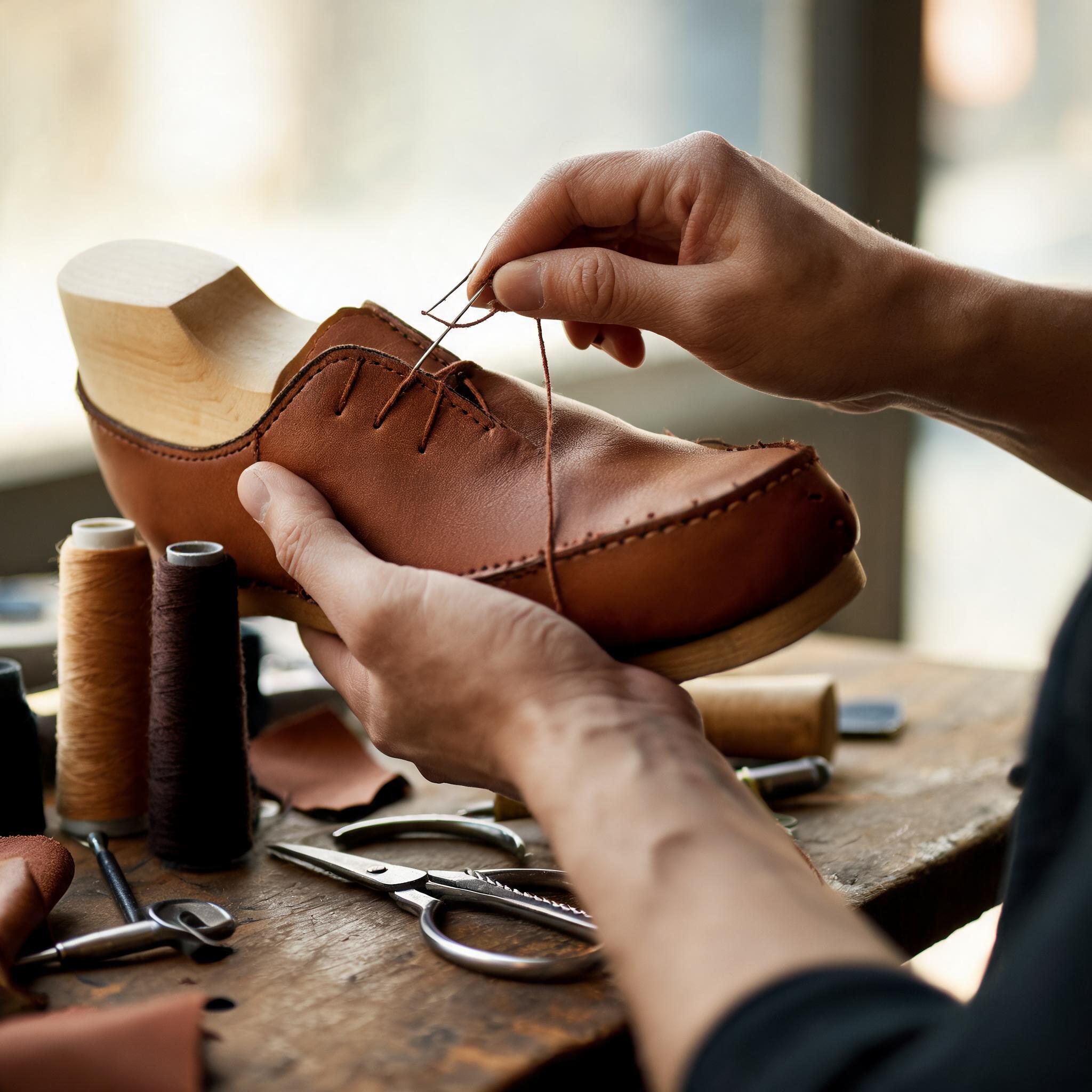
Why Wedges Are a Different Sourcing Problem
A wedge is not simply a heel with a different shape. In a wedge, the heel and forepart are joined into a continuous sole unit, which means the construction behaves differently from a separate-heel shoe at almost every stage: pattern making, lasting, sole attachment and final inspection. Buyers who treat a wedge order like a standard heel order usually discover the difference during bulk production, when corrections are expensive.
This guide covers what a B2B buyer should specify and check when sourcing wedge footwear in bulk, from the last and midsole through to the consistency controls that keep a repeat order matching the approved sample.
How a Wedge Is Built
Understanding the component stack makes the specification conversation much more productive. A typical wedge sandal or wedge shoe involves:
- Last: the foot form. A wedge last must account for the continuous sole profile, not just the heel height.
- Midsole: the structural core of the wedge. This is where stability is created or lost.
- Wedge cover: the visible outer surface, which may be leather, suede, textile or a wrapped material.
- Outsole: the ground-contact layer, usually rubber or a rubber-based compound.
- Upper and straps: attached to the sole unit, and sensitive to how the wedge flexes.
Because the midsole carries the load across the whole foot, its material and density determine whether the wedge feels stable or rolls. That is the single most important specification decision in a wedge program.
Practical check: ask how the midsole is specified and how its density is controlled between lots. A wedge that is stable in the sample but soft in bulk is almost always a midsole consistency issue.
Specifying the Wedge Before Sampling
A wedge specification should be agreed in writing before the first sample is made. The table below lists the decisions that most often cause problems when they are left open.
| Specification | What to define | Risk if left open |
|---|---|---|
| Heel height and pitch | Total wedge height and the angle of the sole platform | Comfort complaints and returns |
| Midsole material and density | Material family and target density range | Inconsistent stability between lots |
| Wedge cover | Material, finish and how it wraps the midsole | Visible seams and edge wear |
| Outsole | Compound, tread pattern and bonding method | Separation and grip problems |
| Upper attachment | Strap position and stitching relative to the sole unit | Strap pull-out and fit issues |
Once these are fixed, the sample becomes a measurable reference rather than a subjective one.
Stability and Heel-Height Consistency in Bulk
The two quality issues that most often affect a wedge program are stability and heel-height consistency. Both are controllable, but only if they are measured rather than eyeballed.
Stability
Stability in a wedge comes from the midsole and from how the sole unit meets the ground. In bulk production, the practical controls are:
- Checking midsole density against the approved standard on incoming material
- Confirming the sole unit sits flat and does not rock when placed on a level surface
- Testing the finished shoe for flex behaviour at the forepart, where a wedge naturally bends
Heel-height consistency
Because the wedge is one continuous unit, a small variation in the midsole or in the sole attachment can shift the effective height. Buyers should agree a tolerance and a measurement method, then have it checked on finished shoes rather than on components alone.
Agreeing the tolerance in advance matters more than the exact number. A stated tolerance gives the factory a target and gives the buyer a basis for accepting or rejecting a lot.
Two measurement conventions are worth fixing in the specification so that both sides measure the same thing:
- Where height is measured: state whether the height is taken at the back of the heel seat or at the highest point of the wedge, because the two positions give different readings on the same shoe.
- How density is checked: state whether the midsole is checked as an incoming component or on the finished shoe, and how many pieces per lot are sampled.
Neither convention is inherently right or wrong. What matters is that the buyer and the factory agree on one and record it, so that a later dispute is settled by the agreed method rather than by opinion.
Market Differences Buyers Should Plan For
Wedge preferences differ by market, and the differences affect specification rather than just styling. The tendencies below are starting points for the buyer's own range plan, not fixed rules, and each should be confirmed against the target market before it is written into a specification.
- Europe: buyers often favour a cleaner, more architectural wedge with a covered midsole and restrained hardware, and they tend to specify tighter tolerances on finish. When briefing a European programme, ask the factory to state the finish tolerance it can hold on the wedge cover edges and seams.
- North America: a wider range of wedge heights is accepted, and comfort-led constructions with softer midsoles are common in casual and resort lines. For these programmes, ask how the midsole density will be set for the intended comfort level.
- Middle East: buyers frequently request more decorative uppers and a broader size range, which places more demand on upper attachment and on size grading. For these programmes, confirm the size range and the grading rules before sampling, because both affect the pattern set.
The point is that the same wedge construction will not suit every market, so the specification should be set per program and confirmed with the buyer's own range plan.
Where Wedges Fit Alongside Other Styles
Wedges usually sit in a range between flat sandals and separate-heel shoes. Aurevia Footwear's existing styles illustrate the range: the nude block-heel shoes show a stable, low-profile heel construction, while the cognac leather mule shoes show a slip-on silhouette with a defined heel. A wedge program can be developed alongside both without duplicating either.
For buyers building a summer range, wedges also pair naturally with flat constructions such as the beige espadrille flats, which use a jute-wrapped sole unit and therefore share some of the same sole-attachment considerations.
Common Mistakes in Wedge Sourcing
- Specifying heel height without specifying midsole material or density.
- Approving a sample without agreeing a heel-height tolerance and measurement method.
- Treating the wedge cover as purely decorative and ignoring how it wraps the midsole.
- Assuming a wedge will behave like a separate-heel shoe during lasting and sole attachment.
- Using one specification across markets with different comfort and decoration expectations.
Frequently Asked Questions
What is the most important specification in a wedge order?
The midsole. It carries the load across the whole foot, so its material and density determine stability, comfort and how consistent the shoe feels between lots.
How should heel height be controlled in bulk?
Agree a tolerance and a measurement method before sampling, then check finished shoes rather than components alone. A stated tolerance gives both sides a clear basis for acceptance.
Can a wedge be produced in both leather and non-animal materials?
Yes. The wedge cover can be specified in different materials, but the midsole and outsole specification should be confirmed separately because they carry the structural load.
What should I prepare before requesting a wedge quote?
Bring the target market, the wedge height and pitch, the cover material direction, the size range and your tolerance requirements. Those inputs let a supplier respond with a realistic construction plan.
Next Step
If you are developing a wedge range for bulk production, the most useful first step is to define the midsole specification and the heel-height tolerance. Share your style reference, target market and construction requirements, and Aurevia Footwear's team can review the requirement and prepare a sampling plan.