
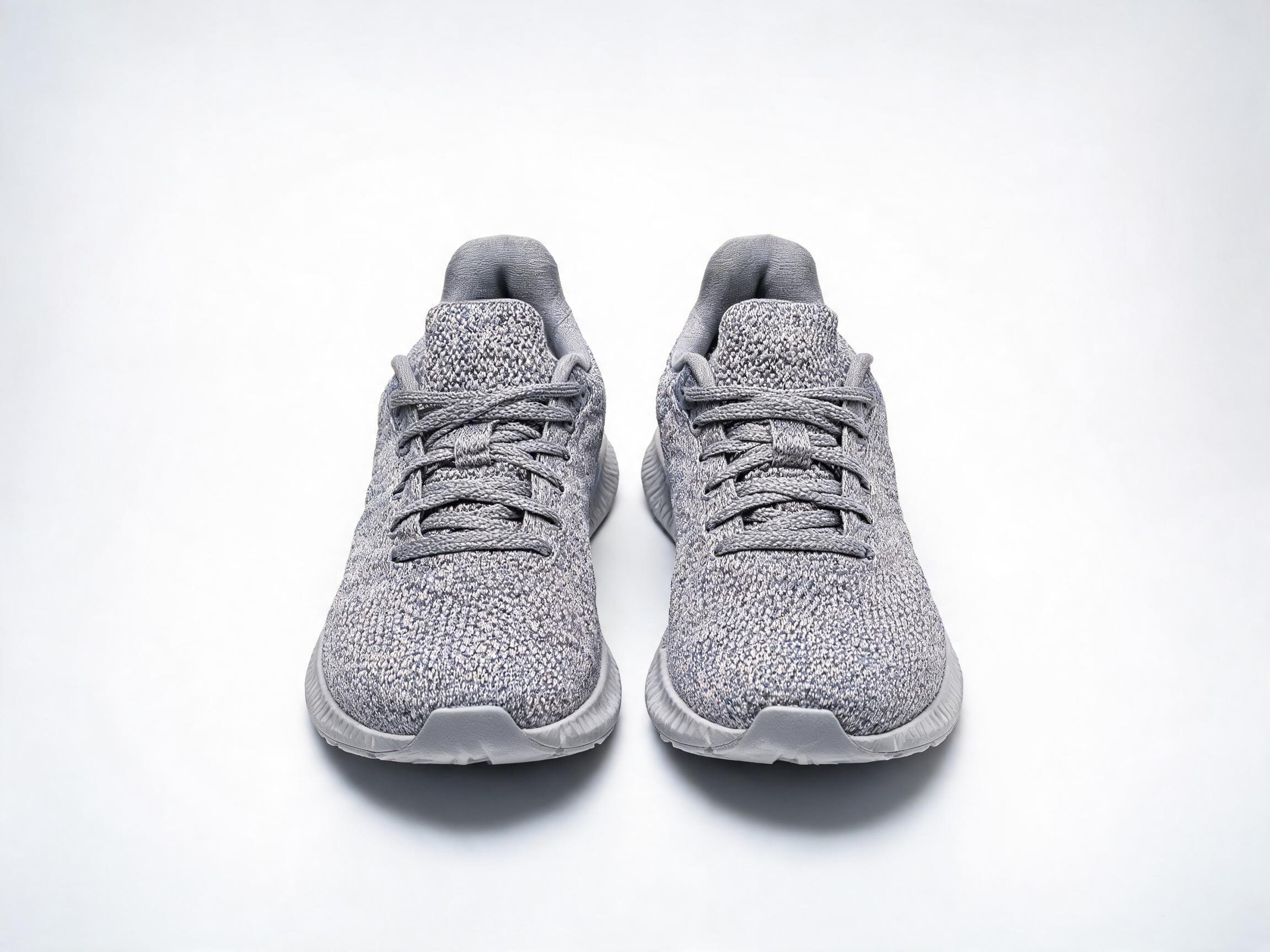
A wide-fit trainer program lives or dies on one document: the last specification. Before you discuss leather, mesh, or logos, a China OEM/ODM footwear factory needs to know which foot volume you are building around, how the shoe will be worn, and what size range must be commercially viable. Everything else — pattern, upper, tooling, bulk QC — follows from that decision.
What Buyers Actually Need to Specify First
A wide-fit trainer program lives or dies on one document: the last specification. Before you discuss leather, mesh, or logos, a China OEM/ODM footwear factory needs to know which foot volume you are building around, how the shoe will be worn, and what size range must be commercially viable. Everything else — pattern, upper, tooling, bulk QC — follows from that decision.
This guide covers the development sequence for China wide fit trainers Customized programs: last design and grading, sizing tolerances, tooling cost, and the QC steps that catch problems before containers ship.
Last Design: Where Wide-Fit Is Won or Lost
"Wide fit" is not a single number. It is a combination of ball girth, instep height, toe box volume, and heel width at a given length. Two lasts both labelled 2E can fit very differently. When you brief a factory, give them these coordinates rather than a marketing label:
- Ball girth at the target length (for example, the circumference around the widest part of the forefoot)
- Instep girth — often the real problem for buyers returning shoes that "feel tight on top"
- Heel width and heel grip, since a wide forefoot with a loose heel causes slip
- Toe box height, relevant for thicker socks, orthotics, or work use
- Last bottom profile, which determines whether the shoe looks bulky or streamlined
Ask the factory which reference last the new one will be derived from, and how many sizes will be graded from the master. Deriving from an existing commercial last is faster and cheaper than a fully new bottom. A new bottom means new tooling for outsoles, midsoles, and often new press plates.
Sizing: Nominal vs Measured
Nominal size is a designation; use the measured dimensions to check fit. A factory's "EU 43 wide" should be accompanied by actual measured last dimensions — ball girth in millimetres, instep girth, internal length. If the supplier can only provide a nominal size chart, your fit claims rest on nothing testable.
For a customized wide-fit program, agree on a grading rule: how much girth is added per half size, and whether width increases proportionally or steps. Buyers selling to markets with genuinely wider feet sometimes spec two widths from one length run. That doubles SKU count and adds tooling and stock risk, so decide it before sampling, not after.
Fit Trials and Sample Stages
A responsible development plan moves through stages, and each stage has a different purpose:
- 2D last drawing / last spec sheet — confirms girth targets and grading logic before any physical work.
- Last sample — a physical last you can check with a tape measure and a fit panel.
- Fit sample — the last built into a simple upper, worn by real testers matching your target foot profile.
- Confirmed sample — materials, construction, colour, and labelling locked; this becomes the bulk reference.
- Pre-production (PP) sample — made with bulk materials on production lines, the last checkpoint before volume.
Wear testing matters more in wide-fit than in standard fit because discomfort appears at the edges of the range. Test the smallest and largest sizes you plan to sell, not just a middle size. A last that works at EU 42 can behave differently at EU 46 after grading.
If testers report a specific pressure point, that is actionable data: instep, lateral ball, or heel. Feed it back as a measurement change, not as "make it wider."
Materials and Construction Choices That Affect Fit
Fit is not only the last. Upper materials and construction change how much internal volume the foot actually gets:
- Knit uppers conform and forgive minor girth errors, but can stretch over time.
- Engineered mesh with structured overlays holds shape better and is easier to control in QC.
- Leather or synthetic leather offers stable fit but less give; lasting tension becomes critical.
- Bootie vs. tongue construction changes instep pressure noticeably.
- Removable insoles let end users adjust depth; if you plan to include one, spec its thickness because it consumes internal volume.
- Board-lasted vs. slip-lasted construction affects flexibility and how the upper wraps the last.
Ask the factory to test the chosen upper on the confirmed last. A last that fits well in a soft knit may be tight when built in a stiff leather.
Tooling, MOQ, and Cost Structure
For China wide fit trainers Customized projects, the cost conversation usually involves:
| Item | What drives it | Buyer decision |
|---|---|---|
| Last tooling | New vs. derived from existing last | New lasts cost more but protect differentiation |
| Outsole/midsole tooling | New moulds vs. open moulds | Open moulds cut cost and lead time; limit design freedom |
| Width grading | One width vs. multiple widths | More SKUs, more tooling, more inventory risk |
| MOQ | Per colour, per size, per width | Splitting widths cuts per-SKU volume |
| Sampling rounds | Number of fit iterations | Budget 2–3 rounds realistically |
| Packaging | Custom box, polybag, inserts | Often a separate MOQ |
A common planning mistake is assuming wide fit is a free variation. In practice, extra widths reduce the quantity per SKU, which raises unit cost through the whole chain — materials, cutting, stitching, and packing.
Bulk QC for Wide-Fit Production
QC for wide-fit footwear needs to measure what standard inspection sometimes skips. Beyond appearance and workmanship:
- Girth measurement on finished shoes at the agreed reference points, at incoming, in-line, and final inspection.
- Last verification — confirm production is running the approved last, not a substitute.
- Size accuracy across the graded range, especially the smallest and largest sizes.
- Pair matching — length and girth consistency within a pair, since a mismatched pair reads to the wearer as a fit defect.
- Insole and sockliner thickness check if fit depends on them.
- Construction checks — lasting tension, stitch density, adhesive bonding, and outsole attachment.
- Labelling and size marking accuracy, which drives returns when wrong.
Agree the inspection plan, AQL level, sampling points, and measurement method in writing before production. The measurement method matters: two inspectors measuring girth at slightly different points will disagree. Photograph the reference points on the confirmed sample.
Also decide what happens on failure. A clear rework or rejection clause is more useful than a general quality promise.
Commercial Terms Worth Locking Down
Beyond price per pair, confirm:
- Lead time from confirmed sample and deposit, plus a realistic buffer
- Payment schedule tied to milestones (deposit, pre-shipment, balance)
- Tooling ownership — who owns the last and moulds if the relationship ends
- Sample and counter-sample retention, so both parties hold the same reference
- Change control: what happens if you change a material or colour after PP approval
- Documentation you will receive: packing list, inspection reports, test reports where applicable
Verification Steps Before You Commit
The fastest way to reduce risk is to verify capability against your specific requirement rather than general claims:
- Ask for the last spec sheet of a comparable wide-fit program they have run, with dimensions.
- Request a live or recorded video walkthrough of the lasting and inspection areas.
- Ask how they measure girth on finished shoes and who signs off.
- Confirm which sizes in your range are considered "difficult" and why.
- Ask for their standard grading rule and the tolerance they hold on girth.
If answers are vague, the risk is in fit consistency, not in appearance — and fit is exactly what your customer notices.
What Remains Genuinely Open
Some points cannot be resolved from a general guide because they depend on your market and your supplier. You will still need the factory's measured last data, their actual grading tolerance, and their historical performance on wide-fit programs. Those are project-specific facts, and they should be requested in writing during supplier selection.
Next Step
Share your target foot measurements, size range, and width strategy with your shortlisted factory, and ask for a last spec sheet plus a proposed sampling and QC plan. Comparing two factories on that same brief will tell you more about real wide-fit capability than any catalogue.