
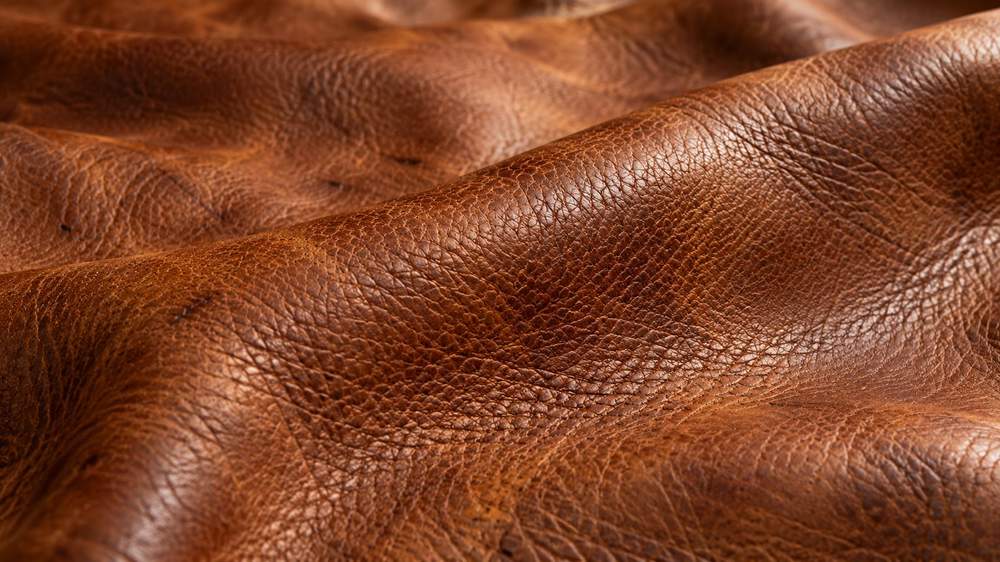
When a buyer compares quotations for premium footwear, the most decisive line item is usually the upper material. Full grain leather sits at the top of the hide hierarchy, yet many sourcing teams still receive samples labeled simply as genuine leather, a term that describes a layer of the hide rather than a quality promise.
Aurevia, an exporter of premium leather shoes and fashion accessories for global B2B buyers, grades every hide before it reaches an OEM cutting table. This guide explains how that grading works, which tannages sit behind each grade, and what the differences mean for cost, lead time and the final look of an OEM order.
What Full Grain Leather Actually Is
Full grain leather is the outermost layer of a hide, kept intact with its pores, grain pattern and natural markings. Nothing is sanded away and no texture is printed on top, so the surface honestly records the animal's life: growth lines, small scars and a pebbled feel that cannot be imitated. That intact structure is also the strongest cut available, because the tightly packed fibers just beneath the surface carry the load every time a shoe flexes.
Top grain leather starts as the same hide but is lightly sanded to remove imperfections, while genuine leather usually means the split layer beneath, buffed and embossed into a uniform pattern. Full grain leather needs no correction, which is why it keeps its original strength, breathes normally and develops an even patina over the years. For a brand that promises premium quality, the gap between these grades is worth every minute of inspection.
Leather Tanning: Where Quality Is Locked In
Grading starts long before cutting; it starts with leather tanning. Raw hides arrive at the tannery perishable, and tanning converts them into a stable material that resists decay, heat and water. Chrome tanning takes only days and gives a soft, consistent hand feel, while vegetable tanning takes weeks and produces a firmer, more characterful surface. Aurevia assigns tannages per style rather than per price: supple chrome-tanned cowhide for a dress pump, firmer stock for structured brogues.
How Aurevia Grades Hides for OEM Shoe Orders
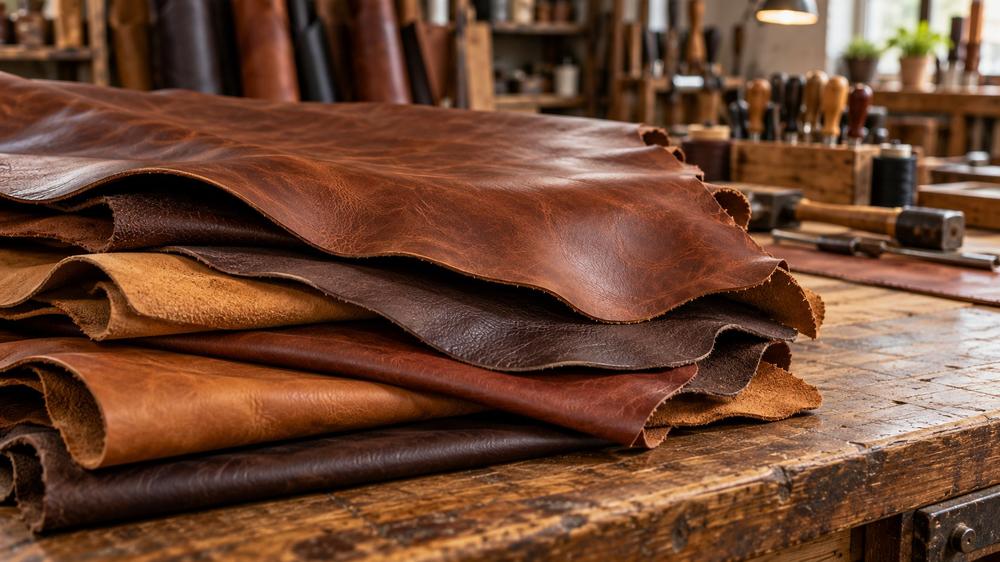
Before an OEM order is quoted, Aurevia sorts incoming hides into three working grades. Grade A shows a clean, even grain suitable for visible panels such as vamps and quarters. Grade B carries light marks that can be placed under stitching lines, perforations or brogue detailing. Grade C is reserved for internal components like heel counters and reinforced backings. This grade-to-placement mapping lets a buyer keep the visible upper in full grain leather while controlling cost.
Each hide is judged on four written criteria: the number and size of visible marks per panel, thickness against the style's specification, color evenness, and temper, meaning how the leather flexes in the hand. Trained graders apply this checklist at receiving, before a hide is allocated to a style. The same four criteria are printed in the specification sheet attached to every Aurevia quotation, so a buyer can verify bulk shipments against the exact standard quoted, not just a sample.
Construction is graded too. Styles built around a goodyear welt, where the upper is stitched to a strip that can later be resoled, demand thicker, tighter stock than cemented shoes, because the welt seam stresses the edge of the hide. Aurevia matches grade, thickness and construction at the quotation stage, and the quotation's material line names all three, so two Aurevia quotations can be compared like for like. If a buyer requests a different grade, the price changes and the reason is stated.
Where to See the Grade in Real Products
The grading shows up across Aurevia's published range. The Brown Leather Ankle Boots are built on soft cowhide with the grain intact, chosen because the untouched surface keeps a clean look across the vamp. The Dark Brown Full Brogue Shoes concentrate stitching and perforations where lighter marks would otherwise show, using Grade B panels. The Black Leather Classic Pumps are cut from hides matched for grain direction, color and thickness, so both shoes read as one continuous surface.
Buyers who want to compare grades across genders can browse the full men's leather shoes and women's leather shoes ranges, where the same grading discipline applies from formal to casual constructions.
What the Grade Means for Cost and Lead Time
Grade affects both lines of a quotation. Higher grades yield fewer usable panels per hide, so visible-uppers-only styles cost more per pair than designs that place Grade B under detail work; the direction is always the same even though exact numbers depend on the design. Tanning drives lead time: chrome-tanned stock can be processed within days of arrival, while vegetable-tanned stock needs weeks of pit time, which is why Aurevia confirms the tannage and its schedule before an order is booked.
Buying Advice for B2B Buyers
- Ask the supplier to state the grade and layer of the upper in writing; full grain leather should be named as such, never described vaguely as genuine leather.
- Request a photograph of the cut edge: an intact grain shows a tight, continuous fiber line, while corrected or split stock shows a looser, fuzzy cross-section.
- Ask for the grading checklist behind the quotation, and verify bulk shipments against it rather than against memory of the sample.
- Approve finished pairs rather than swatches alone, since grading is easiest to judge on a completed shoe.
Questions Buyers Ask Before Ordering
Is full grain leather always the right choice for an OEM order?
Not always, and a responsible supplier will say so. Full grain leather rewards designs with clean, visible panels, while heavily detailed styles can hide Grade B marks and reduce material cost without hurting the finished look. Aurevia recommends a grade after reviewing the design, the construction and the target retail price together.
What is a goodyear welt, and does every premium shoe need one?
A goodyear welt is a stitching method that joins the upper, insole and a welt strip, allowing a cobbler to resole the shoe years later. It signals durability, but it also needs thick, high-grade stock, so it suits boots and dress shoes more than soft flats. The right answer depends on the product's use, not on the label.
How does leather tanning affect my order?
Tanning determines how the upper feels, how it ages and how it behaves in different climates. Chrome-tanned stock is soft and consistent; vegetable-tanned stock is firmer and develops more character. Aurevia confirms the tannage in the material specification sheet of every quotation, so buyers know exactly what they are buying.
Plan Your Next Order with the Grade in Writing
Full grain leather is not a luxury slogan; it is a specific layer of the hide with verifiable properties, and it should appear as a specific line in your OEM quotation. Send Aurevia your design, target market and quantity, and the material recommendation will state the grade, the tannage and the construction in plain terms, so the shoe you approve in the sample room is the shoe that arrives in bulk.
Ready to specify materials for your next collection? Contact Aurevia with your designs and target market, and request a material recommendation with the grade and tannage named in writing.