A development-side guide for buyers building wedge sandal programs with a Chinese factory: last development, braided strap craft, bulk QC checkpoints and seasonal planning.
Wedge sandals sell year after year because the construction works: a raised heel built into the sole unit gives height without the pressure points of a stiletto. But for a B2B buyer, that same construction is where most quality problems start — wedges that twist, soles that separate, or a silhouette that changes between the sample and the bulk run. If you are developing a wedge program with a Chinese manufacturer, this is what to align on before the purchase order.
Last development comes first
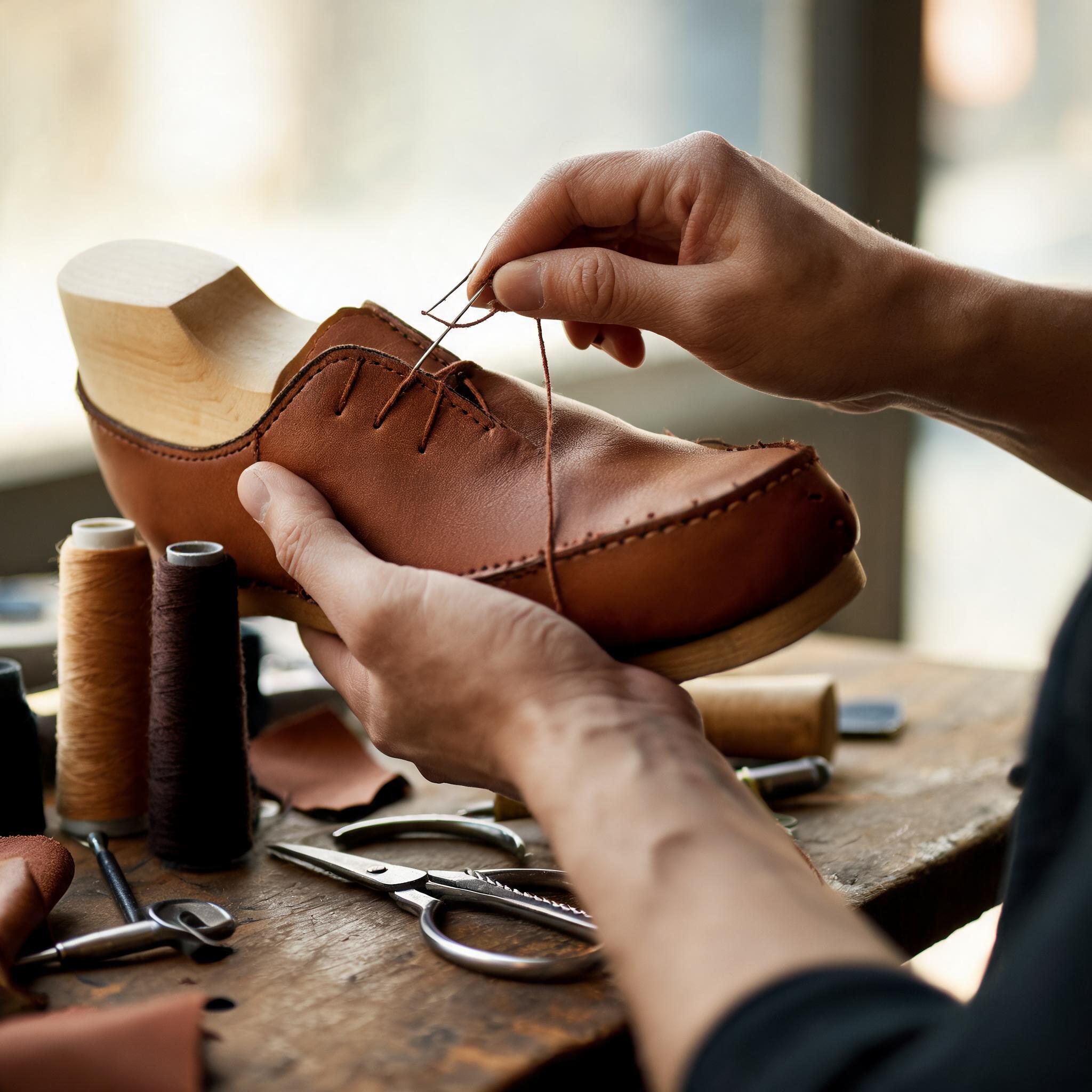
The last is the foot-shaped form the shoe is built around, and for wedges it decides both fit and the angle of the sole. Get three things confirmed in writing:
- Heel height and platform: a "9 cm wedge" with a 2 cm platform walks differently from a full 9 cm rise. Specify both numbers, measured on the finished last.
- Fit width: European and North American fits differ. If you sell in both, ask whether one last serves both or whether you need two.
- Sample references: an in-house design and pattern team should be able to turn your sketch or reference pair into a production-ready last and sample. Confirm who owns the tooling after development.
A supplier with its own pattern team can iterate a last faster than one that outsources development, because last revisions do not wait on a third party's schedule. The exact timeline depends on style complexity and material confirmation, so agree on a sample schedule in the development plan rather than assuming a fixed number of days. Also ask how many sample rounds are included in the development fee — for a structurally complex new style, agree on the number of rounds in advance instead of assuming a fixed standard.
Braiding and upper craft
Braided straps are the signature detail of the espadrille-wedge category, and they are also the detail buyers most often under-specify. What to agree on:
- Braid width and density: a loose braid looks fine on a sample rack and loosens further after wear. Define strand count and finished width.
- Material: the same braid can be made in cotton, jute-blend or synthetic yarn. Confirm which one the price covers.
- Tension: ask for a braid tension check in the QC standard. Uneven tension shows as wavy edges in bulk photos.
For the sole unit, espadrille wedges typically wrap natural jute around a base — often with a rubber sole underneath for grip and durability. Specify both layers: jute wrap appearance for the shelf, rubber base for the wear test. A product like a jute-wrapped espadrille flat with a rubber-based sole is a useful reference construction to point to when aligning with a factory.
Bulk order QC: what to check for
When you build the QC standard for a wedge program, make sure it covers these recurring failure modes rather than relying only on a generic footwear checklist:
- Sole separation at the jute-to-base bond. Add a hand-pull check on every inspection, not just the first carton.
- Torque twist — the wedge twists sideways under walking load because the heel seat is too soft. A twist test on finished pairs catches this.
- Color drift across jute lots. Natural fibers vary between harvests; set a color standard and inspect against it mid-production.
- Size grading drift — the size 38 fits like the 37. Check one pair per size run at final inspection, on the last if possible.
Ask the factory at which stages inspection happens. Make sure the QC protocol defines sampling at incoming materials, construction mid-production, and finished shoes before packing — including how many pairs are pulled at each stage and what the acceptance criteria are, so the checkpoints can be written into the purchase order as inspection terms.
Planning the order around seasons
Wedges are spring-summer lines in Europe and North America, which means your production window is fixed. Work backward: allow time for last development, the agreed sample rounds, a pre-production sample in bulk material, and then bulk production with inspection before shipment. Ask the factory for a written timeline for each stage so you can plan your season realistically — compressing the pre-production stage is the most common cause of bulk disappointment, because the pre-production pair is your reference for every dispute. Never skip it.
Why manufacturing depth matters more than price per pair
Aurevia Footwear Co., Ltd., based in Quanzhou, China since 2011, runs its own cutting, stitching and lasting lines for leather footwear and supports OEM/ODM programs for buyers in Europe, North America and the Middle East. For wedge programs, that means last development, braid sourcing and bulk QC sit inside one factory rather than being split across traders — and repeat orders can be matched against the same approved samples and inspection records.
Start the development conversation
When you approach a manufacturer, send three things: your reference style or sketch, your target price band, and your first-season quantity. Ask back for a last development plan, a sample schedule and the QC standard they will inspect against. The quality of those three answers tells you more about the factory than any brochure.