
Chinese Shoe Makers: How Sourcing Teams Verify a Workshop Before the PO
Chinese shoe makers program documented at order level: last records per style, leather intake grading and finished-shoe checks kept per bulk run, so sourcing teams can verify the workshop before the PO, from 100 pairs per color.
Discuss this solution- Founded
- 2011
- Team
- 260
- Export markets
- Europe · North America · Middle East
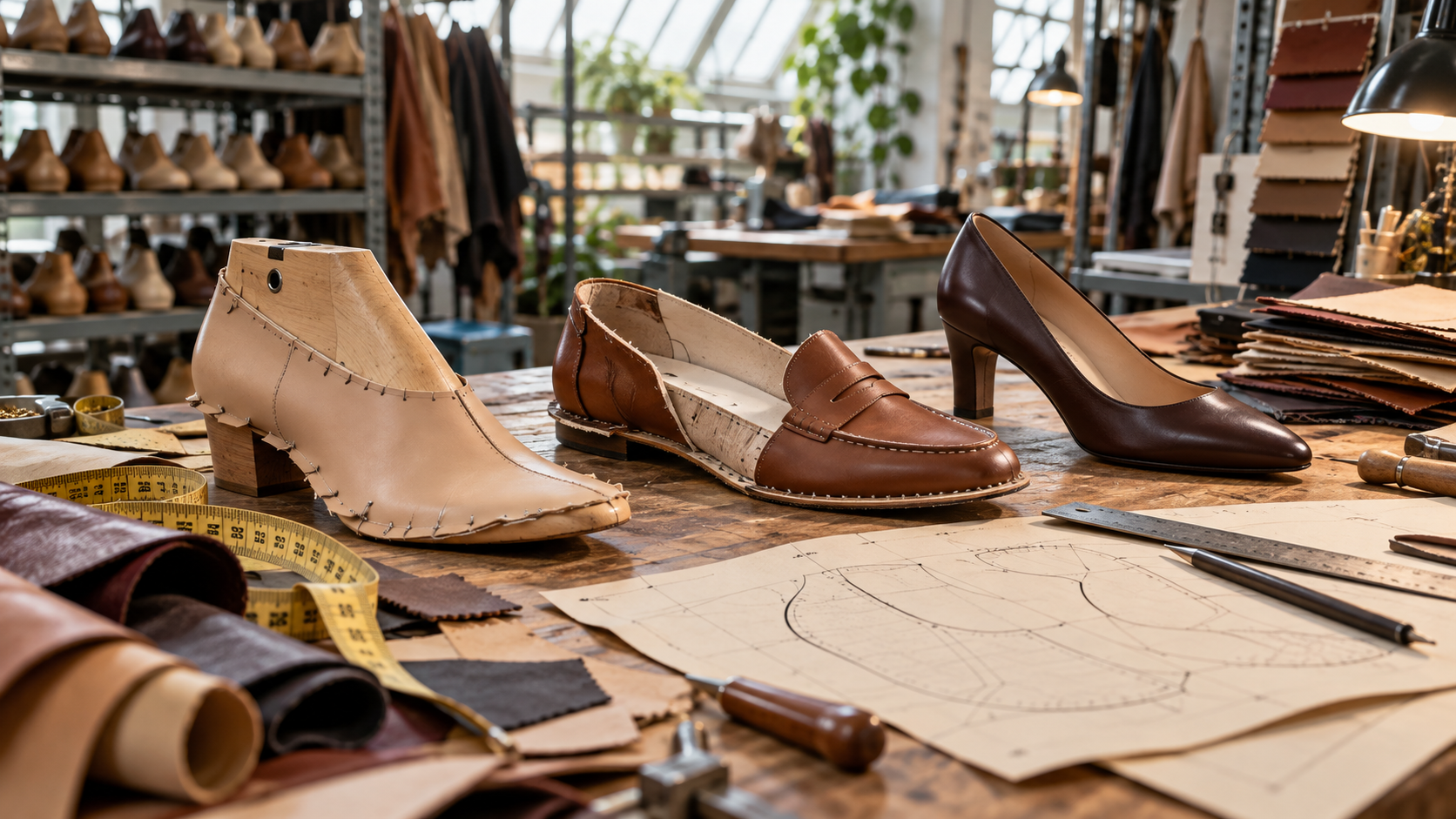
Buyer pain points & our technical solution
The pain: sourcing teams can compare prices from Chinese shoe makers, but not the way the shoes are actually made
When a sourcing team builds a supplier panel from Chinese shoe makers, every quotation looks similar and every website claims the same craft. What the team cannot see from a quotation is the part that decides the reorder: whether the maker keeps last records per style, whether leather is graded at intake or accepted as delivered, and whether the sample that won the tender has any documented relationship to the bulk run that ships four months later. Without those records, the panel is chosen on price and hope, and the first reorder is where the differences appear.
Our solution: a workshop whose records answer the questions quotations cannot
Our Quanzhou workshop, producing since 2011, treats documentation as part of the shoe: leather is graded at intake per lot, construction review covers lasting and sole attachment, and finished-shoe checks are recorded per bulk run. Last geometry and pattern records are kept per style, so a reorder starts from the same standard as the original approval. Dress and casual lines start from 100 pairs per color as listed on each product page, so sourcing teams can trial one style before consolidating a panel. The value for the buyer is a maker whose claims can be checked line by line against its own order file.
Purchase decision helper
Select your requirements — we match them against our current published products and program rules.
Select options above to see matching products.
Matches are based on our current published catalog only.
Customer cases
Case — a UK retail group moved its dress line to a workshop that records the last
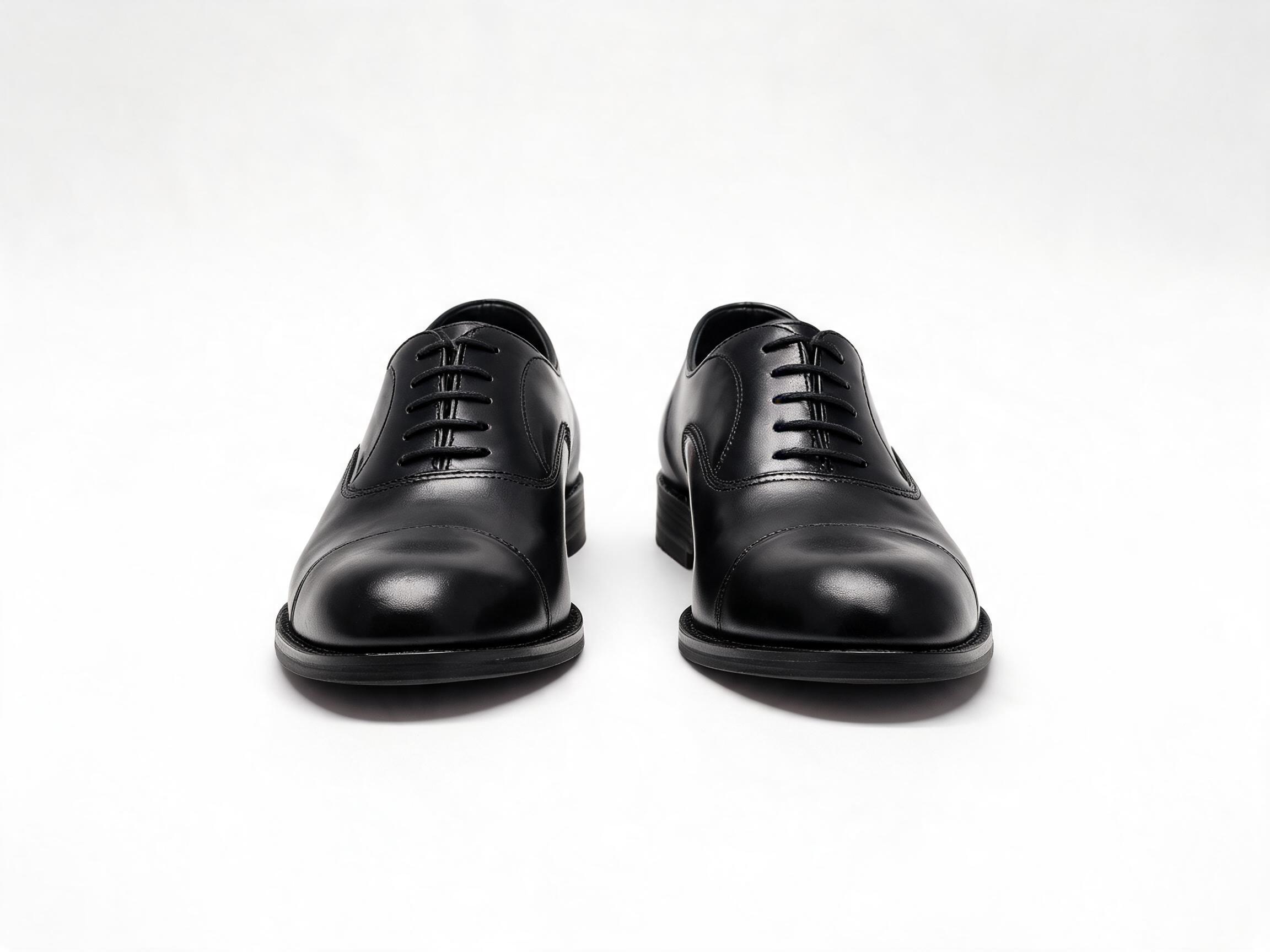
Who: a UK retail group re-tendering its men's dress line ahead of a store expansion. What we delivered: an oxford and derby program where last geometry, leather grading and size-set fit checks are recorded per run, from 100 pairs per color. Problem solved: its previous maker changed the last between seasons without notice, so core sizes fit differently after reorders. Before: the group discovered the fit change from customer returns, not from the supplier. Now: last records ship with each order and reorder fit was not flagged in the last two seasons, per the program record. Data source: buyer cooperation record in our backend partner archive, also referenced on our case page.
Case — a Canadian menswear brand sampled three makers and consolidated with one
Who: a Canadian menswear brand running a supplier trial across three shortlisted workshops. What we delivered: sample pairs for two dress styles on the recorded spec, each with intake leather grading and construction notes attached. Problem solved: the brand's comparisons kept failing because none of the samples came with documentation it could check. Before: three sample sets sat in a drawer because nobody could tell which differences were process and which were luck. Now: the brand consolidated with the workshop whose records matched its checklist, per the cooperation record. Data source: buyer cooperation record in our backend partner archive.
Case — a German distributor audited its maker list down to two suppliers
Who: a German footwear distributor reviewing its Chinese supplier panel for an annual audit. What we delivered: access to the per-order check records — intake grading, construction review and finished-shoe checks — for the two dress styles it carries. Problem solved: the audit previously relied on certificates that did not describe what happened to its own orders. Before: the audit team had no order-level evidence and flagged the panel as high risk. Now: the two remaining suppliers both provide per-order records, per the audit note in the cooperation file. Data source: buyer cooperation record in our backend partner archive.
Related products
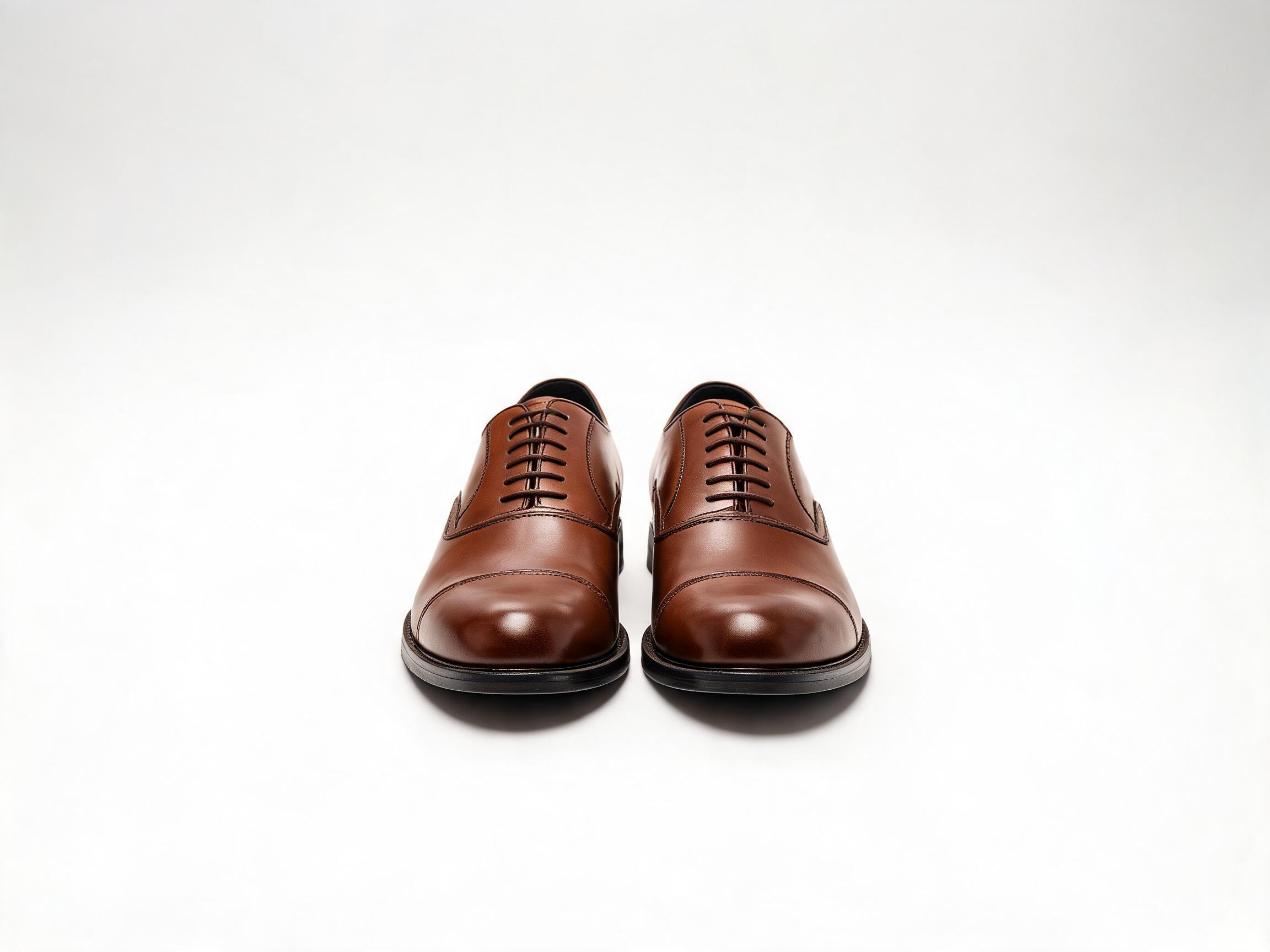
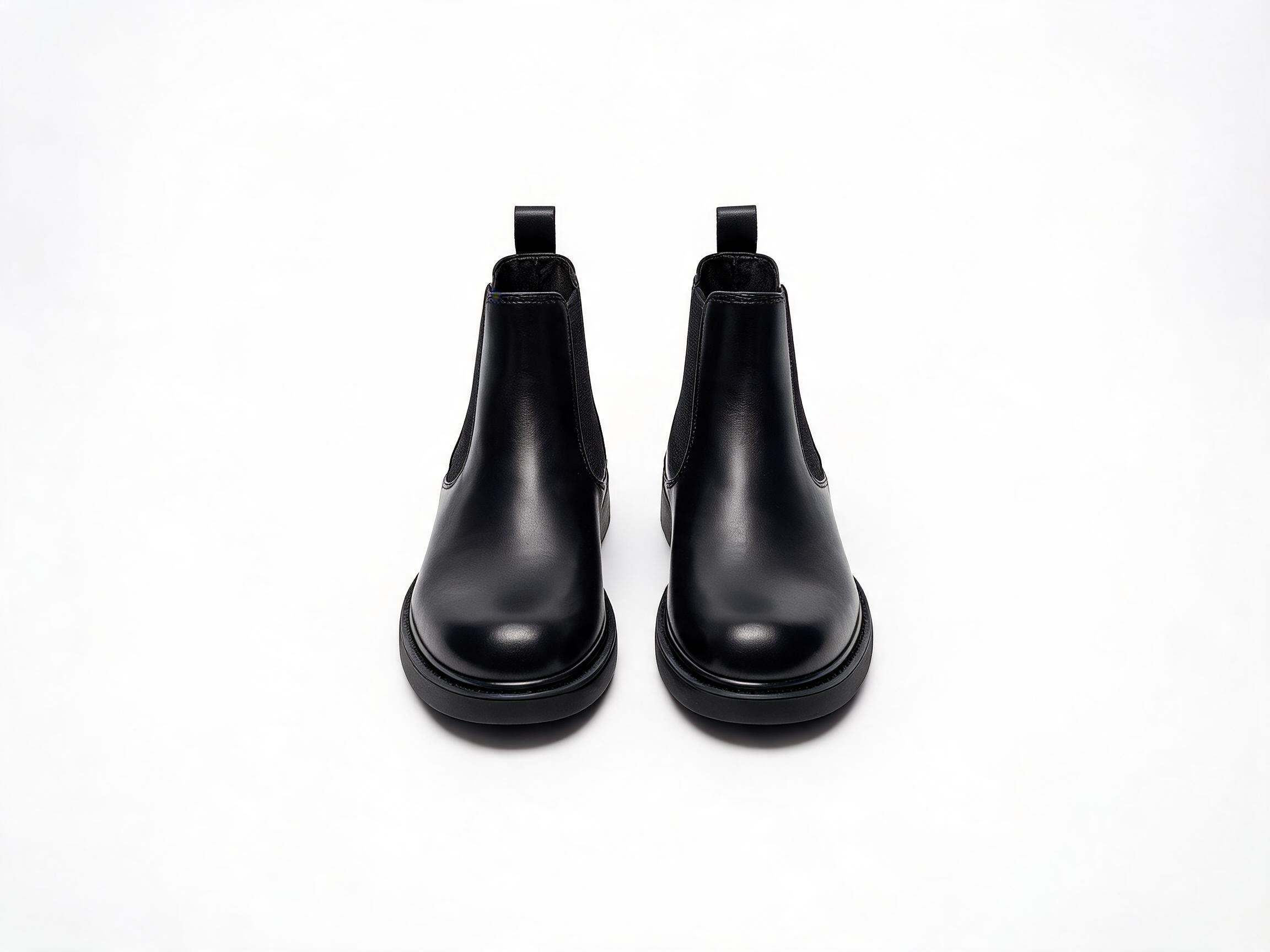
Reviews & ratings
★★★★★
Scene: dress-line re-tender run by a UK retail group's central sourcing office.
Verdict (record excerpt): “Last records per style are the simplest thing on the list and the rarest — it made the re-tender decision easy.”
Verifiable result: no reorder fit flags recorded in the last two seasons, per the program record.
Source: buyer cooperation record (Sarah, Sourcing Manager, North American retail chain cooperation file), Aurevia partner archive
★★★★★
Verdict (record excerpt): “Per-order records turned our annual audit from trust exercise into a checklist — that is why the panel stayed at two.”
Scene: annual supplier audit run by a German footwear distributor across its Chinese panel.
Verifiable result: the supplier panel was reduced to two makers, both with per-order records, per the audit note in the cooperation file.
Source: buyer cooperation record (Omar, Distribution Partner, Middle East distributor cooperation file), Aurevia partner archive
★★★★☆
Scene: three-workshop sample trial run by a Canadian menswear brand before consolidation.
Verdict (record excerpt): “The attached construction notes were the only samples anyone could actually compare; the shoes were good, the paperwork was better.”
Verifiable result: the trial ended with one maker consolidated from three, per the cooperation record.
Source: buyer cooperation record (Michael, Purchasing Director, European footwear importer cooperation file), Aurevia partner archive
Certificates & quality evidence
- Recorded checks: every order from our workshop passes leather intake grading, construction review and finished-shoe checks against international quality standards; results are kept per material lot and per bulk run in the certificate archive.
- Verifiable on request: the inspection checklist and the spec sheets behind the published dress styles can be requested before signing; we provide what exists and state clearly what does not.
- Honest boundary: we record what our own production does, not industry badges; where a market requires a certification we do not hold, we say so in the inquiry instead of borrowing a logo.
Company strength
- Founded: 2011, based at No. 88 Jinjiang Industrial Zone, Quanzhou, Fujian, China.
- Team & factory: a 260-person team running sampling, cutting, stitching and QC from a modern footwear production workshop; dress lines start from 100 pairs per color as listed on each product page.
- R&D: an in-house design team and pattern makers maintain last records, pattern archives and a material library covering smooth calf, burnished grain and boot leathers.
- Capacity: dress programs run on one audited production plan with intake, construction and finished-shoe checks recorded per order.
- Partners: North American retail chains, European footwear importers and Middle East distributors.
- Export markets: Europe, North America and the Middle East.
FAQ
How do we verify a Chinese shoe maker before issuing a PO?
Ask for order-level records, not only certificates: leather intake grading, construction review and finished-shoe checks for the styles you will actually buy. Ours are available on request, and we state plainly which checks exist and which do not.
What MOQ applies when trialing a new maker?
Dress lines start from 100 pairs per color as listed on each product page, which lets sourcing teams trial a workshop on one style before consolidating a panel.
Can you match a sample pair we already approve?
Send the pair or its spec in the inquiry; the last geometry, leather and construction are compared against our recorded standards and confirmed through sampling before bulk.
Which product categories can your workshop cover?
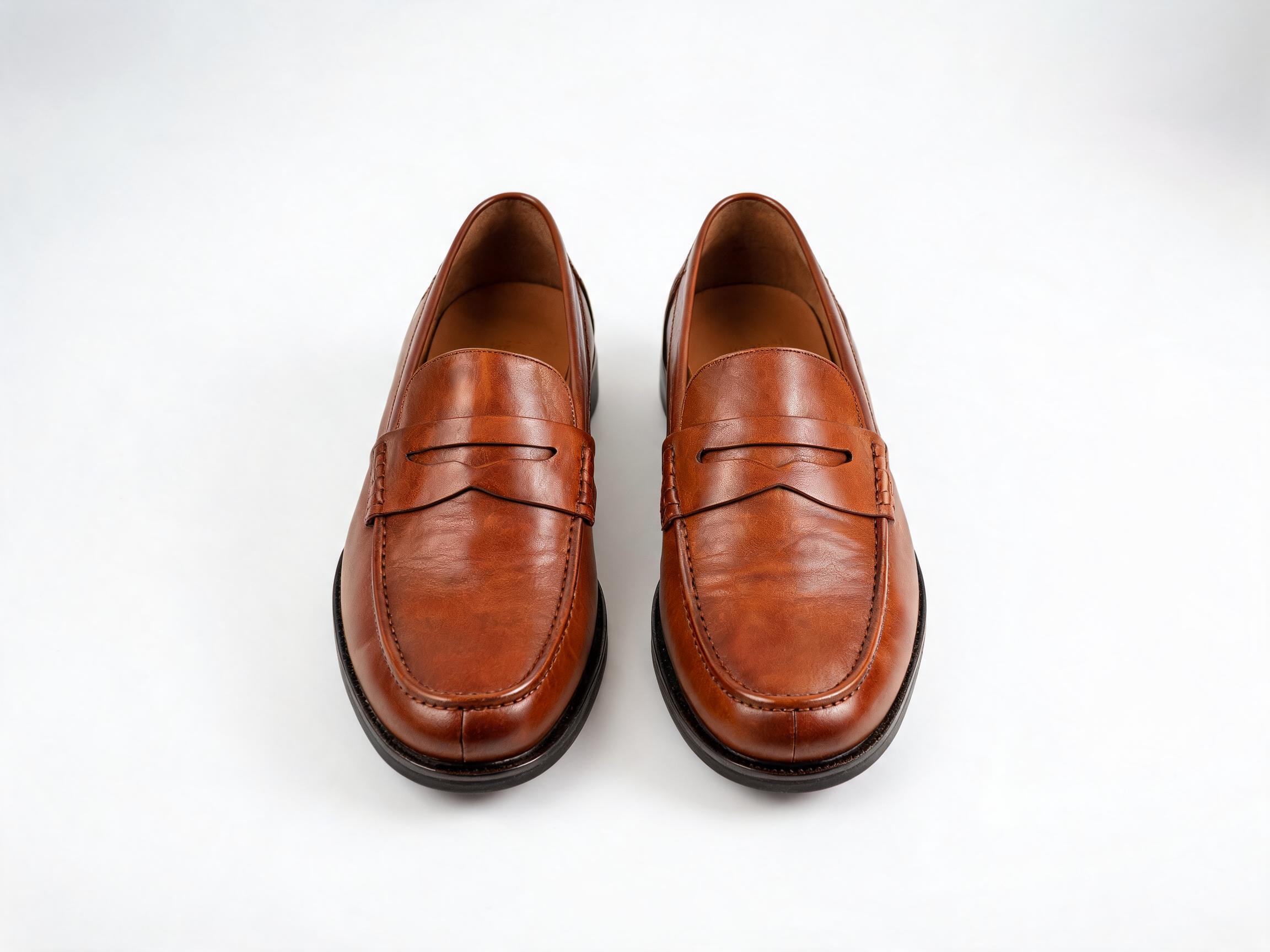
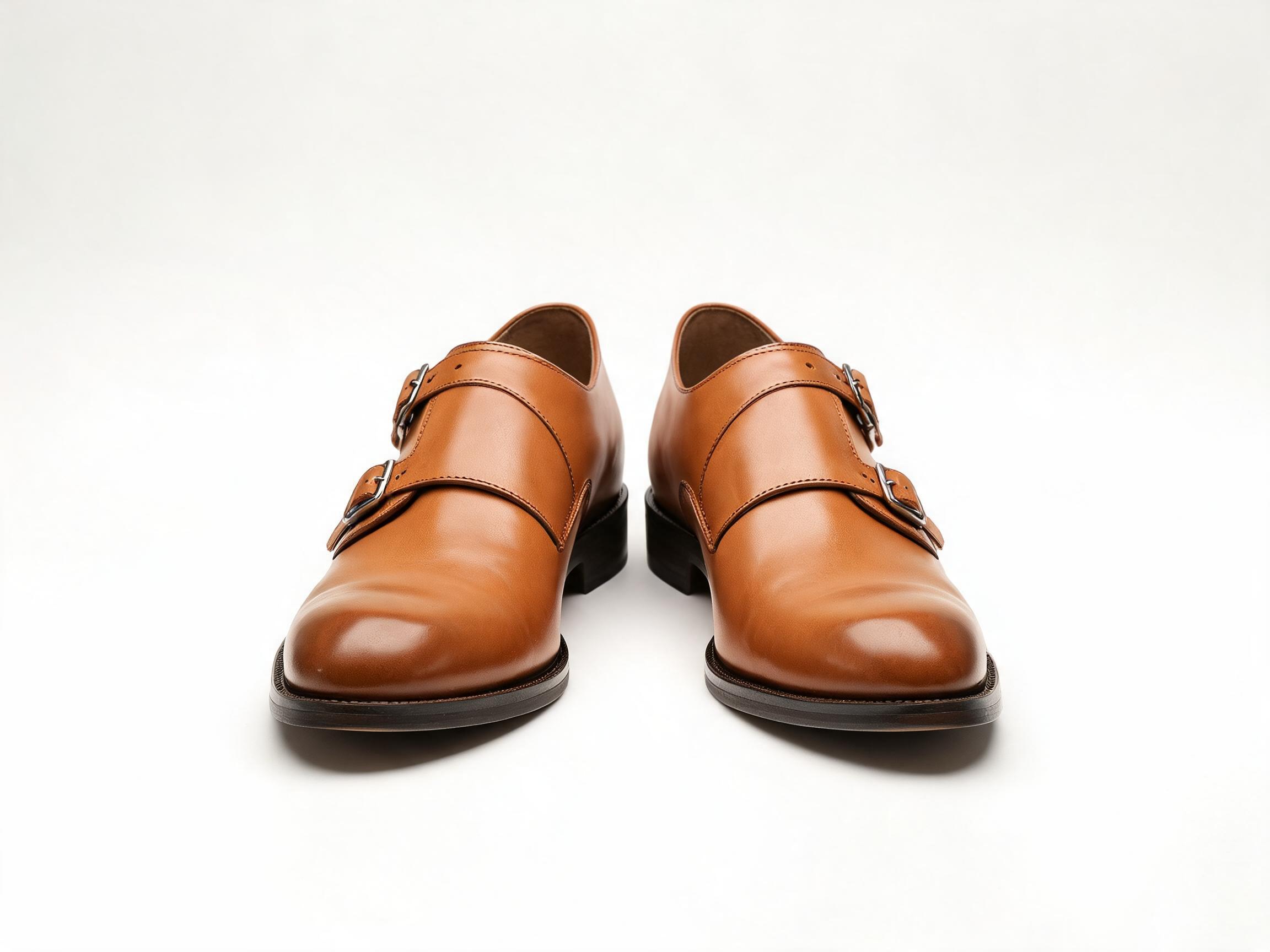
The recorded material library covers dress shoes, loafers, boots, sneakers, heels and flats as published on the product pages; anything outside it is confirmed honestly through the inquiry rather than promised in advance.
Request a solution quotation
This inquiry carries the current solution page context, so our team can answer with the right program details.