
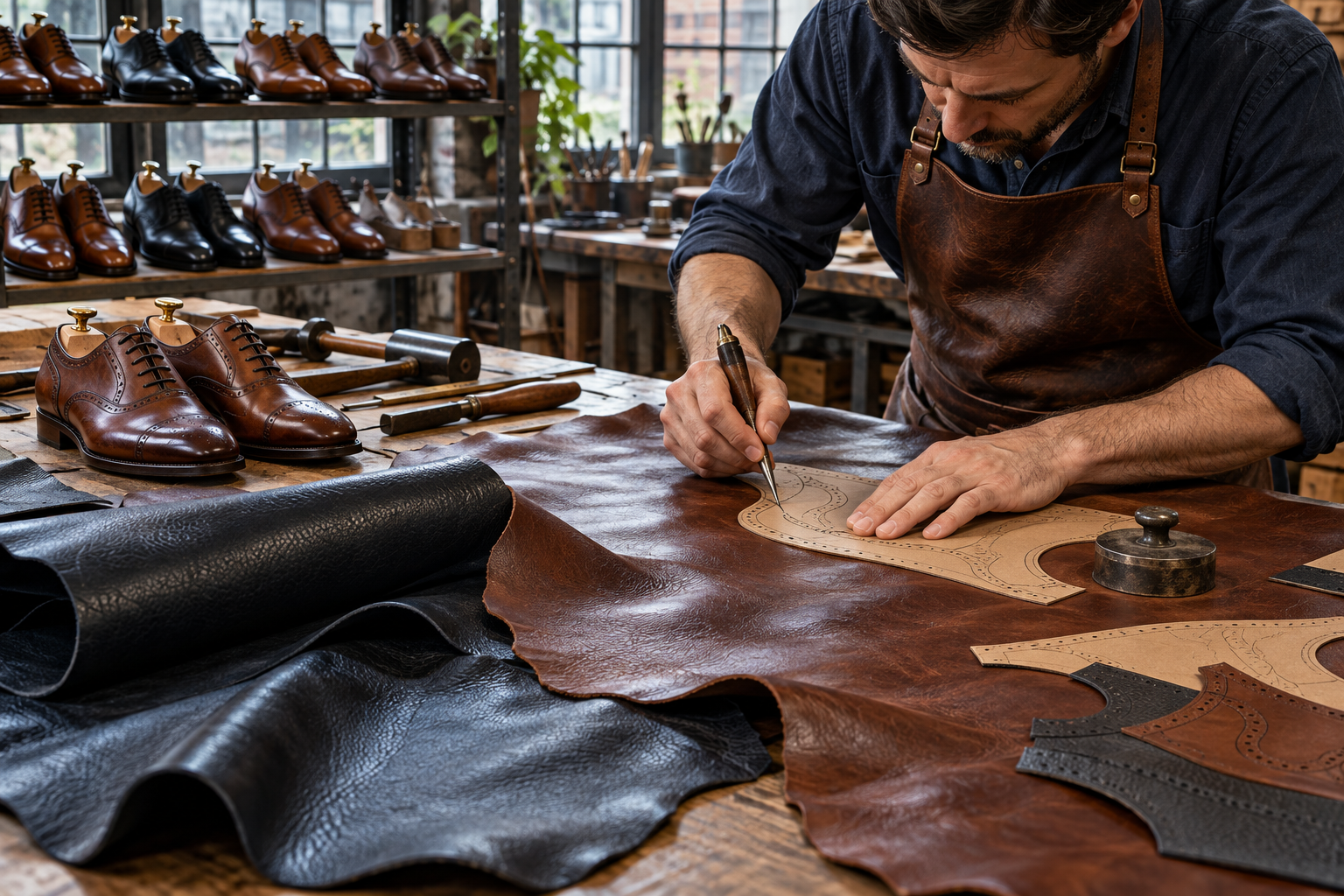
Genuine Leather Shoes Manufacturers: Graded at Intake, Locked at Confirmation
Genuine leather manufacturing on a recorded chain: hide grading at intake, burnish locked at material confirmation, construction checked per bulk run. MOQ 100 pairs per color. OEM/ODM.
Purchase decision helper
Select your requirements — we match them against our current published products and program rules.
Select options above to see matching products.
Matches are based on our current published catalog only.
Buyer pain points & our technical solution
The pain: leather quality that only shows up after cutting
Buyers specifying genuine leather dress shoes carry a risk that hides until it is expensive: grade gaps, finish drift and sole behaviors that differ between deliveries. When leather is judged only on the finished pair, a grade problem is discovered after the material is already consumed — and a finish that drifted between bulk runs makes one range read like several. The coordination cost lands on the buyer's desk as claims, re-approvals and a season that starts late.
Our solution: grading at intake, finish locked at confirmation
We build genuine leather footwear on a recorded chain: hides are graded against the approved reference per batch at intake before cutting, the burnish and finish reference is confirmed at material confirmation before bulk, and construction — stitched soles, buckle hardware, slip-on builds — is checked at construction review per run, with finished-shoe checks against international quality standards before shipment. Oxfords, derbies, brogues, monks, loafers and chelseas all run on the same spec discipline, from 100 pairs per color as listed per style. For the buyer this means leather behavior that repeats, and a range that reads as one collection season after season.
Customer cases
Case — a heritage menswear line locked its burnish at the material stage
Who: a boutique menswear brand building a heritage dress line of brogues and monk straps. What we delivered: a genuine-leather program with the burnish reference confirmed at material confirmation, before bulk. Problem solved: the previous factory's finish drifted between runs, so the range aged inconsistently on the shelf. Before: burnish was judged only on the finished pair, when re-tanning was impossible. Now: the material-stage reference carried through re-orders, and the line re-ordered without a finish dispute, per the program record. Data source: buyer cooperation record in our backend partner archive.
Factory process case — leather grading recorded at intake
Who: our material intake team. What is used: hide grading against the approved leather reference is recorded per batch at intake, before cutting. Problem solved: grade gaps found after cutting waste panels and compress margins. Before: leather quality was judged on finished pairs, after the material was already consumed. Now: intake grading results sit in the order file per batch. Data source: factory QC workflow records (company capability record: Inspection Before Shipment).
Case — a corporate program standardized on two dress builds
Who: a European corporate uniform supplier buying oxford and derby builds for professional staff. What we delivered: two constructions on one leather spec with stitched soles, ordered at the listed minimum per color. Problem solved: mixed suppliers produced different sole behaviors across the same uniform. Before: staff wore visibly different shoes under one dress code. Now: both builds ship on one spec file and one inspection standard, per the program record. Data source: buyer cooperation record in our backend partner archive.
Related products
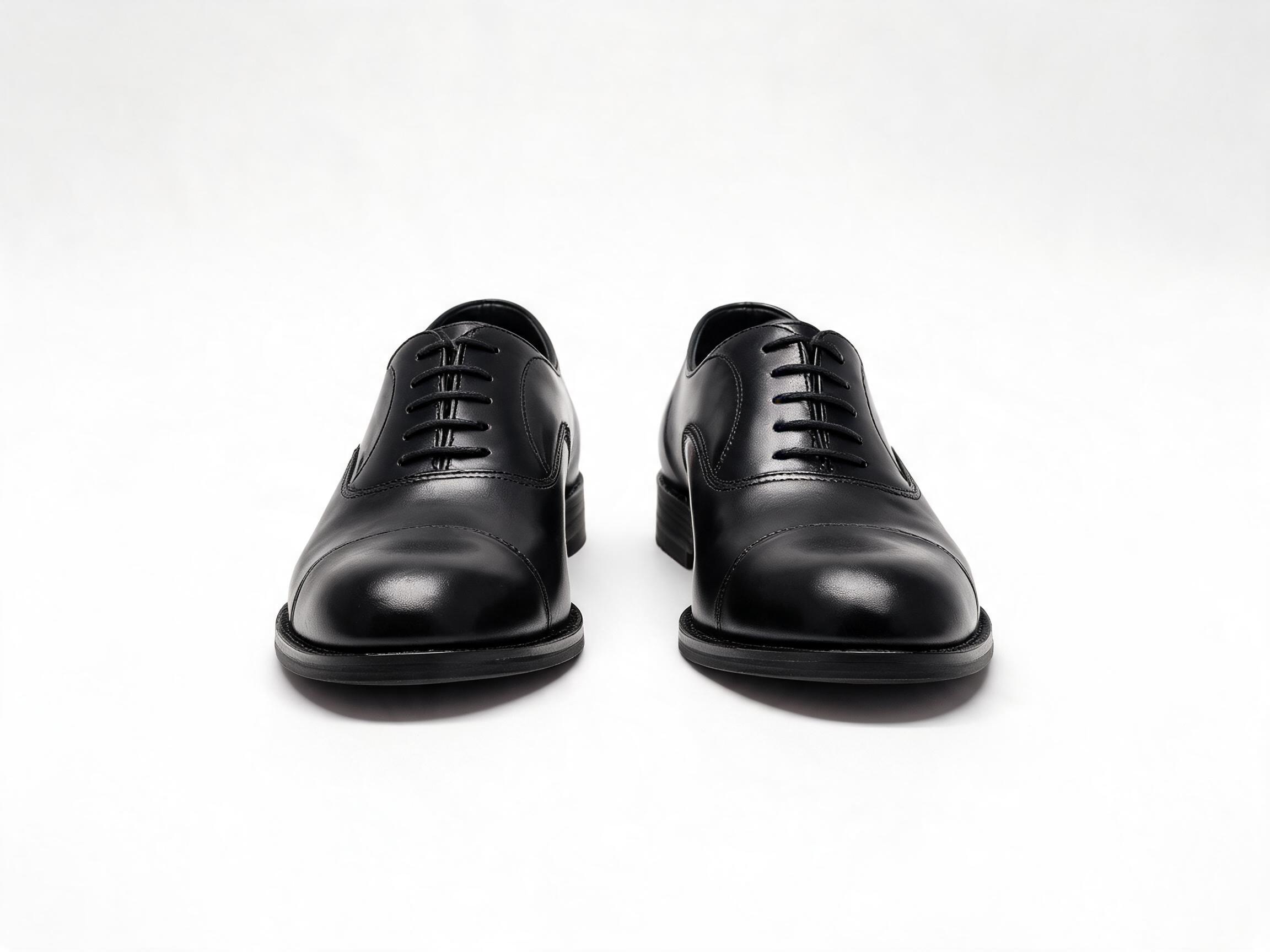
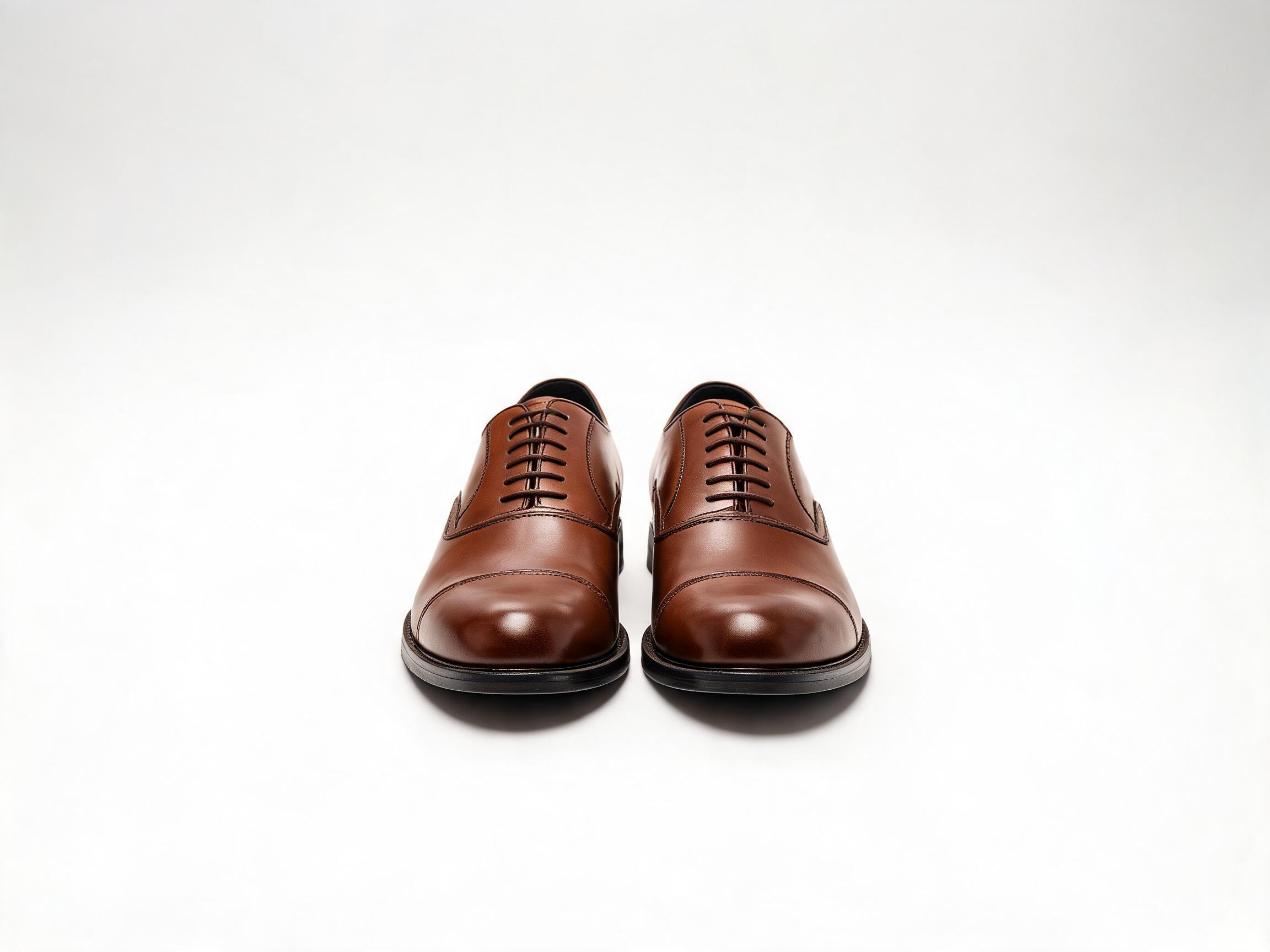
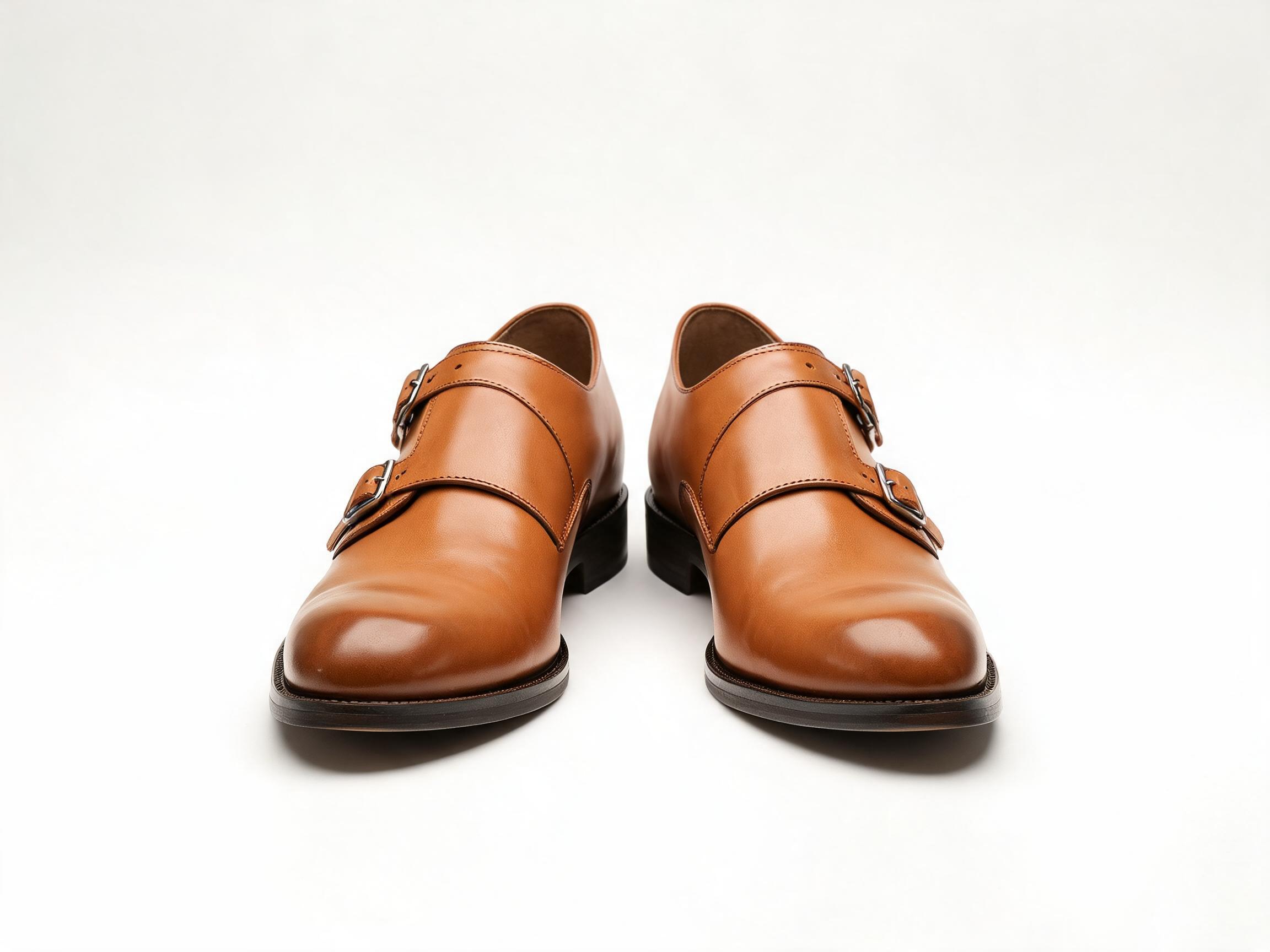
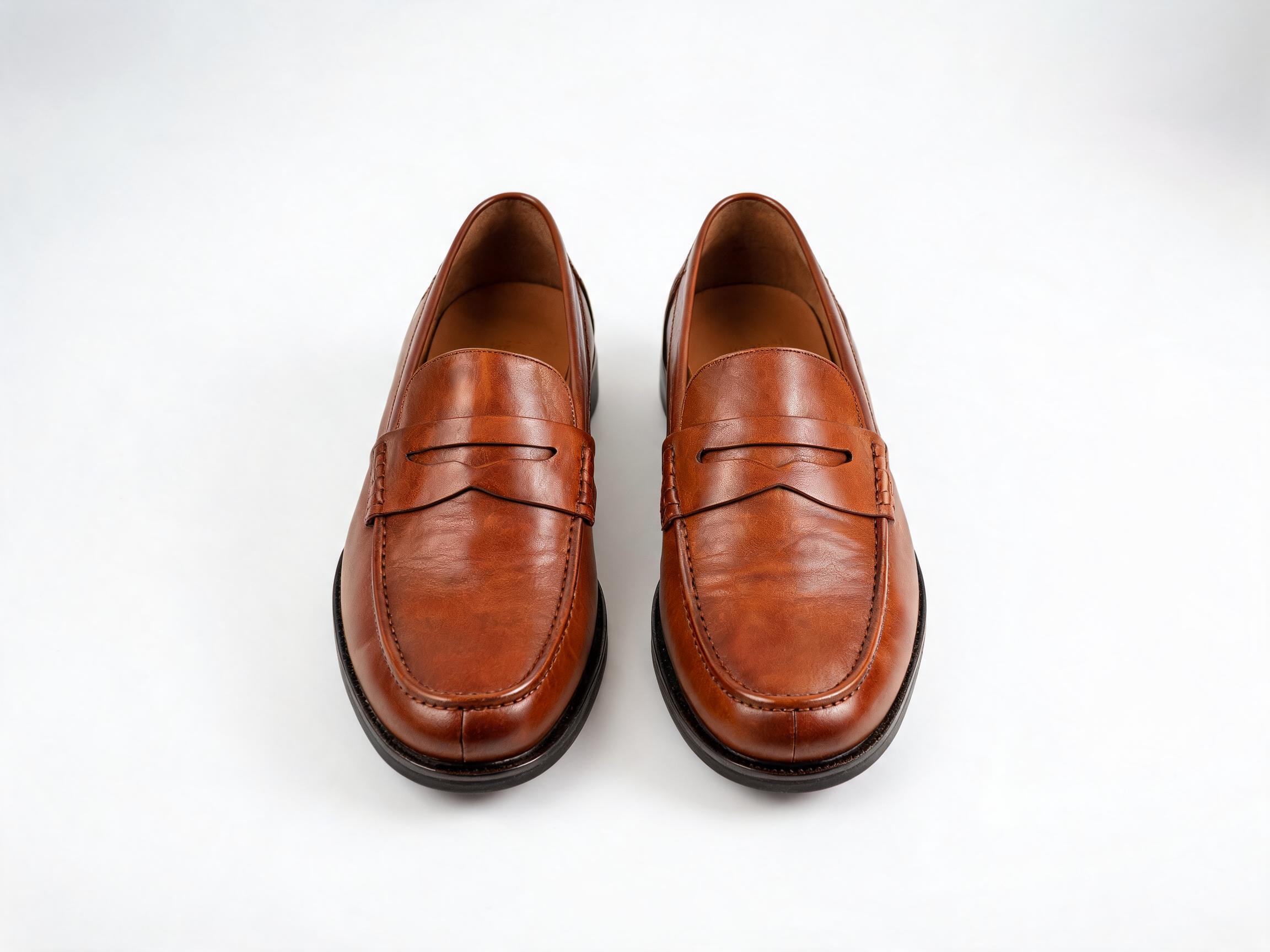
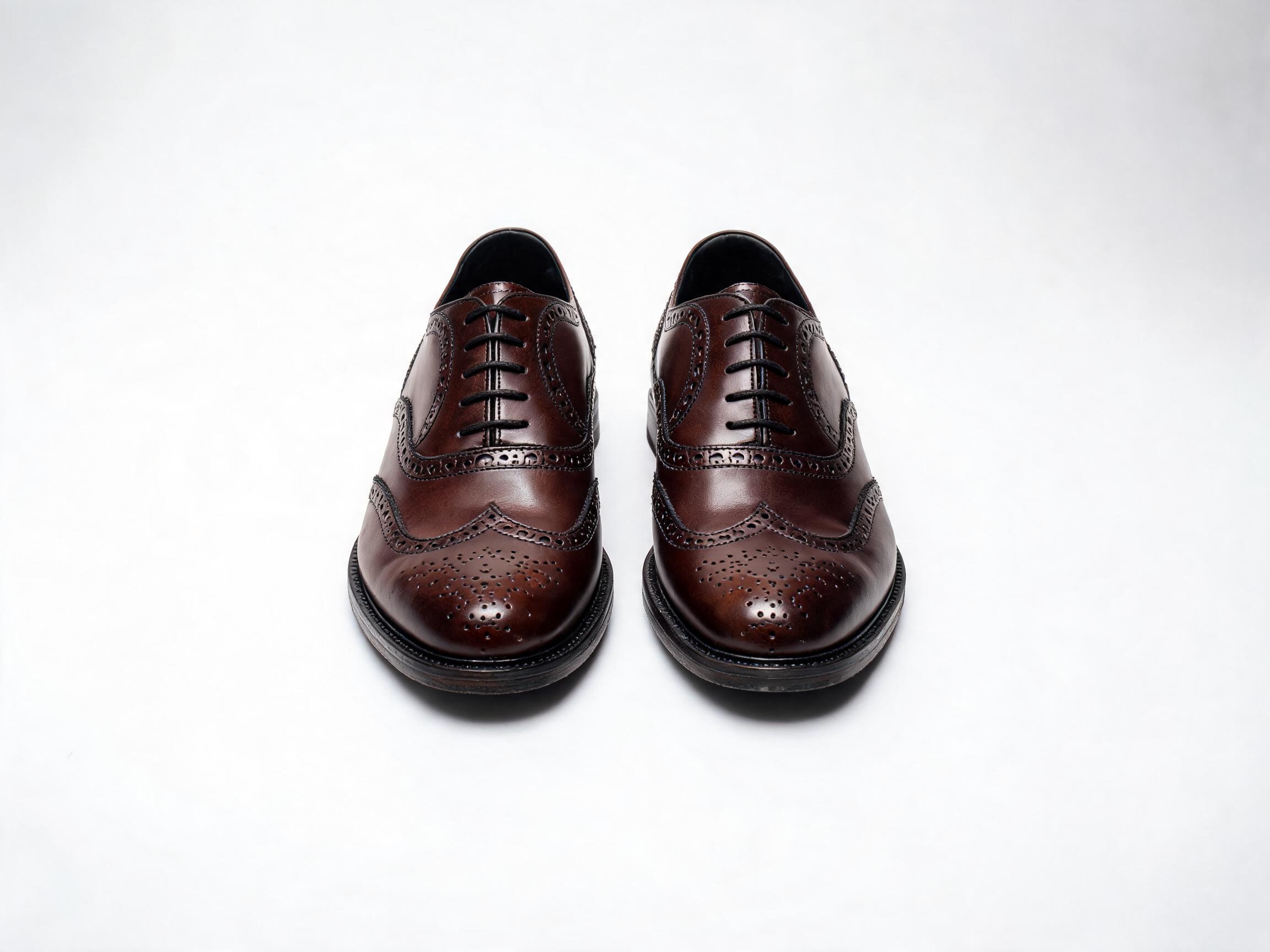
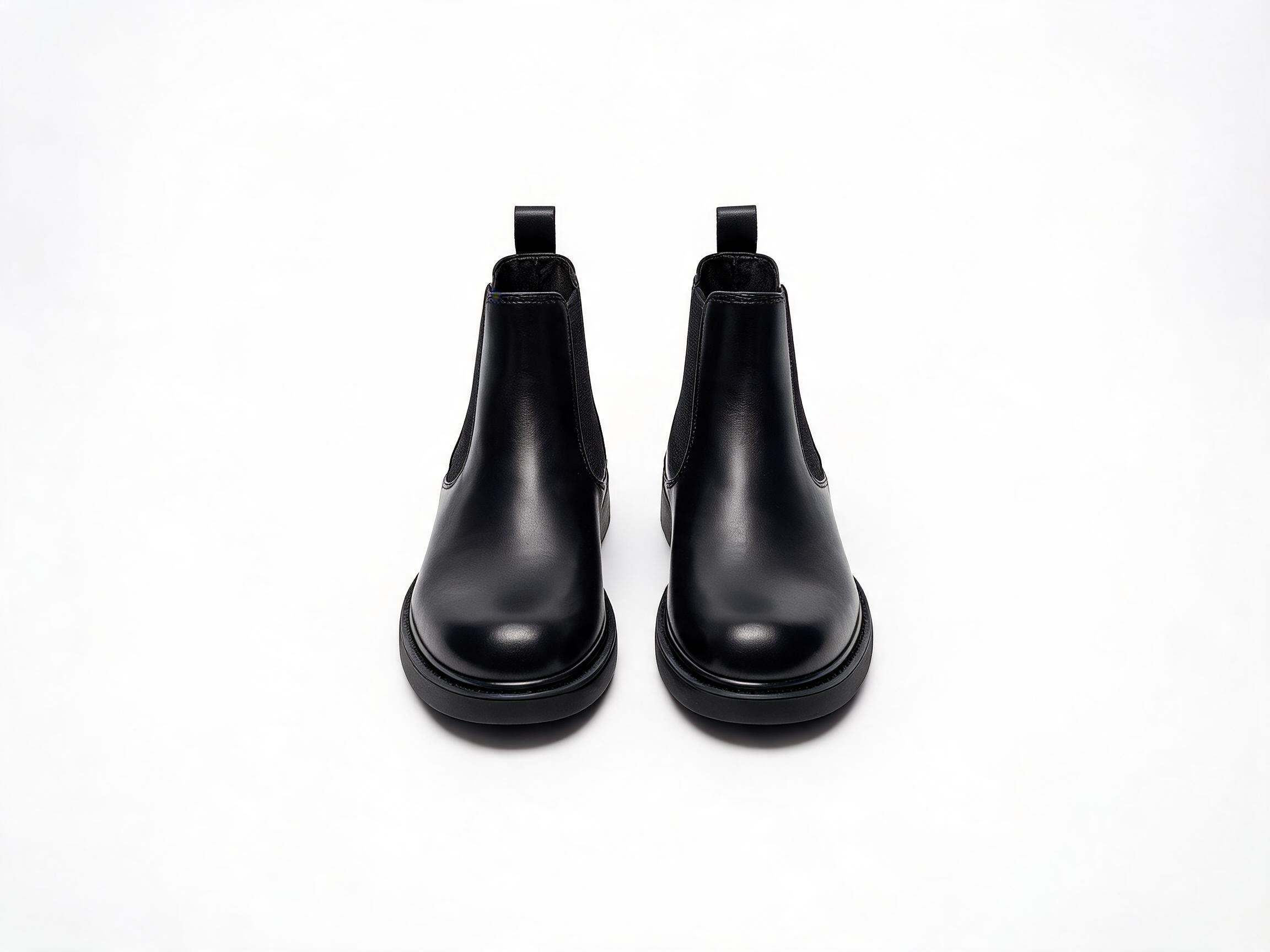
Reviews & ratings
★★★★★
Scene: a dress line bought through a retail chain's menswear program.
Verdict (record excerpt): "The leather grade was settled at intake, not discovered in our stockroom."
Verifiable result: three re-orders shipped without a leather claim recorded, per the program record.
Source: buyer cooperation record (Sarah, Sourcing Manager, North American retail chain), Aurevia partner archive
★★★★★
Scene: a genuine-leather range sourced through a European importer for professional wear.
Verdict (record excerpt): "One leather spec covered oxfords and derbies — the uniform finally looked uniform."
Verifiable result: five years of corporate re-orders on the same spec file, per the cooperation record.
Source: buyer cooperation record (Michael, Purchasing Director, European footwear importer), Aurevia partner archive
★★★★★
Scene: a leather dress range ordered through a distributor channel for Gulf retail.
Verdict (record excerpt): "The burnish reference held across the season — our shelves stopped explaining color."
Verifiable result: zero finish-related claims recorded across two seasons, per the order file.
Source: buyer cooperation record (Omar, Distribution Partner, Middle East distributor), Aurevia partner archive
Certificates & quality evidence
- Recorded checks: every leather order passes material intake, construction and finished-shoe checks against international quality standards; hide grading and construction results are kept per order in the certificate archive.
- Verifiable on request: the inspection checklist and the leather spec behind your program can be requested before signing; we provide what exists and state clearly what does not.
- Honest boundary: we build on commercially available genuine leather and record grading as received; we do not claim tannery certifications, exotic-leather licenses or chemical-test results we cannot evidence — request current documentation through the inquiry.
Company strength
- Founded: 2011, based at No. 88 Jinjiang Industrial Zone, Quanzhou, Fujian, China.
- Team & factory: a 260-person team running sampling, cutting, stitching, lasting and QC from a modern footwear production workshop; leather programs start from 100 pairs per color as listed per style.
- R&D: an in-house design team and pattern makers maintain last records, construction specs and burnish references per program.
- Capacity: leather builds run on one audited production plan with intake and finished-shoe checks recorded per order.
- Partners: North American retail chains, European footwear importers and Middle East distributors.
- Export markets: Europe, North America and the Middle East.
FAQ
What MOQ applies to a genuine leather program?
Leather styles start from 100 pairs per color as listed per style. Confirm the figure for your styles in the inquiry.
How do you keep the finish consistent across re-orders?
The burnish reference is confirmed at material confirmation before bulk and carried in the program record across re-orders.
Can we choose construction types?
Current published styles cover stitched soles, buckle hardware and slip-on builds; other constructions are confirmed through sampling in the inquiry.
Do you provide leather documentation?
We provide what our records cover — grading and inspection documentation — and state clearly what we do not hold; request current documentation in the inquiry.
Request a solution quotation
This inquiry carries the current solution page context, so our team can answer with the right program details.