
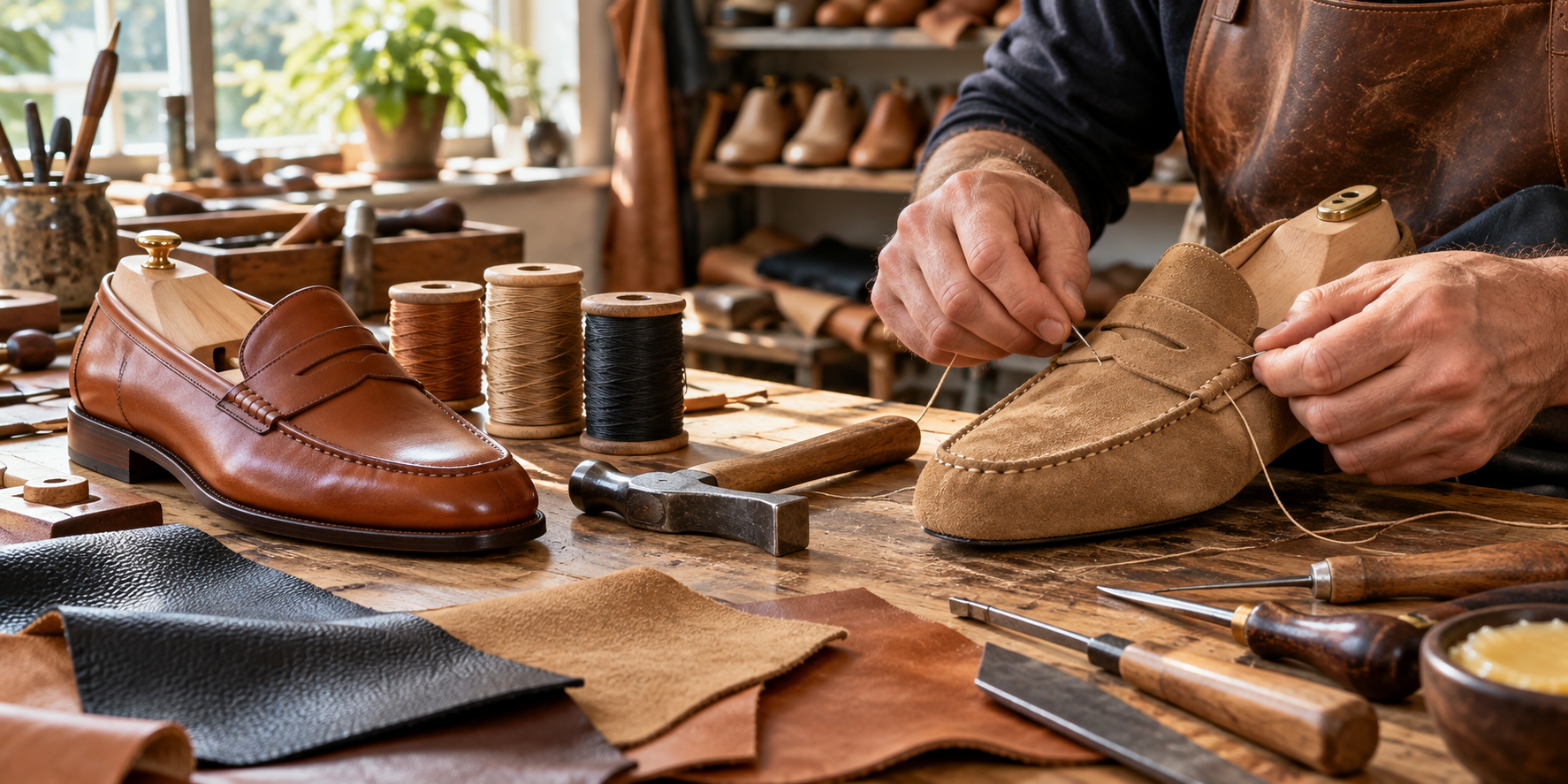
Loafers Wholesale: The Handsewn Look Repeated, Pair After Pair
Loafers wholesale on recorded specs: approved lasts, full-grain leather and suede uppers, stitched rubber soles and cushioned footbeds, OEM/ODM from 300 pairs per style.
Discuss this solutionProgram facts you can verify
- OEM/ODM scope confirmed in writing before bulk production
- Private label support: logo, packaging and size grading
- Material, construction and finished-shoe inspection before shipment
- Confirmed ship dates stated in writing per order
Purchase decision helper
Select your requirements — we match them against our current published products and program rules.
Select options above to see matching products.
Matches are based on our current published catalog only.
Buyer pain points & our technical solution
The pain: loafers whose handsewn look changes from batch to batch
The loafer is a silhouette buyers repeat for years, and the handsewn apron seam is the part customers judge first. When stitch spacing widens between deliveries, or the last shape relaxes so the toe reads longer, the range stops looking like one program. Buyers sourcing loafers wholesale also meet quote-only factories, where the seam standard exists only in a sample nobody can trace back to.
Our solution: approved lasts and seam standards, recorded per program
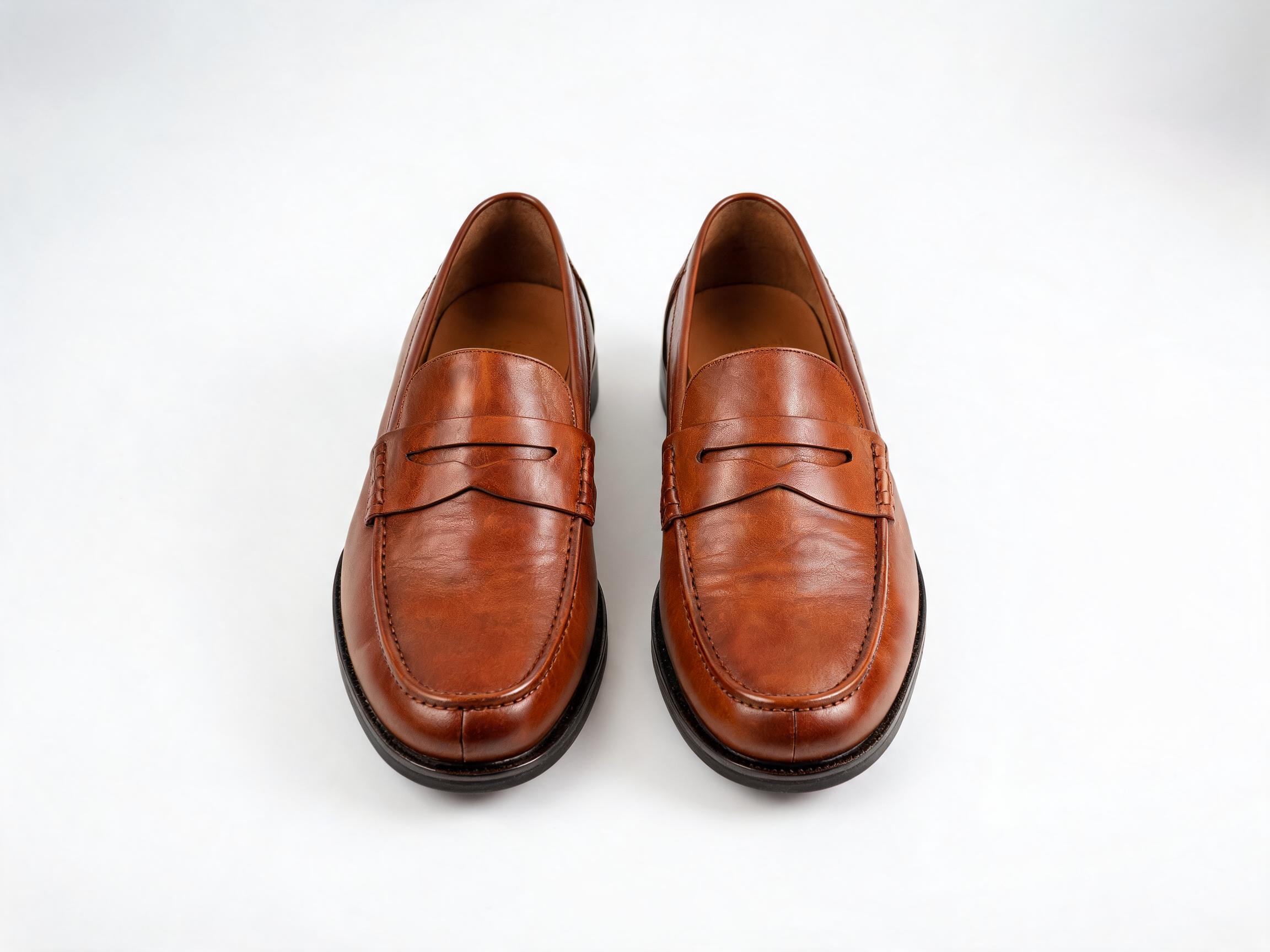
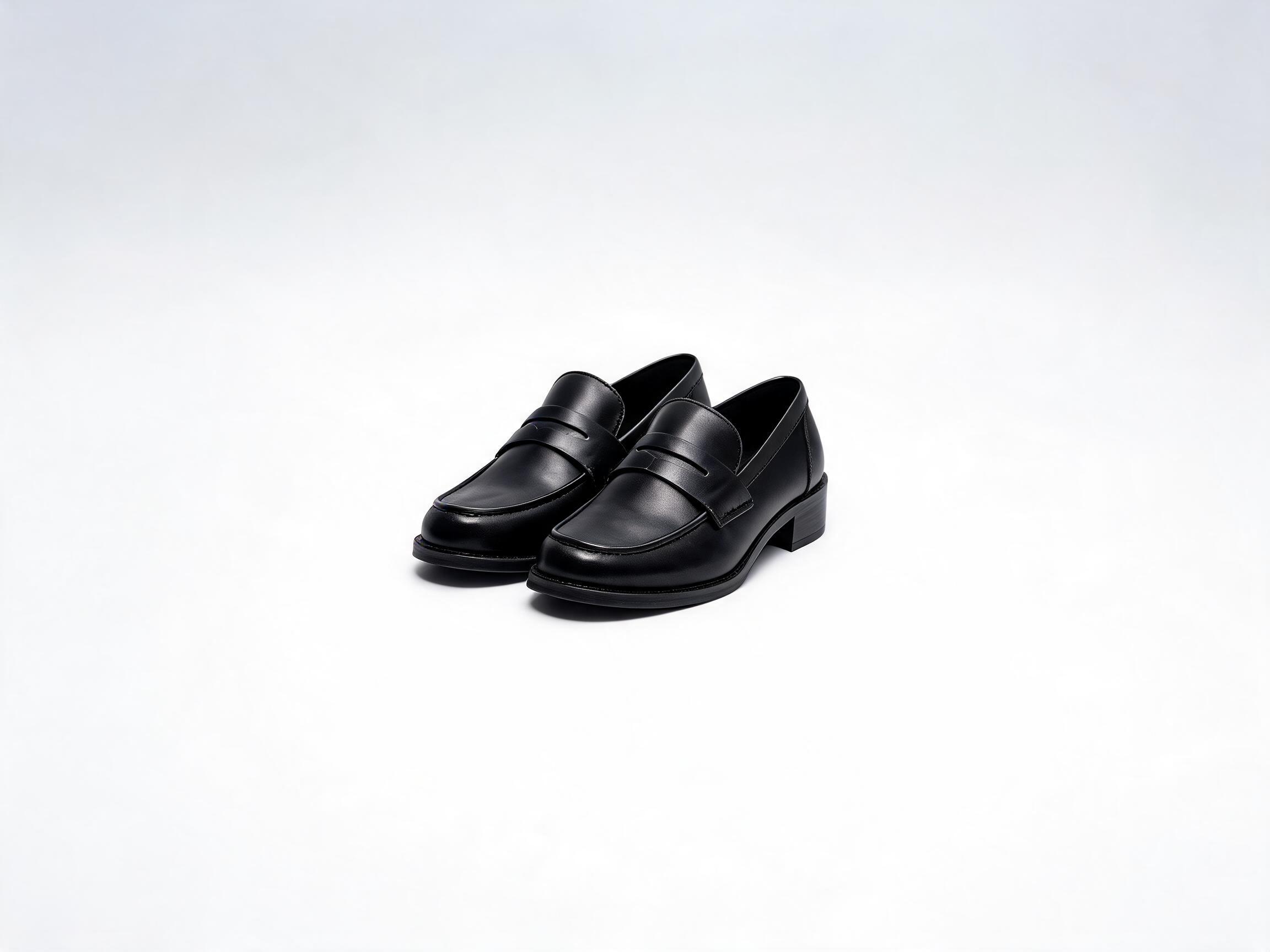
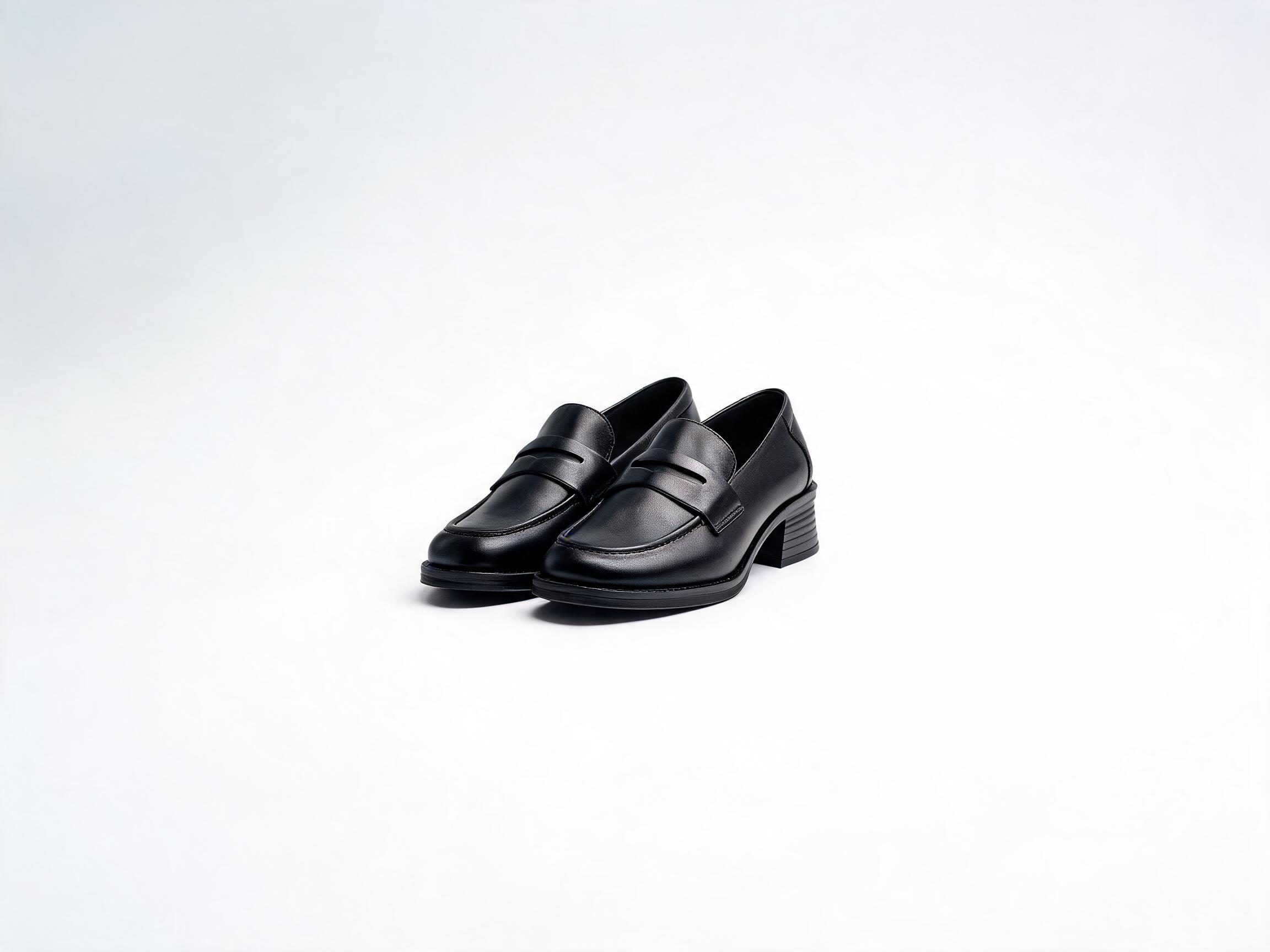
We build loafers on recorded specs: the approved last and apron seam reference are kept per program, stitch density and sole stitching are checked at construction review per bulk run, and finished pairs are checked against international quality standards before shipment. Current published builds cover men’s penny loafers in polished full-grain leather and suede, plus women’s leather loafers — each with leather lining, cushioned footbeds and stitched rubber soles, from 300 pairs per style as listed on each product page. For the buyer this means pair 300 reads the same as the approved sample.
Customer cases
Case — an importer held apron seam uniformity across two years of re-orders
Who: a European footwear importer running a men’s penny loafer range. What we delivered: the approved last and seam reference kept per program, with stitch density checked per bulk run. Problem solved: seam spacing used to widen when production moved between lines. Before: the second delivery looked hand-finished by a different workshop. Now: two years of re-orders shipped on the same seam reference, per the program record. Data source: buyer cooperation record in our backend partner archive.
Factory process case — stitch and sole checks recorded per bulk run
Who: our construction QC team. What is used: stitch density, sole stitching and footbed assembly are checked at construction review per bulk run, before finished inspection. Problem solved: sole stitching failures surface in customers’ hands, not at the bench, when checks only happen at the end. Before: loose sole stitching was found after delivery, when the batch was already sold. Now: stitch and sole results sit in the order file per bulk run. Data source: factory QC workflow records (company capability record: Inspection Before Shipment).
Case — a retail chain added a suede tier on the same program
Who: a North American retail chain extending its loafer basics with a suede tier. What we delivered: a suede penny loafer on the same approved last and inspection standard as its leather builds. Problem solved: adding a material usually meant re-qualifying a supplier. Before: the suede tier arrived with a different fit from the leather range. Now: both tiers ship on the same last record and spec pack, per the program record. Data source: buyer cooperation record in our backend partner archive.
Reviews & ratings
★★★★★
Scene: a men’s loafer range bought through a retail chain’s classic footwear program.
Verdict (record excerpt): “The last record never changed — our fit charts stayed valid for two years.”
Verifiable result: two years of re-orders shipped without a fit revision, per the program record.
Source: buyer cooperation record (Sarah, Sourcing Manager, North American retail chain), Aurevia partner archive
★★★★★
Scene: a loafer program sourced through a European importer for classic men’s doors.
Verdict (record excerpt): “Stitch density was checked per run — the handsewn look survived bulk.”
Verifiable result: zero seam-related claims recorded across the cooperation period, per the order file.
Source: buyer cooperation record (Michael, Purchasing Director, European footwear importer), Aurevia partner archive
★★★★★
Scene: a loafer tier added by a distributor channel serving Gulf retail.
Verdict (record excerpt): “The loafer tier shipped under the same spec pack as our dress range — paperwork matched for once.”
Verifiable result: the loafer tier launched without a separate supplier qualification, per the program record.
Source: buyer cooperation record (Omar, Distribution Partner, Middle East distributor), Aurevia partner archive
Related products
Company strength
- Founded: 2011, based at No. 88 Jinjiang Industrial Zone, Quanzhou, Fujian, China.
- Team & factory: a 260-person team running sampling, cutting, stitching and QC from a modern footwear production workshop; loafer builds start from 300 pairs per style as listed on each product page.
- R&D: an in-house design team and pattern makers maintain last records, seam references and leather specs per program.
- Capacity: loafer builds run on one audited production plan with intake and finished-shoe checks recorded per order.
- Partners: North American retail chains, European footwear importers and Middle East distributors.
- Export markets: Europe, North America and the Middle East.
Certificates & quality evidence
- Recorded checks: every loafer order passes material intake, construction and finished-shoe checks against international quality standards; seam references and last records are kept per order in the certificate archive.
- Verifiable on request: the inspection checklist and the per-style spec pack behind your loafer program can be requested before signing; we provide what exists and state clearly what does not.
- Honest boundary: we record construction and material checks as built; we do not claim handsewn-heritage branding, laboratory wear tests or certifications we cannot evidence — confirm leather behavior through sampling in the inquiry.
FAQ
What MOQ applies to a loafers program?
Loafer builds start from 300 pairs per style as listed on each product page. Confirm the figure for your styles in the inquiry.
Can you keep the fit identical across leather and suede versions?
Yes — both materials run on the same approved last; the fit relationship is confirmed through sampling in the inquiry.
Which loafer builds are published today?
Men’s penny loafers in polished full-grain leather and suede, plus women’s leather loafers, are the current published builds; other loafer constructions are confirmed through sampling in the inquiry.
How is stitching quality documented?
Stitch density and sole stitching are part of construction checks per bulk run, recorded in the order file.
Request a solution quotation
This inquiry carries the current solution page context, so our team can answer with the right program details.