Mens Footwear Manufacturers: From Stitching Bench to Corporate Program
Mens footwear manufacturers on one last family: oxford, derby, loafer, monk and boot styles graded to written standards, leather recorded at intake, from 100 pairs per color.
Buyer pain points & our technical solution
The pain: a men's range assembled from vendors who never meet
A men's footwear program rarely lives on one silhouette: oxfords for the corporate lane, loafers for business casual, a monk strap for the boutique wall, boots for autumn. Sourcing each silhouette from a different vendor means the range never shares a last family, a leather grade or a grading standard — and the buyer discovers this at fitting, when one style runs large and its neighbor runs narrow. The impact compounds across seasons, because every new style restarts the qualification work.
Our solution: one leather range on one last family
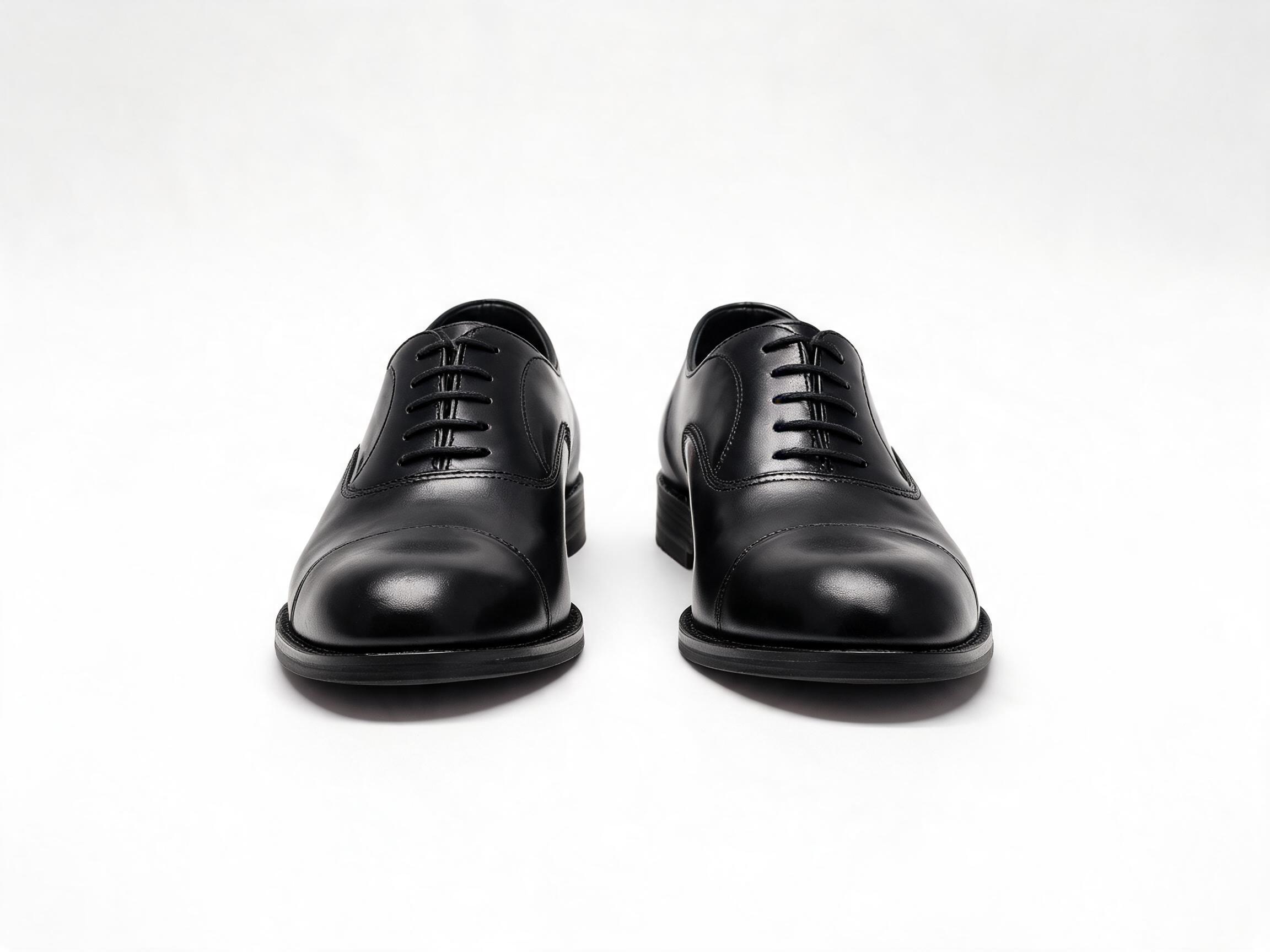
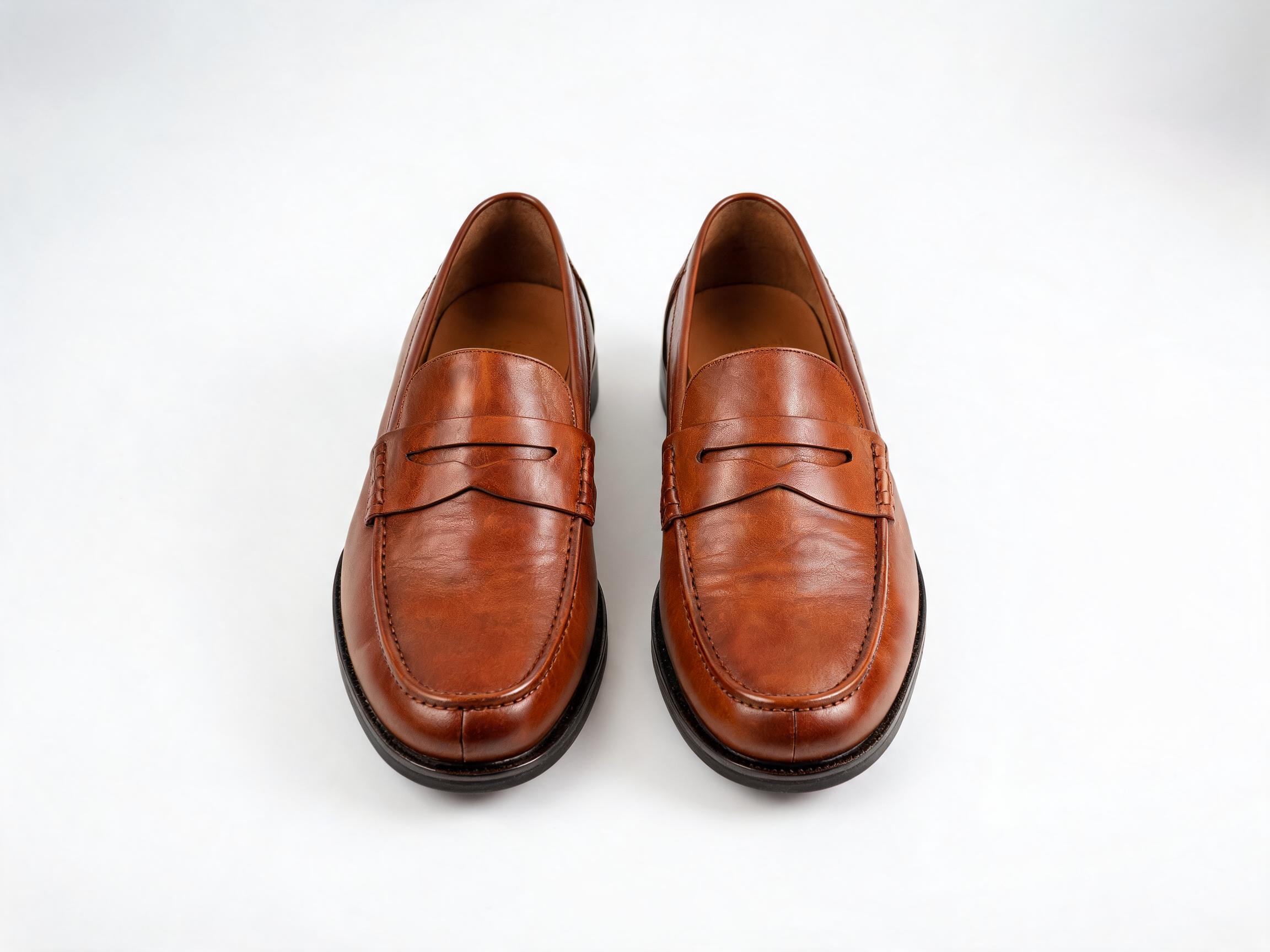
Our men's leather range is built in one factory on one last family: polished black cap-toe oxfords, cognac penny loafers with hand-stitched aprons, tan double monk straps, brown derbies with open lacing, dark brown full brogues and full-grain Chelsea boots — all graded to written standards, with leather graded and recorded at intake before cutting and checked at construction review per bulk run, with finished-shoe checks before shipment. Men's leather lines start from 100 pairs per color as listed on each product page. For the buyer this means a range that fits like one brand and reports into one spec file.
Related products
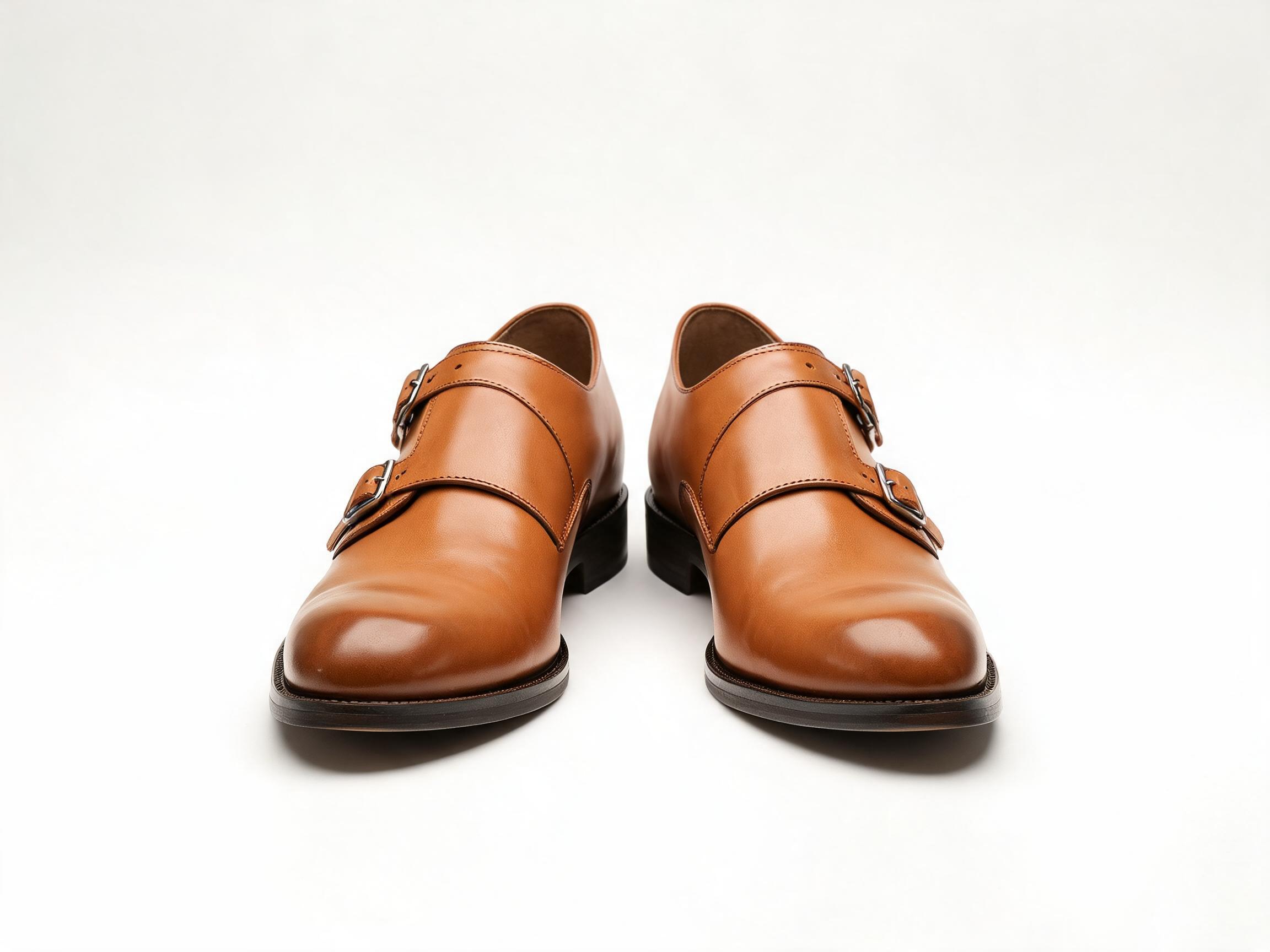
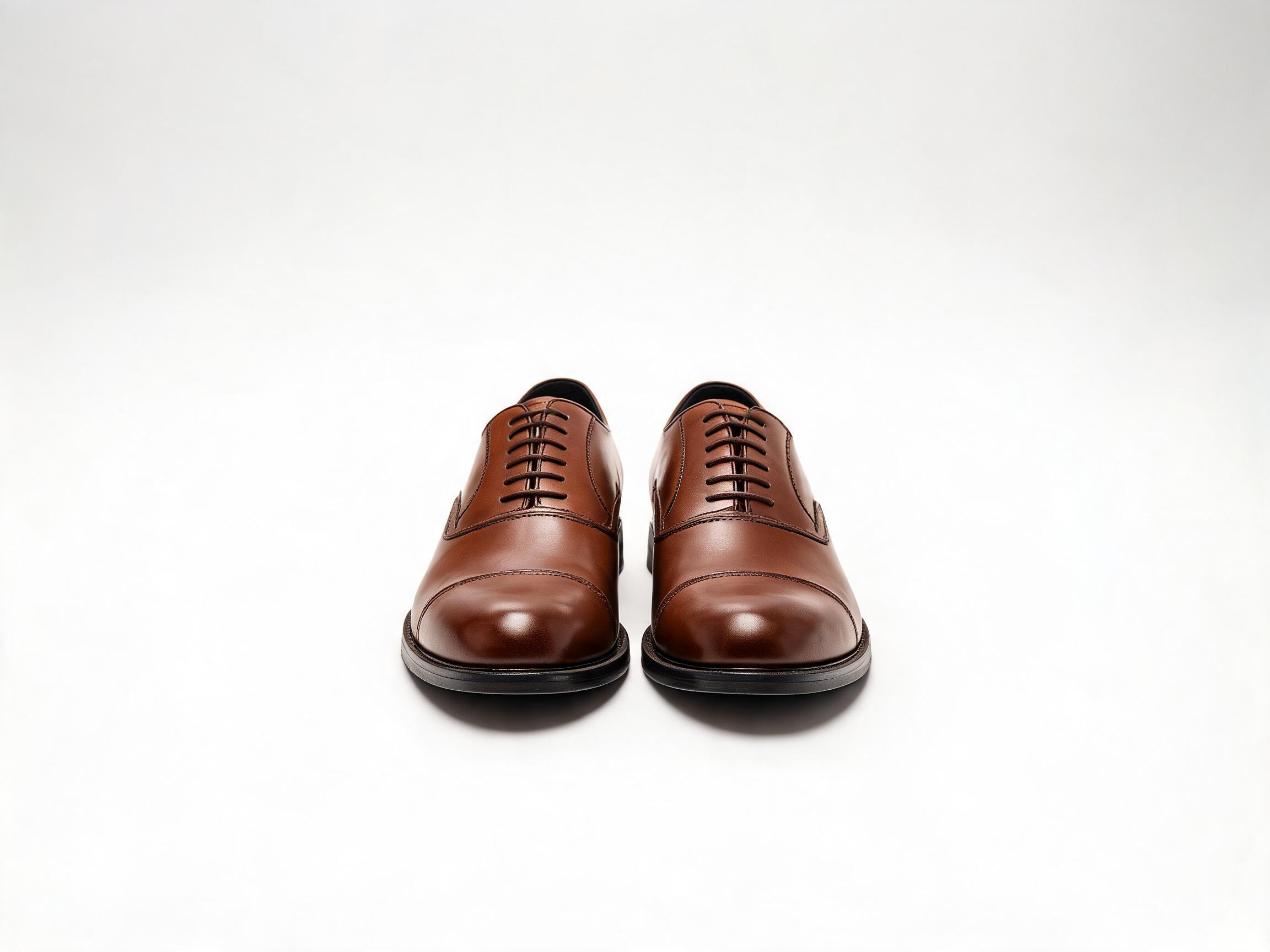
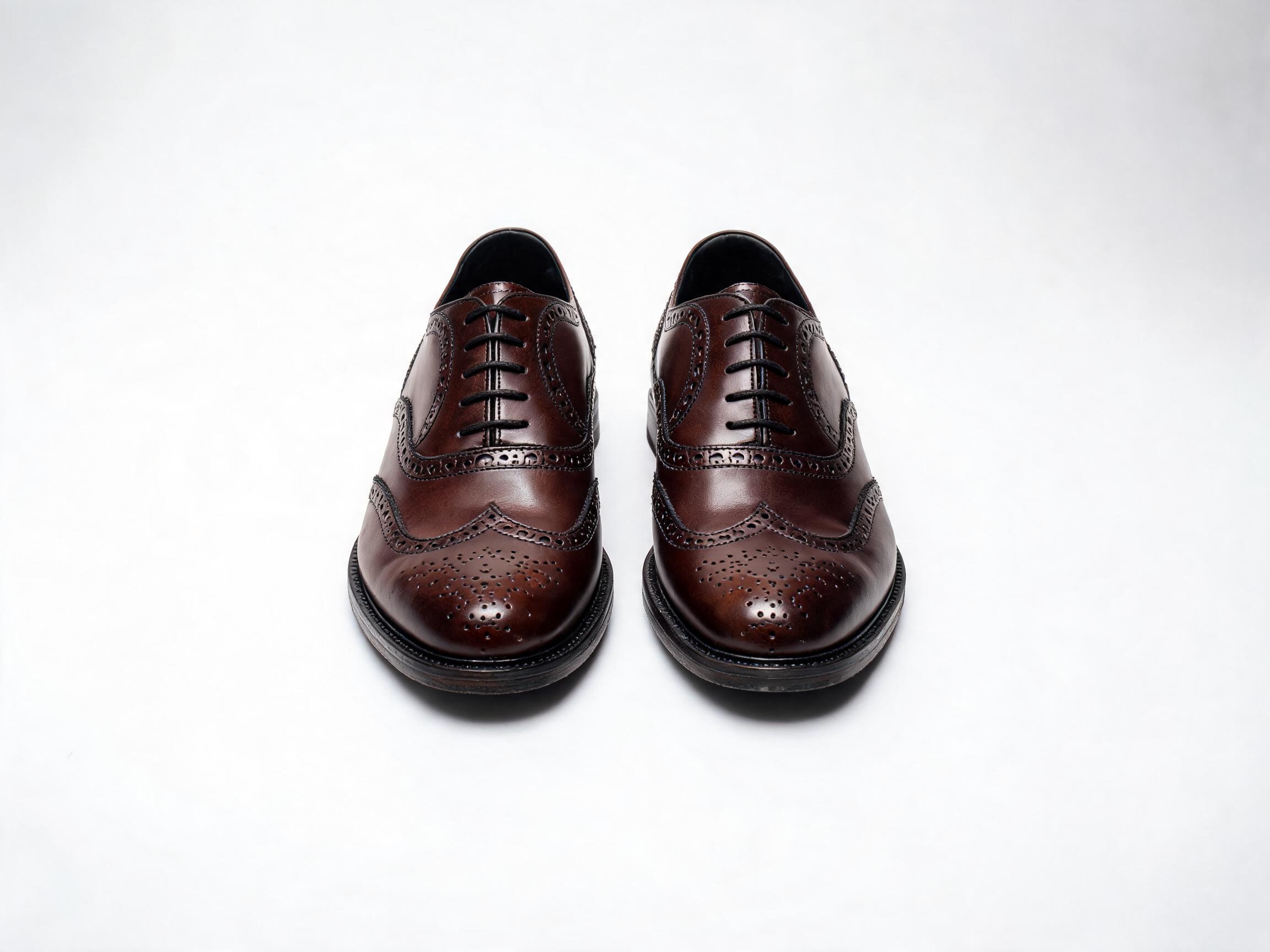
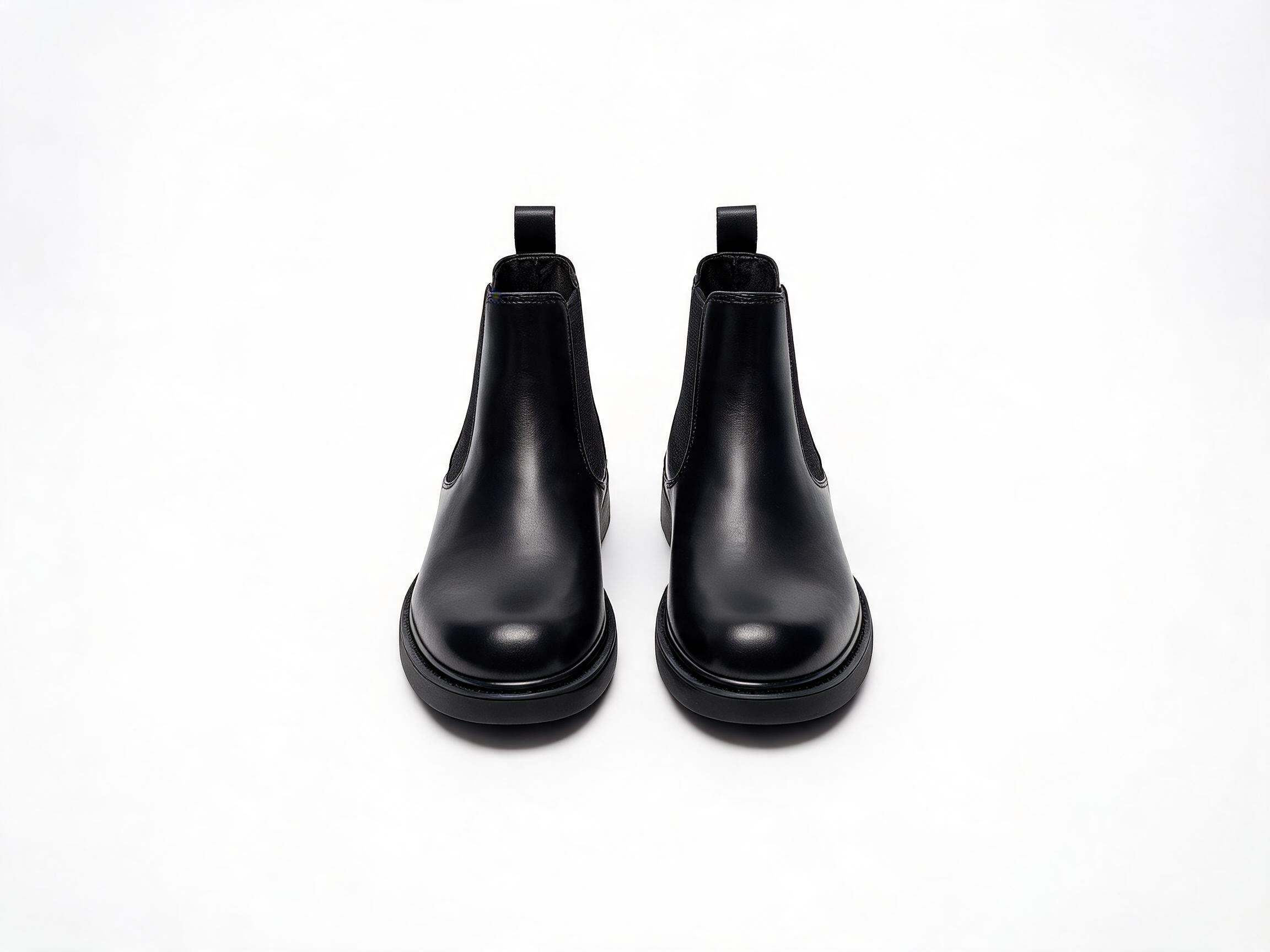
Customer cases
Case — a corporate uniform buyer standardized its dress range on one last family
Who: a European corporate uniform supplier buying men's dress shoes for workforce programs. What we delivered: derby and oxford styles developed on one last family, with one grading and one spec pack across the range. Problem solved: shoes from multiple vendors fitted differently, so one size chart did not serve the workforce. Before: fitting complaints arrived per vendor. Now: the whole dress range reports into one grading record, per the program record. Data source: buyer cooperation record in our backend partner archive.
Factory process case — leather graded and recorded at intake, before cutting
Who: our material intake team. What is used: leather grading at intake against the confirmed material spec; grade results are recorded per lot before the cutting table. Problem solved: grading drift discovered after stitching wastes finished panels. Before: one lot reached the stitching line below the confirmed grade. Now: intake grading results sit in the order file per lot. Data source: factory QC workflow records (company capability record: Inspection Before Shipment).
Case — a menswear retailer staged a monk-strap launch across three deliveries
Who: a North American menswear retailer launching a tan monk-strap line with limited floor space. What we delivered: the line split across three deliveries aligned to its season windows, each built on the same confirmed spec. Problem solved: a single bulk delivery would have occupied storage the retailer did not have. Before: seasonal shoes arrived all at once and sat in the back room. Now: each delivery matched a window and sold through on plan, per the cooperation record. Data source: buyer cooperation record in our backend partner archive.
Purchase decision helper
Select your requirements — we match them against our current published products and program rules.
Select options above to see matching products.
Matches are based on our current published catalog only.
Reviews & ratings
★★★★★
Scene: corporate workforce dress shoes bought through a uniform supplier's program office.
Verdict (record excerpt): “One last family across derby and oxford ended the fitting complaints by department.”
Verifiable result: fitting-related complaints on the dress range fell to zero across two workforce rollouts, per the program record.
Source: buyer cooperation record (Sarah, Sourcing Manager, North American retail chain), Aurevia partner archive
★★★★★
Scene: a men's leather tier added by a distributor channel serving Gulf retail.
Verdict (record excerpt): “The leather grade on the shelf matched the grade in the file — buyers noticed.”
Verifiable result: zero leather-grade claims recorded since the first men's order, per the order file.
Source: buyer cooperation record (Omar, Distribution Partner, Middle East distributor), Aurevia partner archive
★★★★☆
Scene: a monk-strap launch staged by a North American menswear retailer across season windows.
Verdict (record excerpt): “Three deliveries, one spec — the launch sold through on plan; I would still confirm the burnish tone on a physical sample first.”
Verifiable result: all three staged deliveries sold through within their season windows, per the cooperation record.
Source: buyer cooperation record (Michael, Purchasing Director, European footwear importer), Aurevia partner archive
Company strength
- Founded: 2011, based at No. 88 Jinjiang Industrial Zone, Quanzhou, Fujian, China.
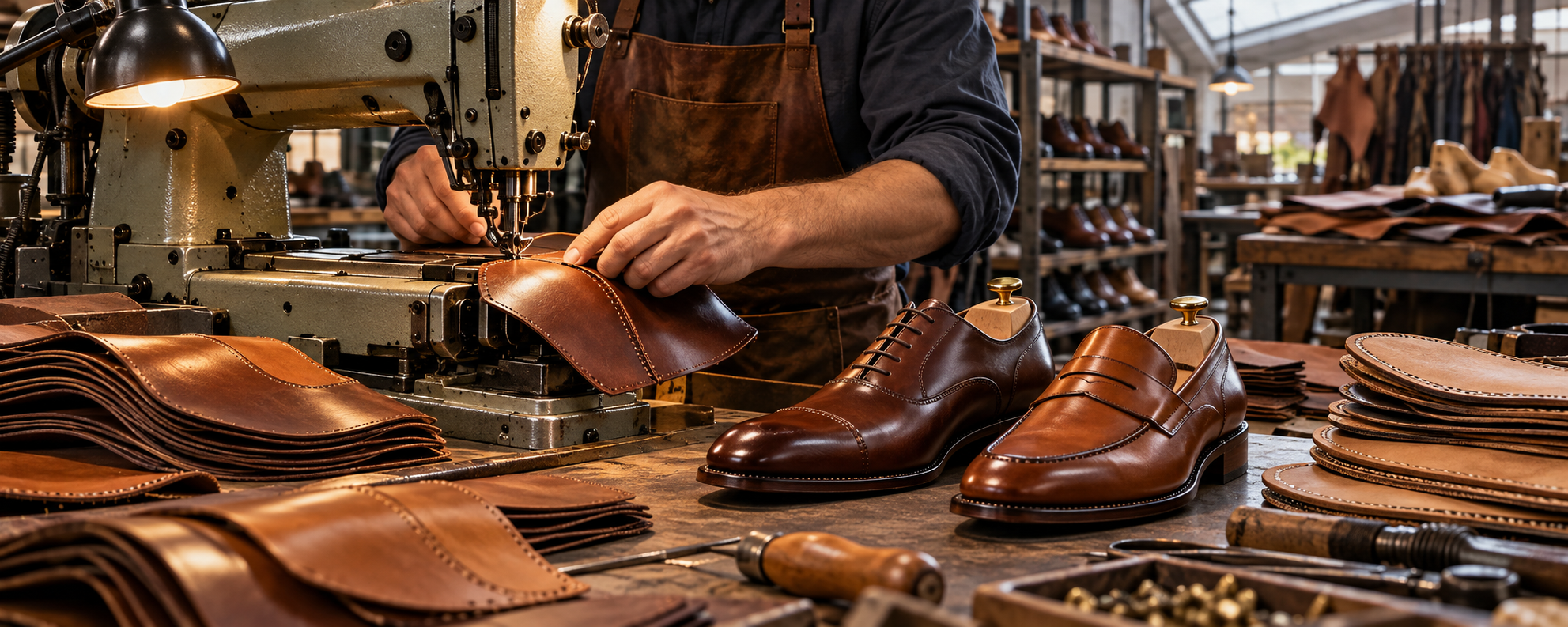
- Team & factory: a 260-person team running sampling, cutting, stitching and QC from a modern footwear production workshop; men's leather lines start from 100 pairs per color as listed on each product page.
- R&D: an in-house design team and pattern makers maintain the last family, grading standards and material specs across the men's leather range.
- Capacity: men's builds run on one audited production plan with intake and finished-shoe checks recorded per order.
- Partners: North American retail chains, European footwear importers and Middle East distributors.
- Export markets: Europe, North America and the Middle East.
Certificates & quality evidence
- Recorded checks: every men's footwear order passes leather intake grading, construction and finished-shoe checks against international quality standards; intake and construction results are kept per order in the certificate archive.
- Verifiable on request: the inspection checklist and the per-style spec pack behind your program can be requested before signing; we provide what exists and state clearly what does not.
- Honest boundary: we record material and construction checks as built; we do not claim certifications we cannot evidence — confirm leather behavior through sampling in the inquiry.
FAQ
What MOQ applies to a men's leather footwear program?
Men's leather lines start from 100 pairs per color as listed on each product page; sneaker builds start from 200 pairs per color. Confirm the figure for your styles in the inquiry.
Can we combine laced, slip-on and boot styles in one program?
Yes — the published oxford, derby, loafer, monk and boot styles run on one last family and one spec standard; your mix is confirmed in the inquiry.
How is leather quality controlled?
Leather is graded at intake against the confirmed material spec, with results recorded per lot before cutting; construction and finished-shoe checks follow per bulk run.
Can deliveries be staged to season windows?
Yes — deliveries can be split across agreed windows on the same confirmed spec; the schedule for your program is confirmed in the inquiry.
Request a solution quotation
This inquiry carries the current solution page context, so our team can answer with the right program details.