
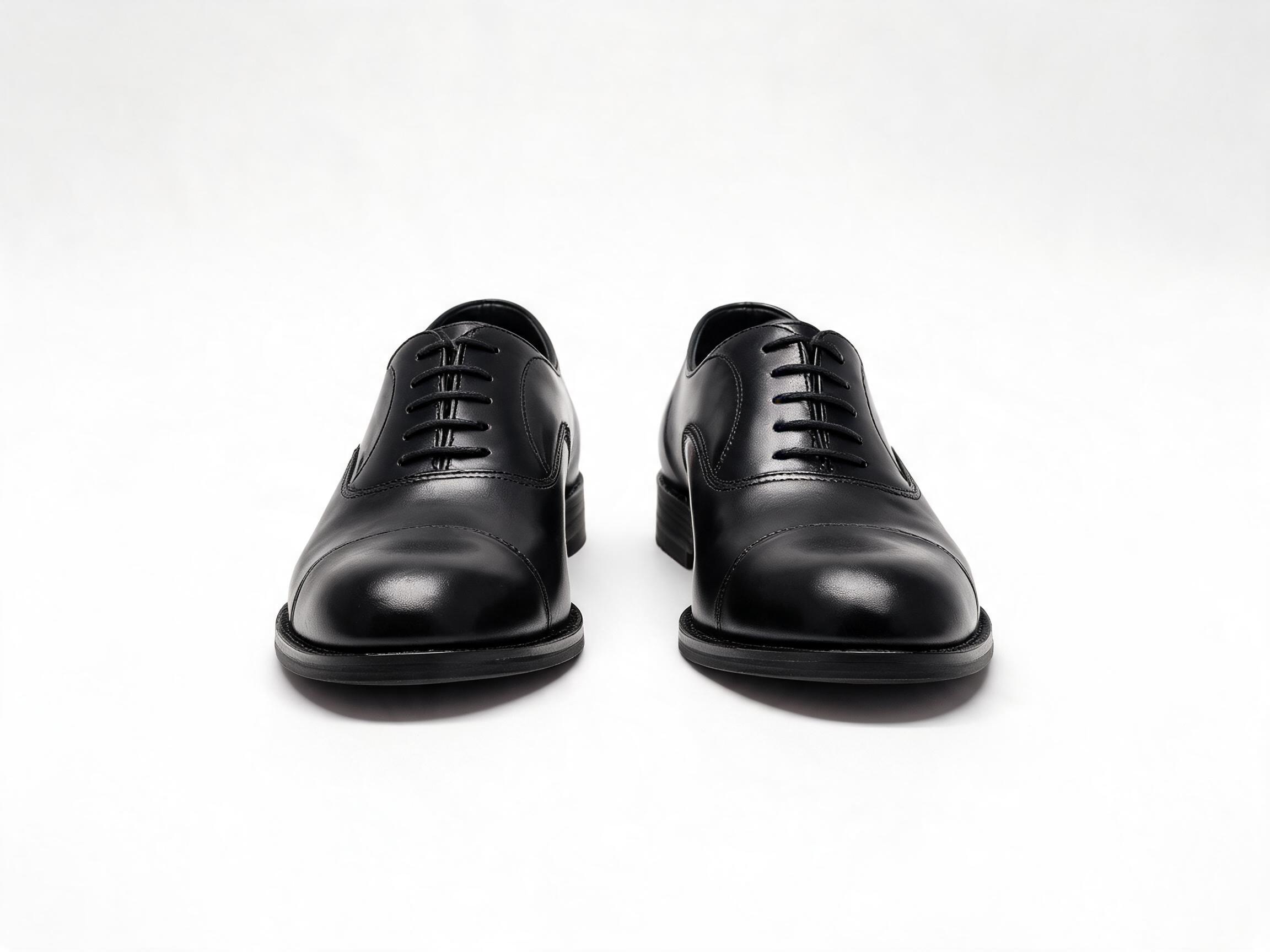
Shoe Making Factory: Inside the Lines That Build Every Pair
A working shoe making factory in Quanzhou: organized cutting, stitching and lasting lines, grade-verified leather intake and per-order inspection records you can review before contracting.
Purchase decision helper
Select your requirements — we match them against our current published products and program rules.
Select options above to see matching products.
Matches are based on our current published catalog only.
Buyer pain points & our technical solution
What B2B buyers struggle with
When a buyer evaluates a “factory”, the hardest part is verification: photos that could be anyone’s floor, capability claims with no records behind them, and audit trips that cost more than the trial order. Many buyers only discover the truth after a failed bulk run — mis-graded leather, unstable lasting, or a “factory” that quietly subcontracted the order.
The commercial impact: sampling budgets burned on the wrong supplier, and bulk risk carried without evidence.
How our factory answers it
Aurevia’s Quanzhou base runs organized cutting, stitching and lasting lines for leather footwear, documented with workshop records that buyers can review before contracting. Material is graded at intake — genuine leather sourcing is a stated capability, not a slogan — and construction is inspected against the approved sample at defined stages, with per-order inspection records archived so the buyer can request exactly what was checked and when. In-house design and pattern teams convert buyer references into production-ready samples, and the same lines that produce the sample run the bulk. The value: a factory you can audit on paper before you fly, and a bulk run that matches the sample you approved.
Customer cases
Factory process case — from approved sample to bulk on one line set
Who: our production and quality inspection teams. What is used: the same cutting, stitching and lasting lines that build the approved sample also run the bulk, with construction inspected against the approved sample at defined stages. Problem solved: the classic sample-versus-bulk mismatch that buyers discover only after delivery. Before: bulk runs drifted from the approved sample in construction details. Now: bulk is inspected against the approved sample at construction and finished-shoe stages, with records archived per order. Data source: per-order inspection records (capability record: Quality Inspection & Test Reports).
Factory process case — leather graded at intake, not after lasting
Who: our sourcing team. What is used: grade verification of genuine leather at material intake for dress, loafer and boot programs. Problem solved: mis-graded leather that surfaces late in production is the most expensive defect to fix. Before: leather issues surfaced after lasting, when rework costs the most. Now: leather is graded at intake and records are archived per order, so disputes end at the source. Data source: material intake records (capability record: Genuine Leather Sourcing).
Related products
Reviews & ratings
★★★★★
Scene: buyers reviewing production capability during factory-based sourcing visits before contracting.
Verdict (record excerpt): "Our Quanzhou production base runs organized cutting, stitching and lasting lines for leather footwear, supporting stable output for bulk OEM and ODM orders."
Verifiable result: workshop records with images are archived in the backend and available to buyers before contracting; the record is mirrored on the public about page.
Source: factory record (Modern Footwear Production Workshop), Aurevia partner archive.
★★★★★
Scene: a European footwear importer’s due diligence before placing dress shoe lines with a new base.
Verdict (record excerpt): "Aurevia has kept quality stable across our repeat orders — that is why the program is still running."
Verifiable result: the importer’s dress program continues as season-over-season repeat orders under the same per-order inspection records; the cooperation record is held in the backend partner archive.
Source: buyer cooperation record (Michael, Purchasing Director, European footwear importer), Aurevia partner archive.
Certificates & quality evidence
- Quality inspection & test reports: every bulk order passes material, construction and finished-shoe inspection against international quality standards before shipment; records are archived per order and available to the buyer on request.
- Documented workshop records: production line records with images are archived and mirrored on the public about page, so factory claims can be checked before contracting.
- No invented certifications: we do not present certification claims without a verifiable certificate or report behind them; buyers with market-specific compliance needs receive a written answer on what documentation exists.
Company strength
- Founded: 2011, based at No. 88 Jinjiang Industrial Zone, Quanzhou, Fujian, China.
- Team & factory: a 260-person team with organized cutting, stitching and lasting lines for leather footwear.
- R&D: in-house design and pattern teams convert buyer references into production-ready samples on the same lines that run bulk.
- Capacity: stable bulk output for OEM and ODM orders across repeat seasons.
- Partners: European footwear importers, North American retail chains and Middle East distributors on long-term programs.
- Export markets: Europe, North America and the Middle East.
FAQ
Can we visit the factory before ordering?
Yes. Factory-based sourcing visits are how several partner records in our archive were created. If travel is not practical yet, we first share the archived workshop records and per-order inspection documentation.
How do you prove the production lines are real?
Workshop records with images are archived in the backend and mirrored on the public about page, and every bulk order leaves per-order inspection records that show what was checked and when.
What is the MOQ for a first order?
Published leather dress, loafer and boot styles list MOQ 100 pairs per color. Send your volumes and target spec and we will confirm the program in writing.
Which constructions can you build?
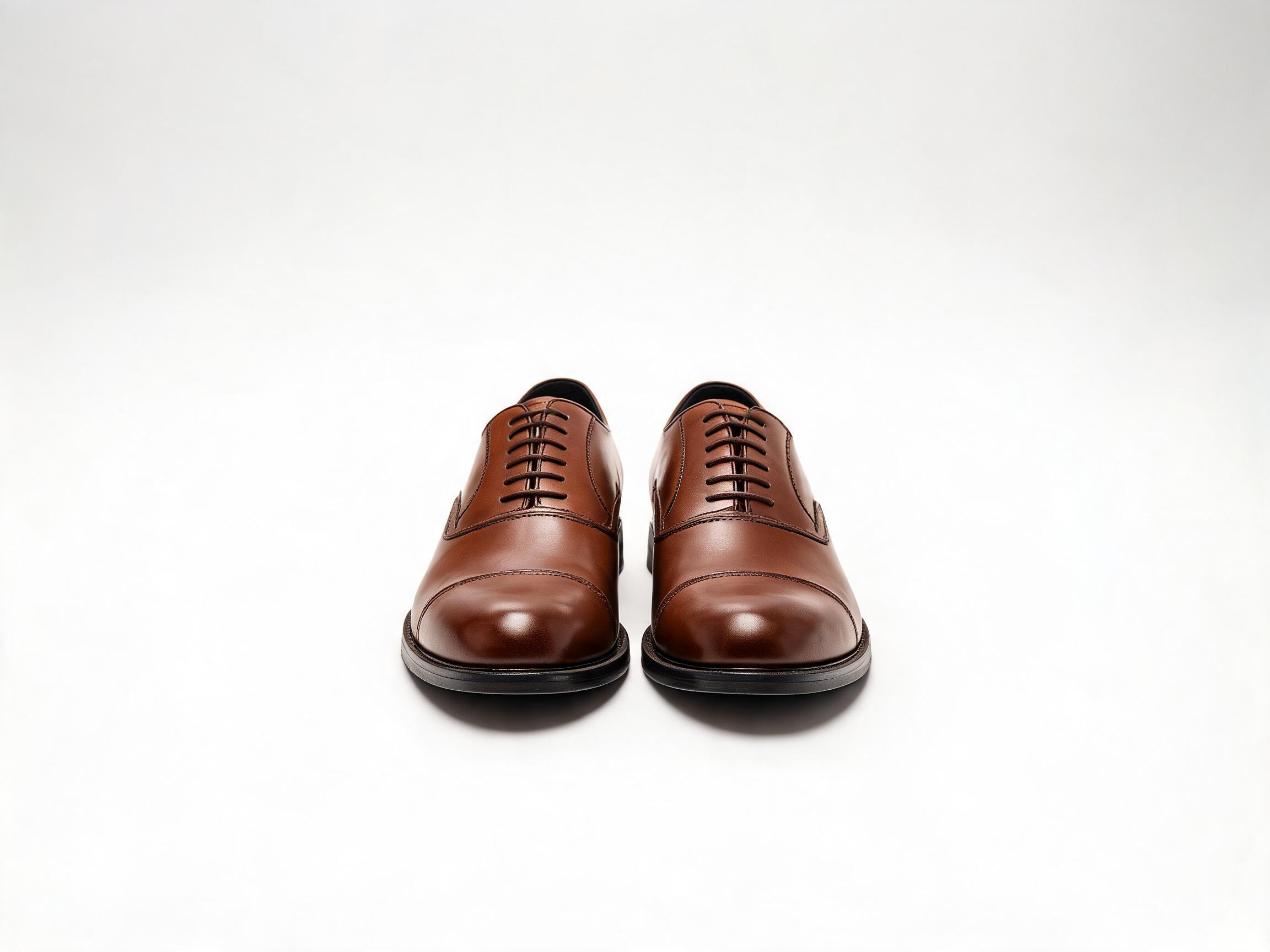
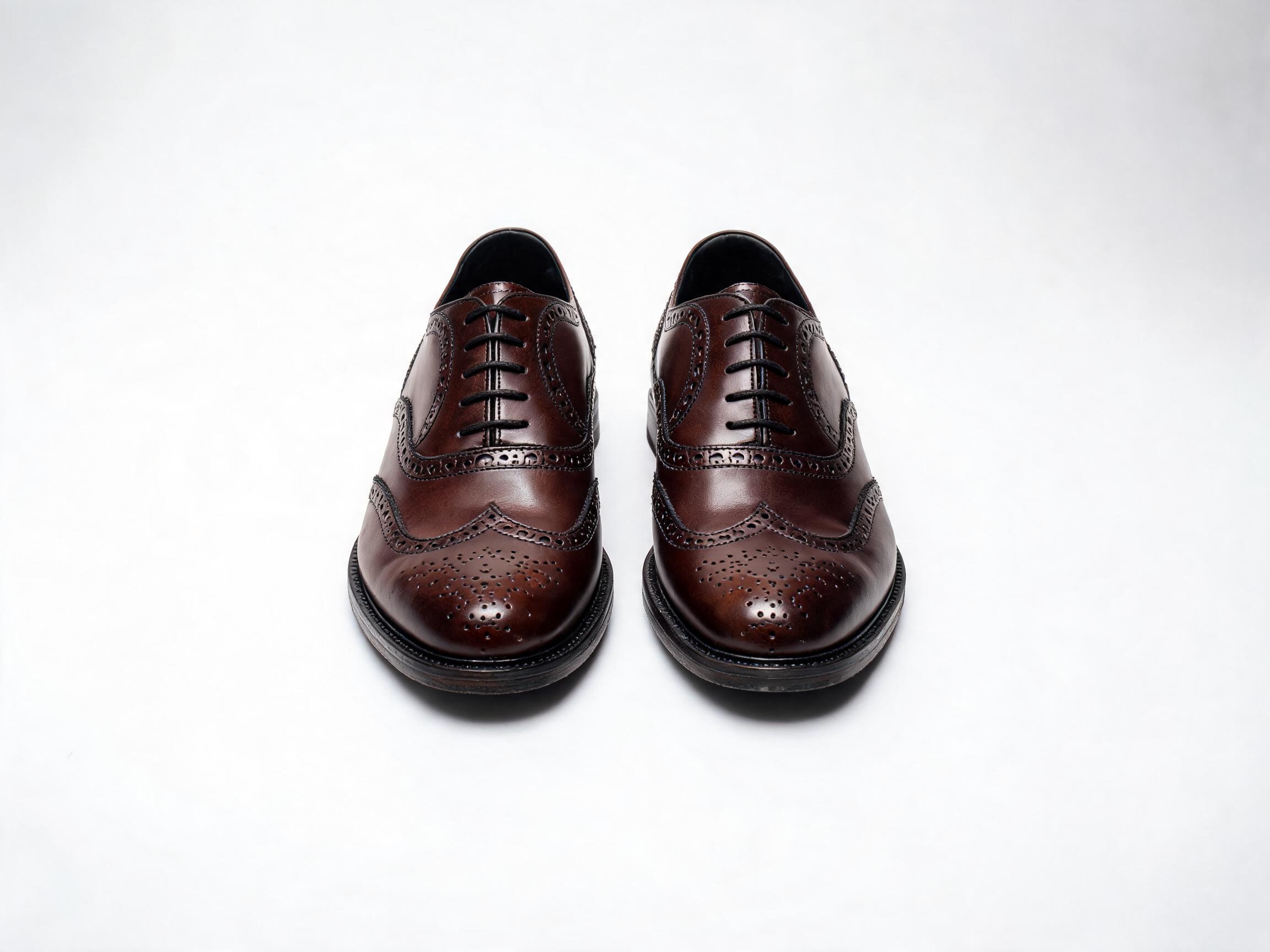
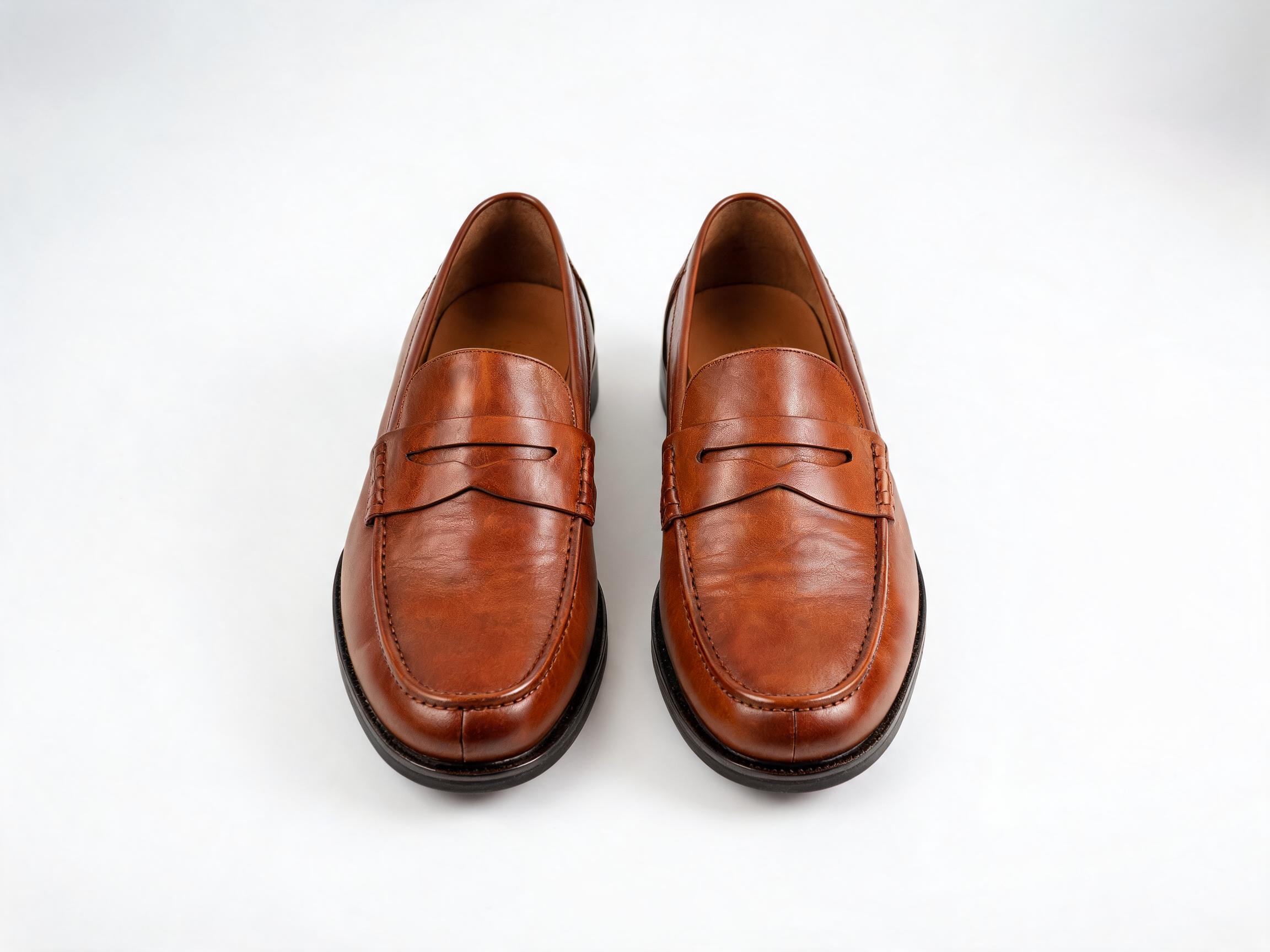
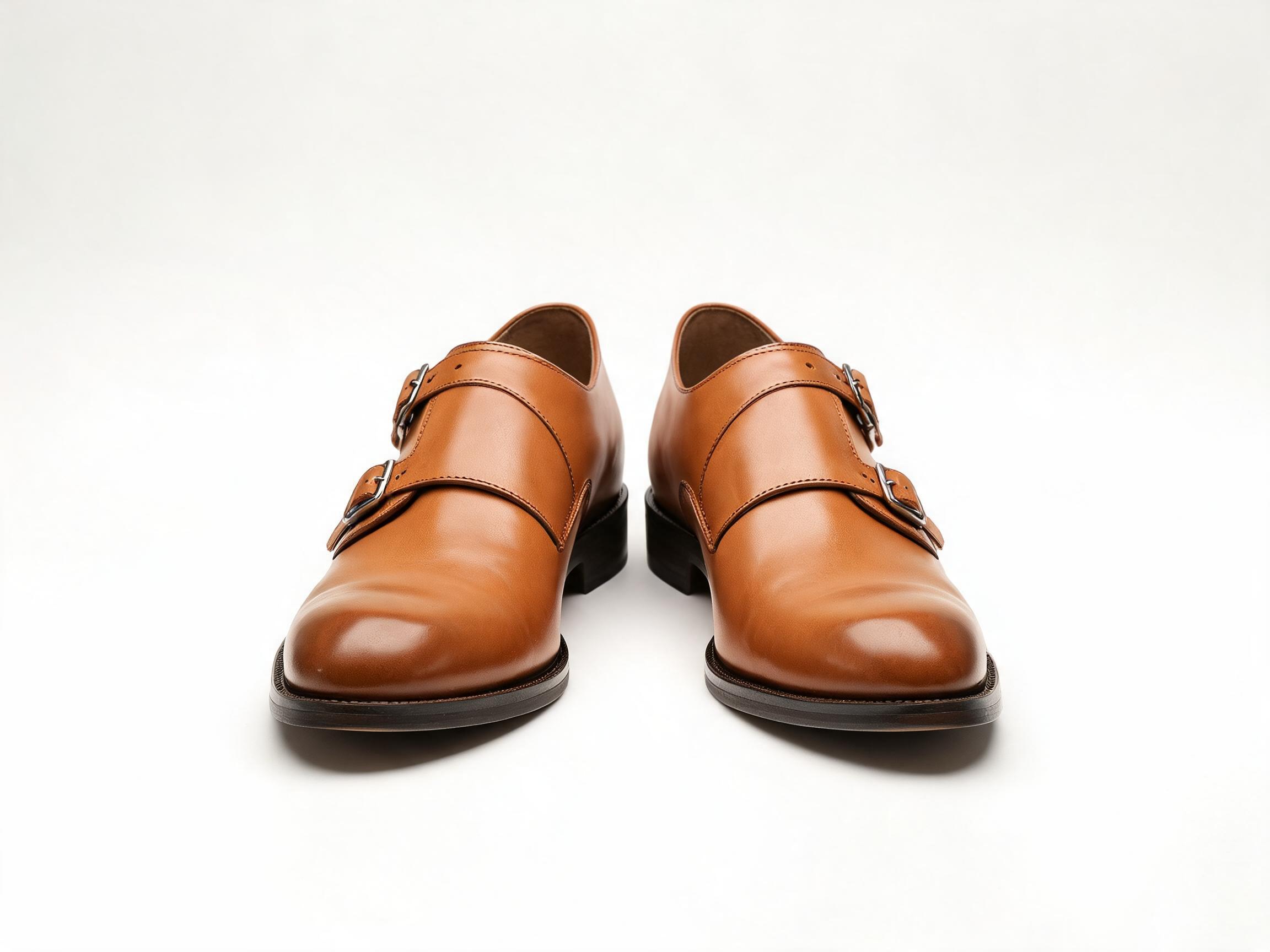
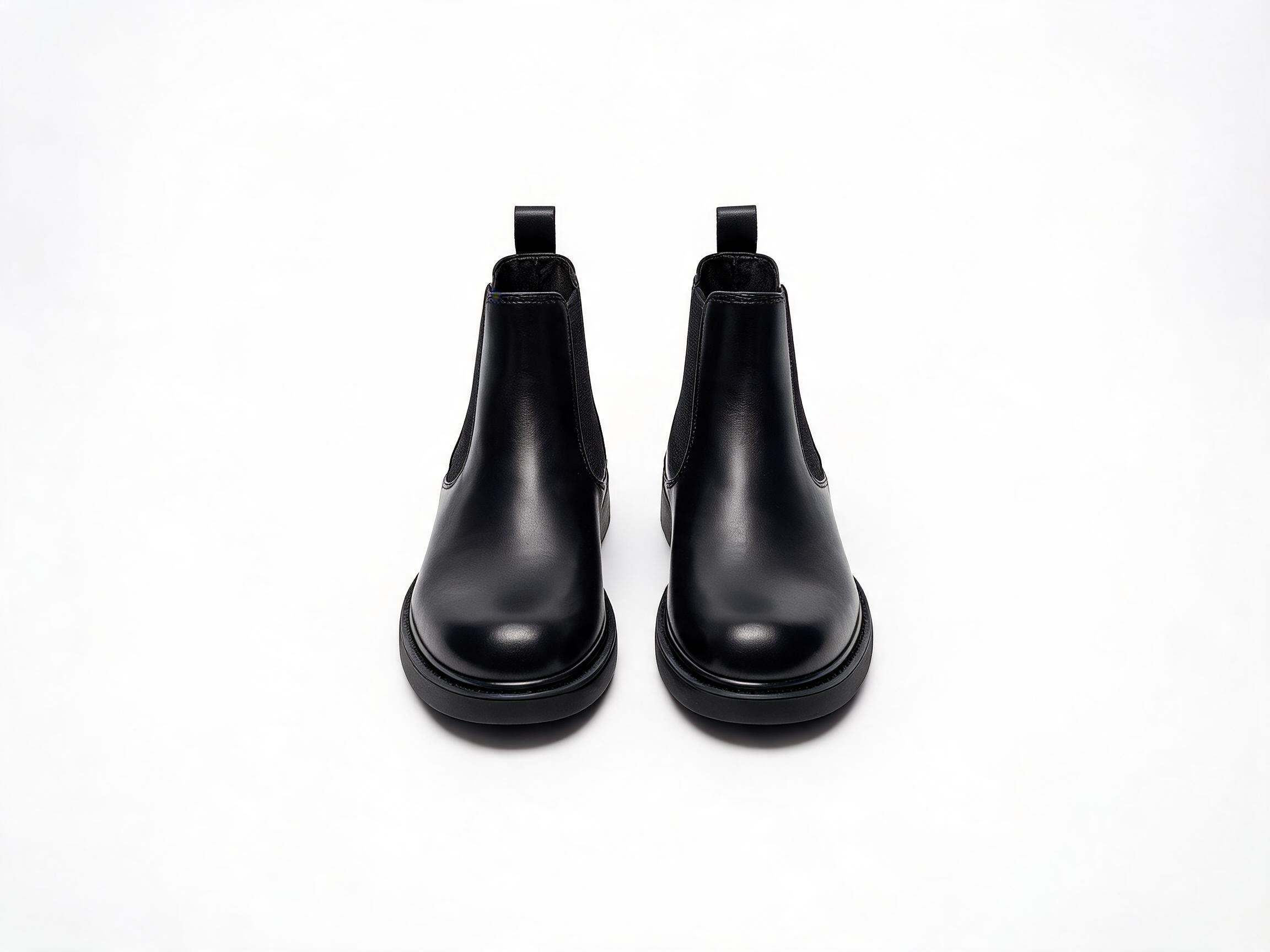
Current lines cover closed-lacing oxfords and derbies, wingtip brogues, double monk straps, penny loafers and chelsea boots. New constructions are developed through ODM sampling from buyer references.
Request a solution quotation
This inquiry carries the current solution page context, so our team can answer with the right program details.