
Sneaker Private Label: One Material Library Across Uppers
Sneaker private label programs built on a recorded material library spanning full-grain leather and knit uppers on shared last records, with per-lot intake grading and finished-shoe checks per order; trials start from 100 pairs per color as listed on each product page.
Discuss this solution
- Founded
- 2011
- Team
- 260
- Export markets
- Europe · North America · Middle East
Buyer pain points & our technical solution
The pain: private-label sneaker programs break where leather meets knit
A private-label sneaker program usually starts with one hero style, then grows — and that is where it breaks. The leather low-top came from one source, the knit running style from another, and nothing shares a last, a size run or a records trail. Buyers see it as wall inconsistency: leather and knit styles that should read as one brand fit differently, and no reorder file explains why. Private-label buyers carry the brand risk, so the drift is their problem, not the factory's.
Our solution: one material library and one evidence trail across uppers
We produce since 2011 from a Quanzhou base with a recorded material library spanning full-grain leather and knit uppers on shared last records, and every private-label order runs the same evidence trail: material intake graded per lot, construction review at lasting and sole attachment, and finished-shoe checks per bulk run, all kept in the order file. Programs start from 100 pairs per color as listed on each product page. The value is a sneaker wall that reads as one brand across upper families, season after season.
Purchase decision helper
Select your requirements — we match them against our current published products and program rules.
Select options above to see matching products.
Matches are based on our current published catalog only.
Customer cases
Case — a North American retail chain built a sneaker wall on two recorded upper families
Who: a North American retail chain planning a private-label sneaker wall across leather and knit uppers. What we delivered: a material-library brief per upper family plus a 100-pairs-per-color trial on the white leather low-top. Problem solved: the wall had mixed knit and leather sources with no shared last or records, so fits read inconsistent. Before: customers noticed the leather and knit styles fit differently on the same wall. Now: both upper families run on shared last records and the same evidence trail, per the buyer's note in the cooperation file. Data source: buyer cooperation record in our backend partner archive, also referenced on our case page.
Case — a Middle East distributor scaled a streetwear private-label line
Who: a Middle East distribution partner scaling a streetwear sneaker line under its own label. What we delivered: the recorded material library for the high-top leather program and per-order checks on every reorder. Problem solved: streetwear buyers judged consistency strictly, and the previous line drifted on leather hand between batches. Before: a reorder batch arrived with a visibly different leather finish. Now: leather intake is graded per lot and bulk matches the approved counter sample, per the receiving-log note in the cooperation file. Data source: buyer cooperation record in our backend partner archive.
Case — a European importer trialed knit and leather head-to-head
Who: a European footwear importer trialing knit versus leather sneakers for a sport-adjacent line. What we delivered: both trial styles on the same brief with recorded material grading and construction notes. Problem solved: the earlier comparison had no written material criteria, so the decision rested on the showroom. Before: the knit option was rejected twice without a documented reason. Now: the decision closed on written material criteria inside one trial round, per the cooperation record. Data source: buyer cooperation record in our backend partner archive.
Related products
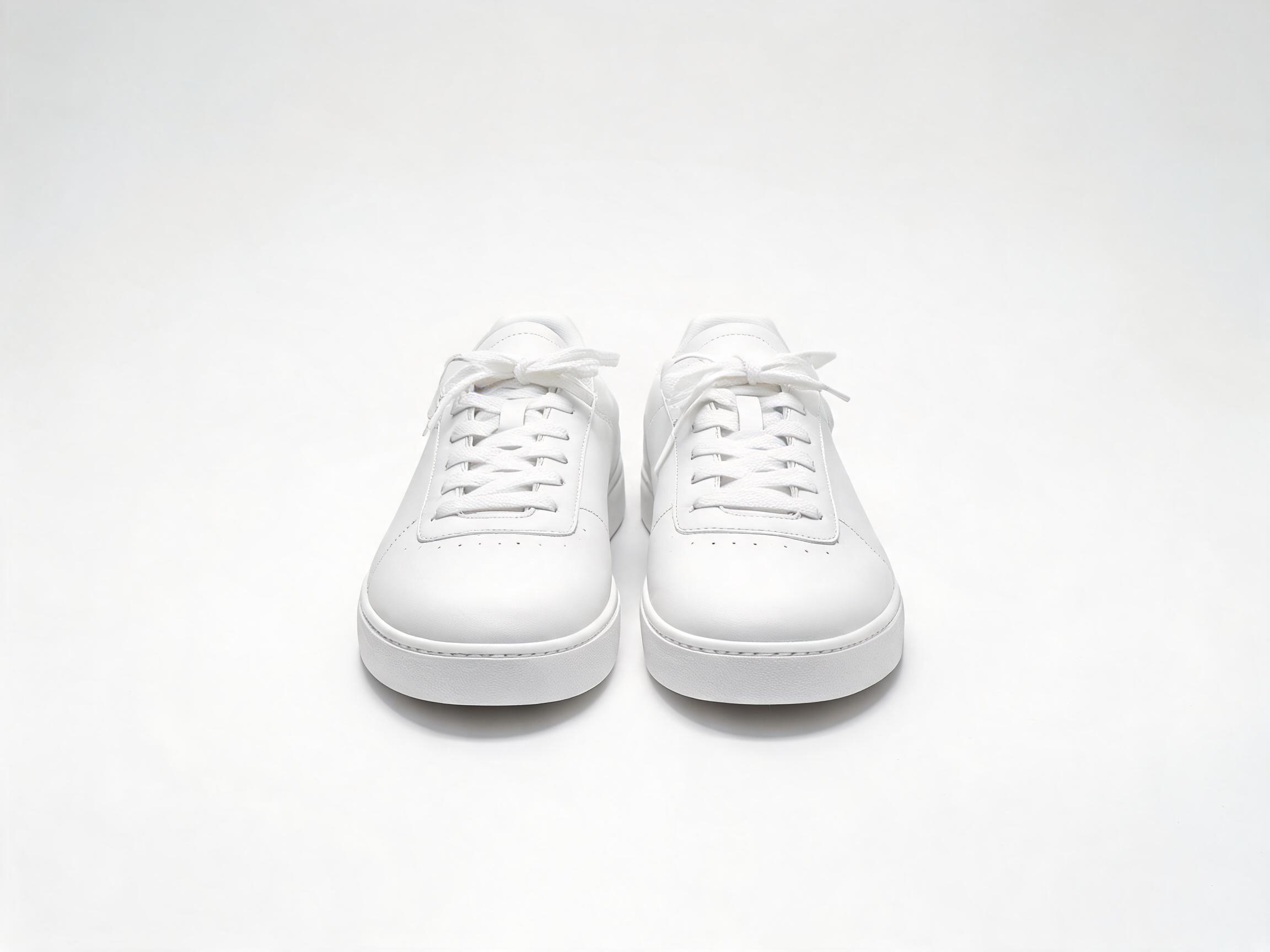
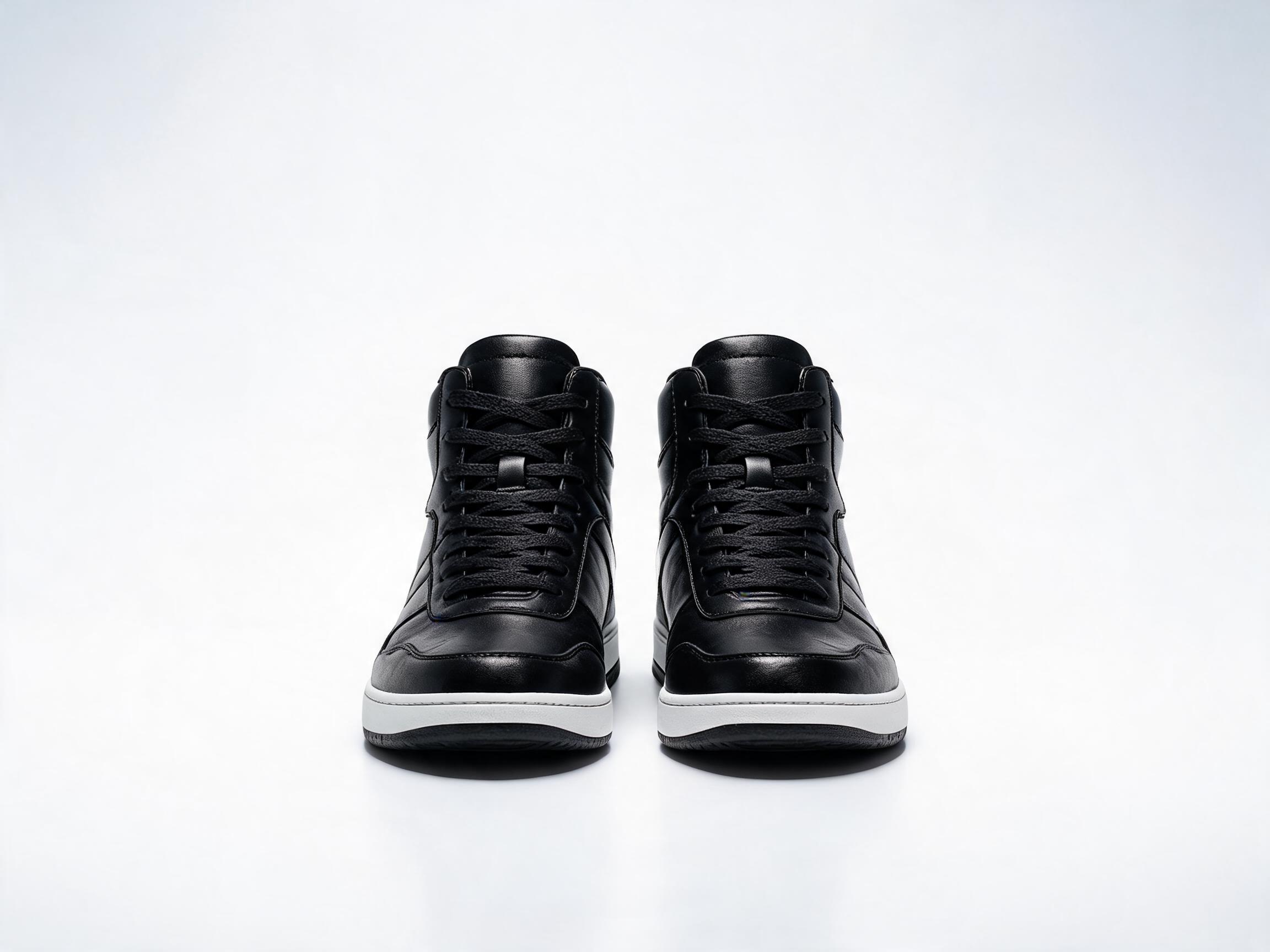
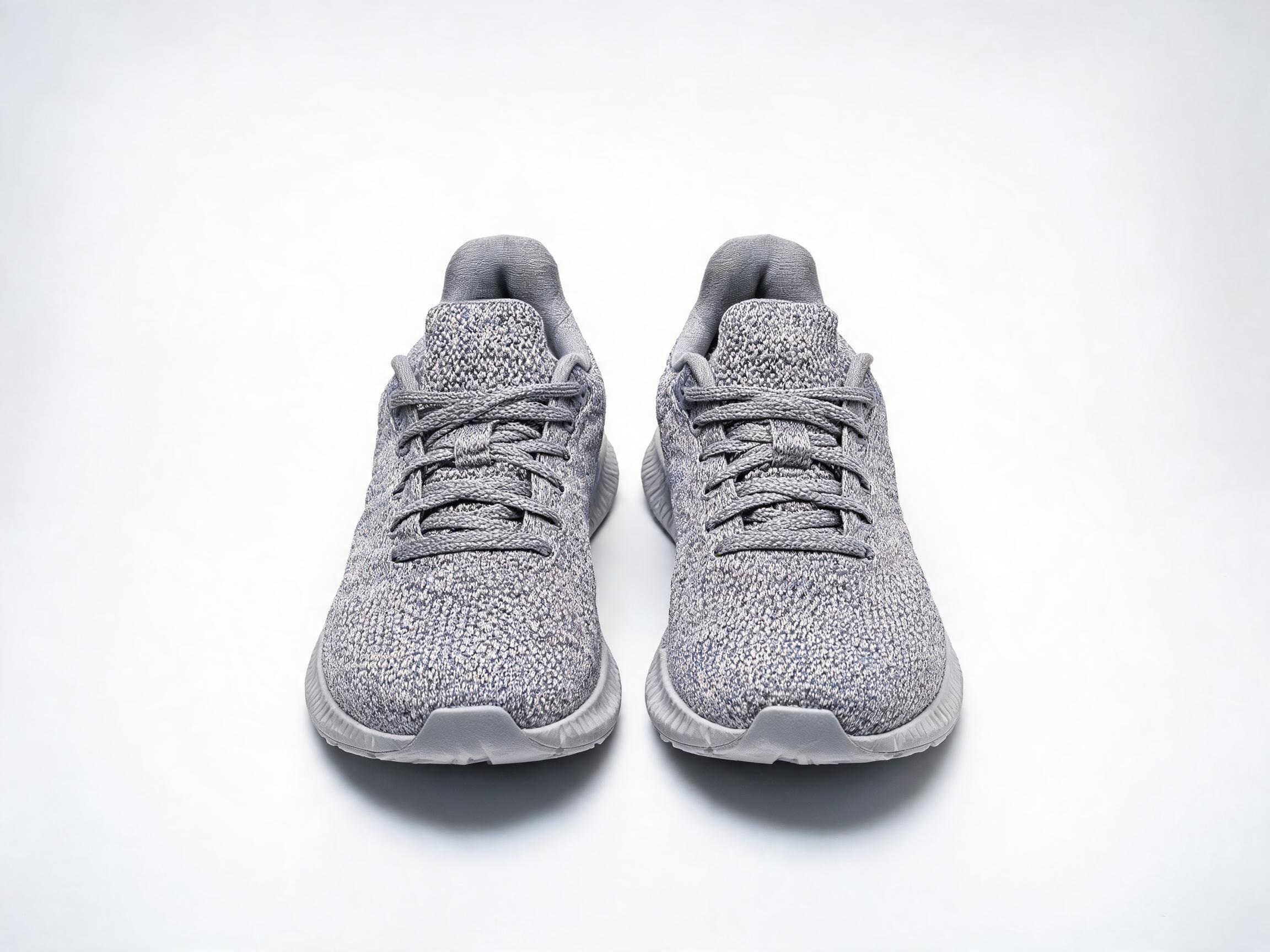
Reviews & ratings
★★★★★
Scene: a private-label sneaker wall build for a North American retail chain.
Verdict (record excerpt): “Shared lasts across leather and knit closed the fit gap customers kept pointing at.”
Verifiable result: no upper-family fit complaints were recorded on the wall after the shared-last program, per the scorecard note in the cooperation file.
Source: buyer cooperation record (Sarah, Sourcing Manager, North American retail chain cooperation file), Aurevia partner archive
★★★★★
Scene: a streetwear private-label line scaled by a Middle East distributor.
Verdict (record excerpt): “Leather grading per lot ended the batch drift; I still check the grade sheet each reorder.”
Verifiable result: the following reorder matched the approved counter sample, per the receiving-log note in the cooperation file.
Source: buyer cooperation record (Omar, Distribution Partner, Middle East distributor cooperation file), Aurevia partner archive
★★★★☆
Scene: a knit-versus-leather trial round run by a European footwear importer.
Verdict (record excerpt): “Written material criteria settled a choice we had argued twice; I would still trial both uppers once more.”
Verifiable result: the decision closed on written material criteria inside one trial round, per the cooperation record.
Source: buyer cooperation record (Michael, Purchasing Director, European footwear importer cooperation file), Aurevia partner archive
Certificates & quality evidence
- Recorded checks: every private-label sneaker order passes material intake grading per lot — leather and knit lots alike — construction review at lasting and sole attachment, and finished-shoe checks per bulk run against international quality standards; results are kept in the certificate archive.
- Verifiable on request: the material-library brief and the inspection checklist behind the published sneaker styles can be requested before signing; we provide what exists and state clearly what does not.
- Honest boundary: we document per-order evidence for the sneaker program; where a required certification is missing we say so instead of borrowing a badge.
Company strength
- Founded: 2011, based at No. 88 Jinjiang Industrial Zone, Quanzhou, Fujian, China.
- Team & factory: a 260-person team running sampling, cutting, stitching and QC from a modern footwear production workshop; private-label sneaker programs start from 100 pairs per color as listed on each product page.
- R&D: an in-house design team and pattern makers maintain sneaker last records, a leather and knit material library and pattern archives spanning low-top, high-top and knit running constructions.
- Capacity: sneaker lines run on one audited production plan with intake, construction and finished-shoe checks recorded per order across upper families.
- Partners: North American retail chains, European footwear importers and Middle East distributors.
- Export markets: Europe, North America and the Middle East.
FAQ
Which sneaker upper families can one private-label program cover?
Our recorded material library spans full-grain leather low-tops and high-tops plus breathable knit running uppers, all on shared last records; confirm your upper mix in the inquiry.
What MOQ applies per sneaker color?
Lines start from 100 pairs per color as listed on each product page, so a private-label trial can run on one upper family before the wall is committed.
Will leather and knit styles fit consistently on one wall?
Both upper families run on the same recorded last library, and construction is reviewed at the same zones per order; confirm your size-run standard in the inquiry.
How do we verify materials before committing the program?
Request the material-library brief and the per-order intake records before signing; we provide what exists and state clearly what does not.
Request a solution quotation
This inquiry carries the current solution page context, so our team can answer with the right program details.