
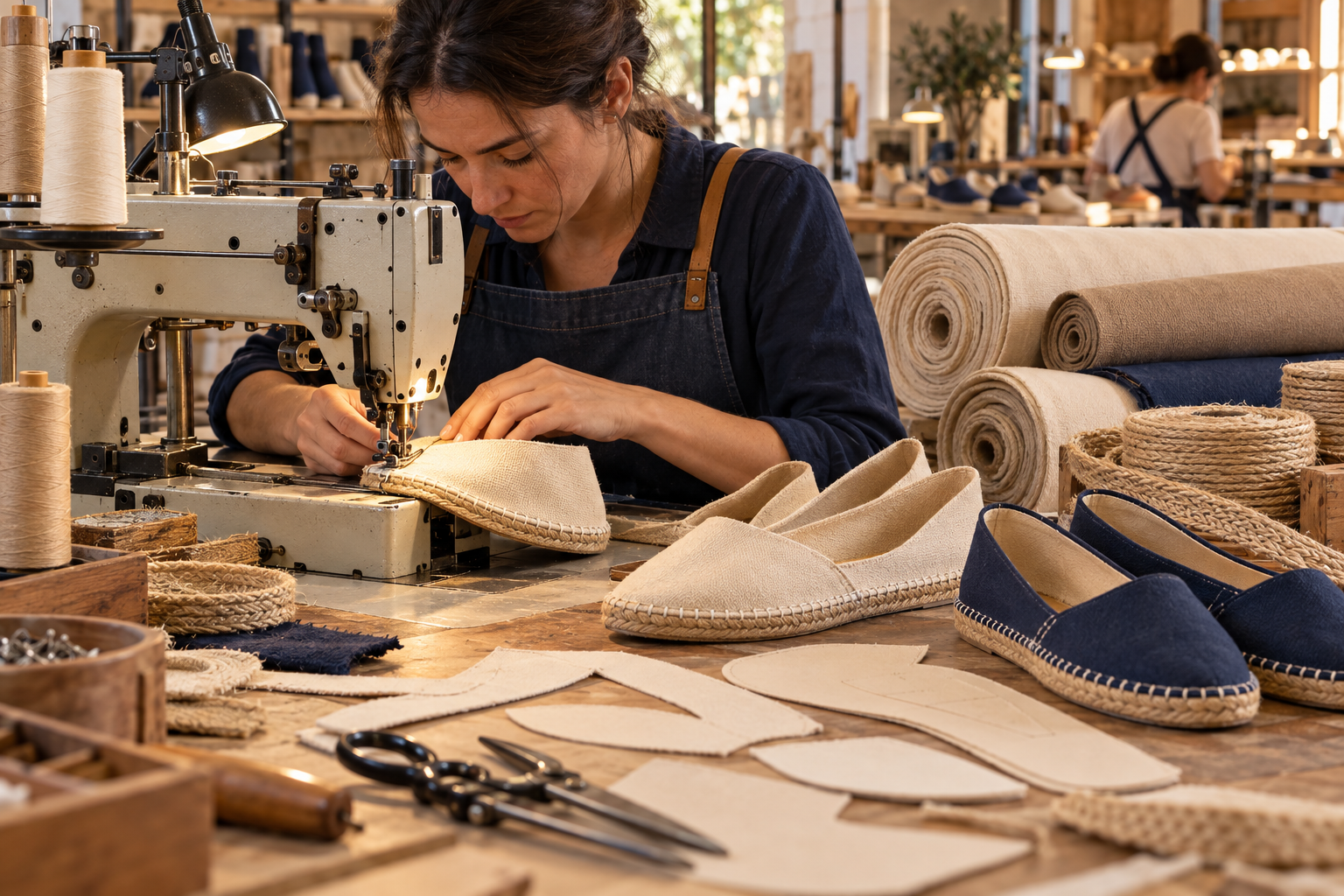
Canvas Shoe Manufacturers: Records Where Canvas Lines Drift
Canvas and espadrille programs with records where canvas drifts: material intake, cutting, stitch density per bulk run and locked jute trim references across seasons — new colorways reuse the existing pattern. MOQ from 100 pairs per color. OEM/ODM.
Discuss this solutionProgram facts you can verify
- OEM/ODM scope confirmed in writing before bulk production
- Private label support: logo, packaging and size grading
- Material, construction and finished-shoe inspection before shipment
- Confirmed ship dates stated in writing per order
Purchase decision helper
Select your requirements — we match them against our current published products and program rules.
Select options above to see matching products.
Matches are based on our current published catalog only.
Buyer pain points & our technical solution
The pain: canvas lines that drift between seasons
Buyers sourcing canvas shoe manufacturers usually run summer programs that reorder year after year — and canvas is unforgiving about drift. Jute trims are natural material, so seasons arrive with visibly different trim tones; stitch density loosens when bulk pressure rises; and a simple colorway change somehow triggers a full development cycle again. The business cost: a "same" product that reads as different lines on the shelf, and reorder calendars that slip.
Our solution: records at the stages where canvas actually drifts
We anchor canvas programs with written records at the drift points: canvas weight and weave confirmed at material intake, cutting per pattern record, stitch density verified at defined stages per bulk run, and jute trim sourcing locked against an approved reference before bulk — with lot references recorded honestly. New colorways reuse the existing pattern and material record instead of re-opening development. For the buyer this means seasons that read as one line, and summer reorders that hold the calendar, starting from 100 pairs per color as listed per style.
Customer cases
Case — a resort retailer's canvas espadrille line held trim color across two seasons
Who: a resort retailer running a canvas espadrille line across summer seasons. What we delivered: jute trim sourcing locked before bulk, with trim color recorded against the approved reference per season. Problem solved: jute trims are natural-material varied, so seasons kept arriving with visibly different trim tones. Before: each season's trim read as a different product line. Now: two seasons shipped with trim matched to the same locked reference. Data source: buyer cooperation record held in our backend partner archive (record: Resort Retailer Canvas Line), also presented on our case page.
Factory process case — canvas cutting and stitch density verified per bulk run
Who: our cutting and stitching QC team. What is used: canvas weight and weave confirmed at material intake, cutting per pattern record, stitch density checked at defined stages. Problem solved: canvas lines lose shape and stitch quality when bulk pressure rises. Before: loose uppers and uneven stitching surfaced at finished inspection. Now: cutting and stitch density are verified per bulk run, before lasting. Data source: factory cutting and stitching workflow records (company capability record: Inspection Before Shipment).
Case — a European importer added canvas colorways without re-opening development
Who: a European footwear importer extending a summer line with new canvas colorways. What we delivered: new colorways run on the existing pattern and material record. Problem solved: the importer feared a new color meant a new development cycle. Before: every color change triggered fresh sampling rounds. Now: colorways were added on the same written spec, with dye lots recorded at intake. Data source: importer program file in our backend partner archive.
Reviews & ratings
★★★★★
Scene: a summer espadrille capsule developed for a private-label program.
Verdict (record excerpt): "The trim color matched last season — the locked reference carried over."
Verifiable result: trim matched the locked reference across two seasons per the program record.
Source: buyer cooperation record (Sarah, Sourcing Manager, North American retail chain), Aurevia partner archive
★★★★★
Scene: a canvas flat restock ordered through a distributor channel.
Verdict (record excerpt): "Stitch density held in the big restock — the stage checks caught it before lasting."
Verifiable result: cutting and stitch checks recorded per bulk run in the program file.
Source: buyer cooperation record (Omar, General Manager, Middle East distributor), Aurevia partner archive
★★★★★
Scene: a summer line extension sourced via a European importer relationship.
Verdict (record excerpt): "Two new colorways shipped on the old pattern — no second development cycle."
Verifiable result: colorways added on the existing written spec with dye lots recorded at intake.
Source: buyer cooperation record (Michael, Purchasing Director, European footwear importer), Aurevia partner archive
Related products
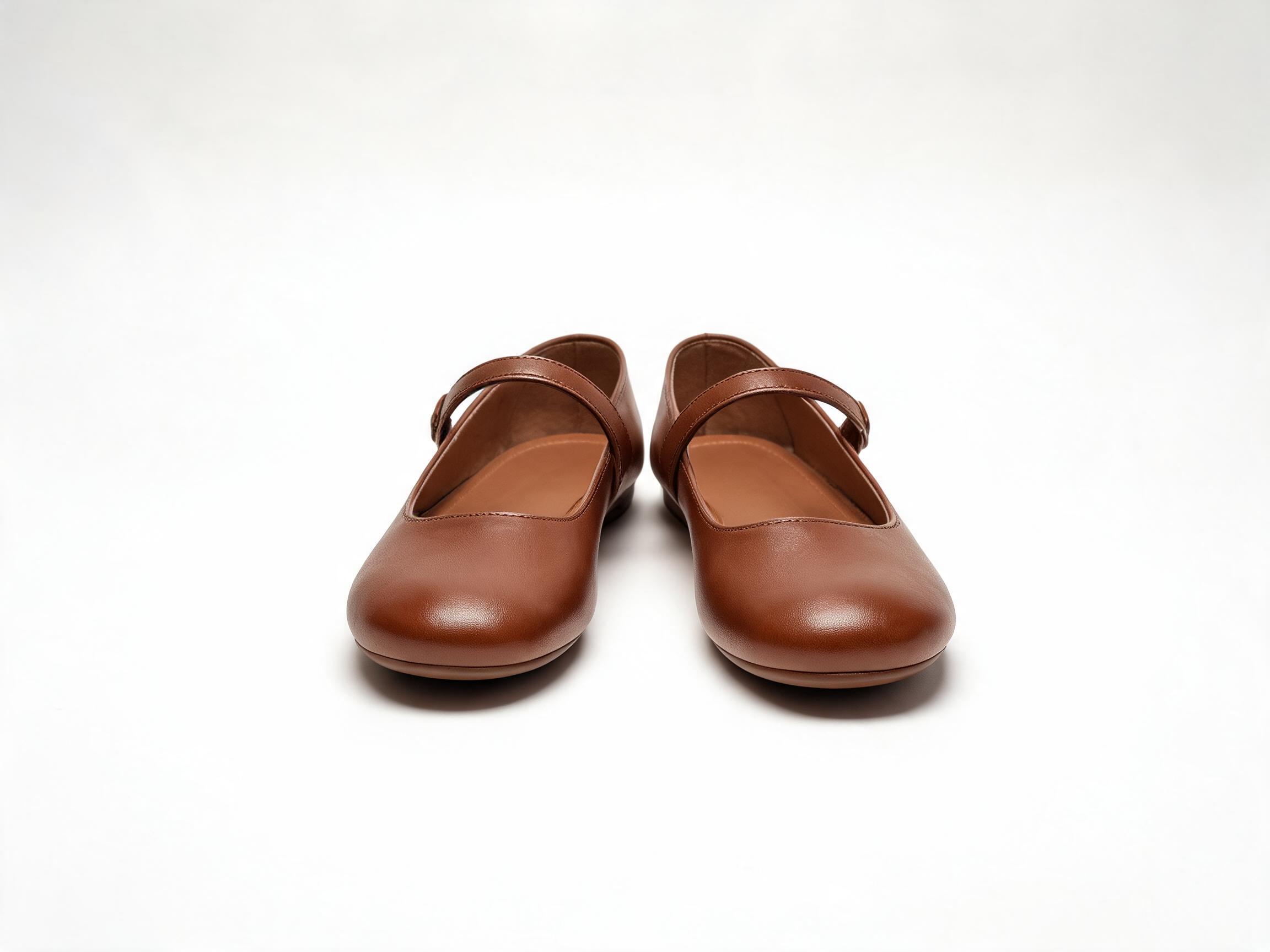
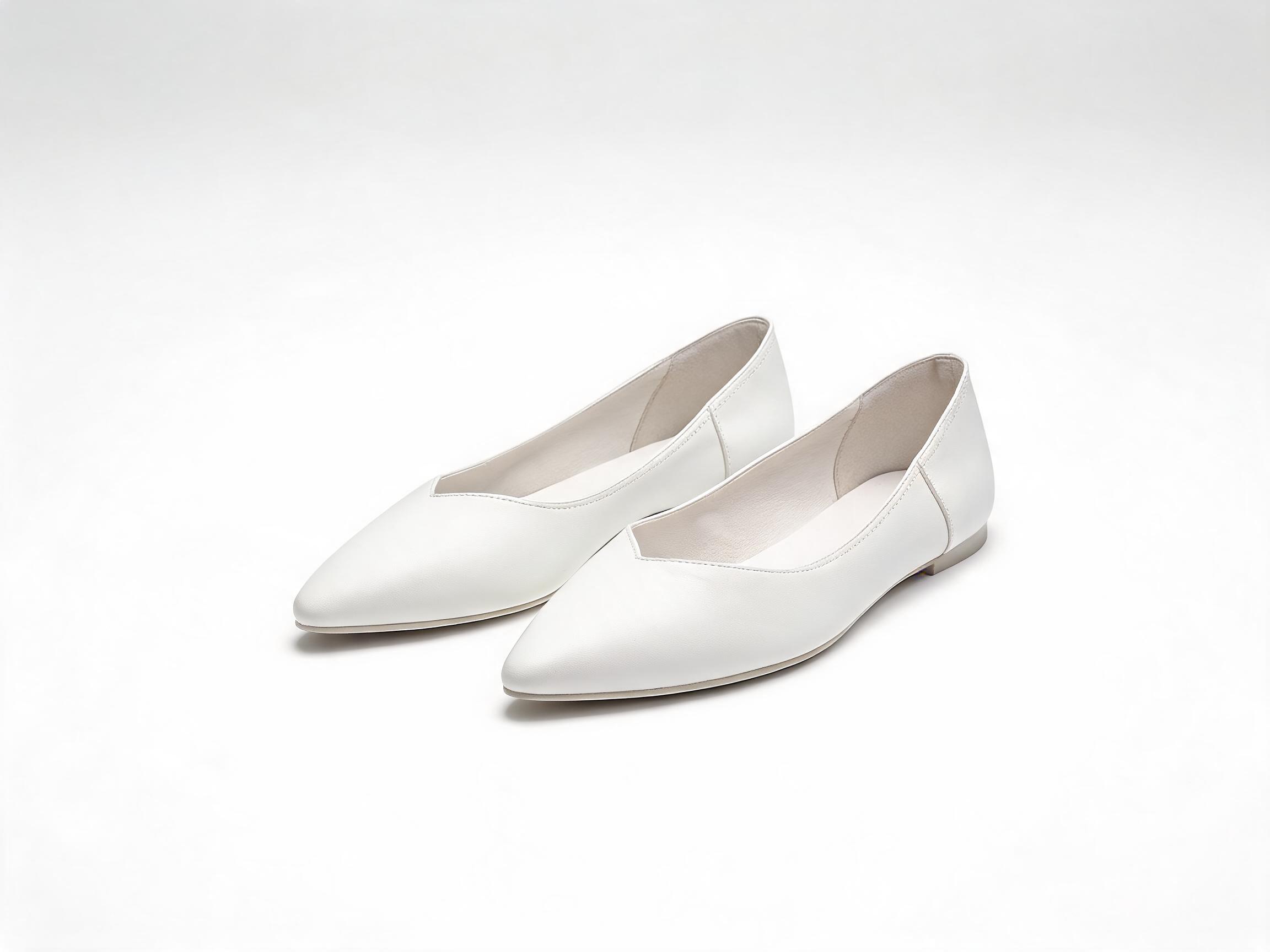
Company strength
- Founded: 2011, based at No. 88 Jinjiang Industrial Zone, Quanzhou, Fujian, China.
- Team & factory: a 260-person team running sampling, cutting, stitching and QC from a modern footwear production workshop; canvas and espadrille programs start from MOQ 100 pairs per color as listed per style.
- R&D: an in-house design team and pattern makers maintain canvas cutting records, stitch density specs and trim sourcing references per program.
- Capacity: canvas and espadrille builds run on one audited production plan with intake and finished-shoe checks recorded per order.
- Partners: North American retail chains, European footwear importers and Middle East distributors.
- Export markets: Europe, North America and the Middle East.
Certificates & quality evidence
- Recorded checks: every canvas order passes material intake, construction and finished-shoe checks against international quality standards; trim and stitching results are kept per order in the certificate archive.
- Verifiable on request: the inspection checklist and the trim/dye-lot documentation behind your canvas line can be requested before signing; we provide what exists and state clearly what does not.
- Honest boundary: natural jute trims vary by lot; we record lot references honestly instead of claiming perfect natural-material uniformity, and we do not claim certifications we cannot evidence.
FAQ
What MOQ applies to canvas and espadrille programs?
Canvas and espadrille styles start from 100 pairs per color as listed per style. Confirm the figure for your styles in the inquiry.
How do you keep jute trim color consistent across seasons?
Trim sourcing is locked against an approved reference before bulk, and lot references are recorded per season; natural variation is documented honestly rather than claimed away.
Can new canvas colorways reuse the existing development?
Yes — new colorways run on the existing pattern and material record, with dye lots recorded at material intake.
How is stitch quality kept in bulk runs?
Canvas cutting and stitch density are verified at defined stages per bulk run, before lasting, with results recorded in the order file.
Request a solution quotation
This inquiry carries the current solution page context, so our team can answer with the right program details.