
Wide Fit Shoes Wholesale: Fit Columns Recorded Per Style
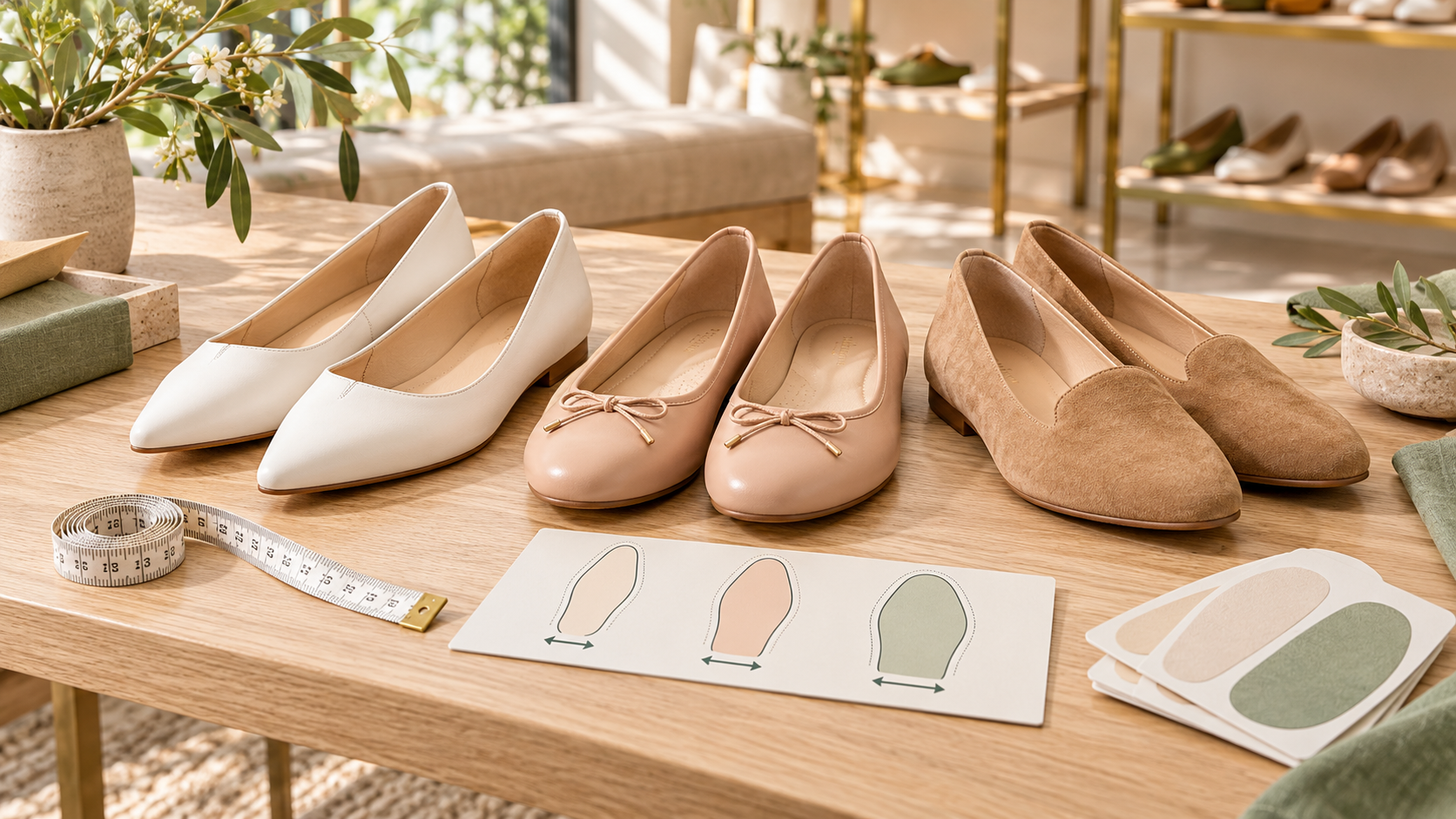
Wide fit shoes wholesale with recorded fit: width grading columns per style, documented toe shapes and per-lot material grading, finished-shoe checks per bulk run; from 100 pairs per color.
Program facts you can verify
- OEM/ODM scope confirmed in writing before bulk production
- Private label support: logo, packaging and size grading
- Material, construction and finished-shoe inspection before shipment
- Confirmed ship dates stated in writing per order
Buyer pain points & our technical solution
The pain: “wide fit” on the box, nothing measured inside it
Wide fit programs fail in a specific way: the carton says wide fit, the returns say otherwise. Buyers rarely receive width data per style — no recorded width grading columns, no statement of which toe shapes actually run wide — so the range is assembled from supplier claims. Shoppers with wide feet try the shoes, feel the same squeeze as the standard fit, and the return rate erases the margin the program was built on.
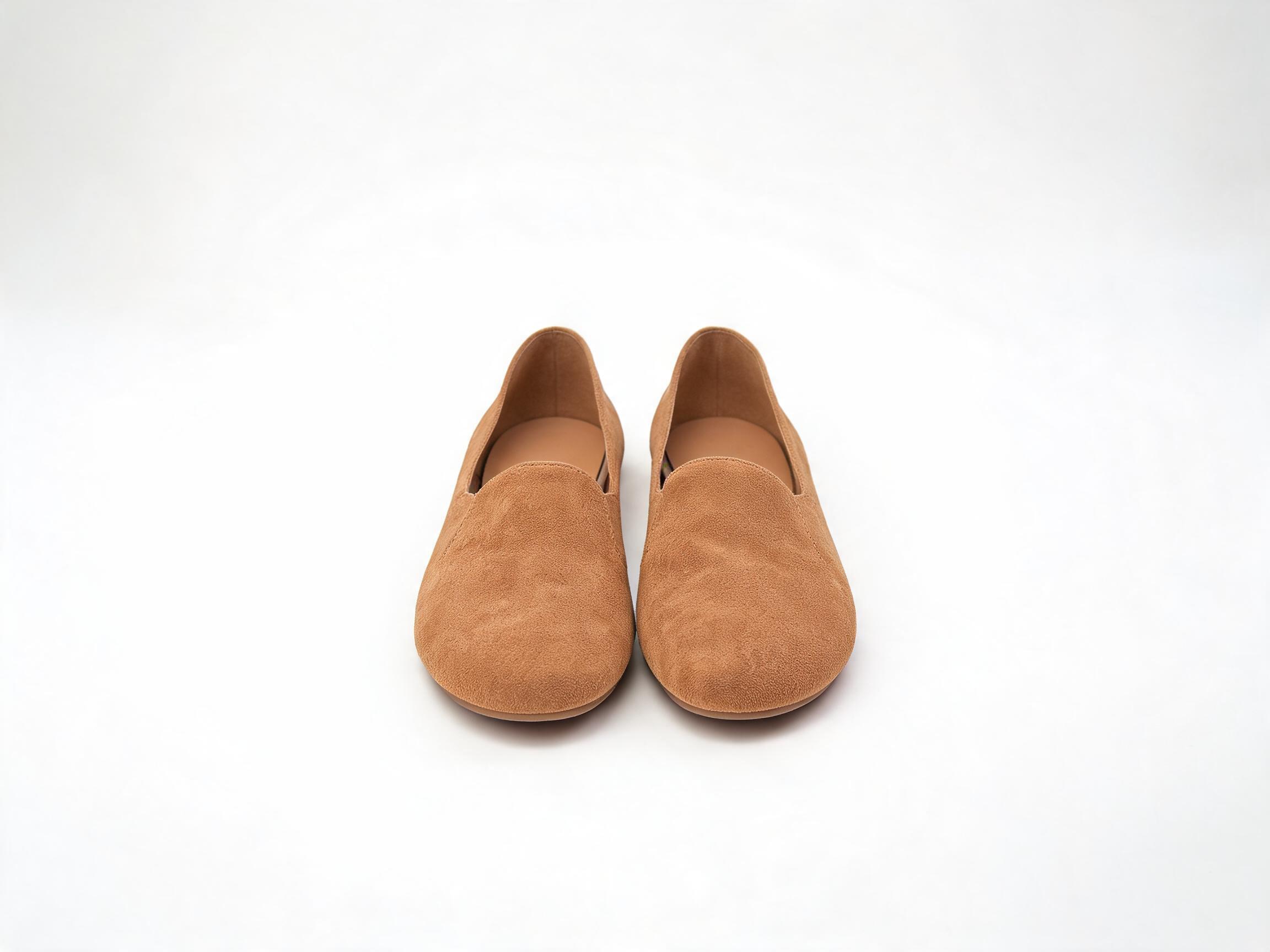
Our solution records the fit instead of labeling it: width grading columns are kept per style, toe shapes are documented against the last, and the size-grading table is locked per order. Materials — nappa leather, suede, canvas and jute — are graded at intake per lot, and finished-shoe checks run per bulk run. The buyer can state, per style, what the fit actually is, and defend it in reviews.
Related products
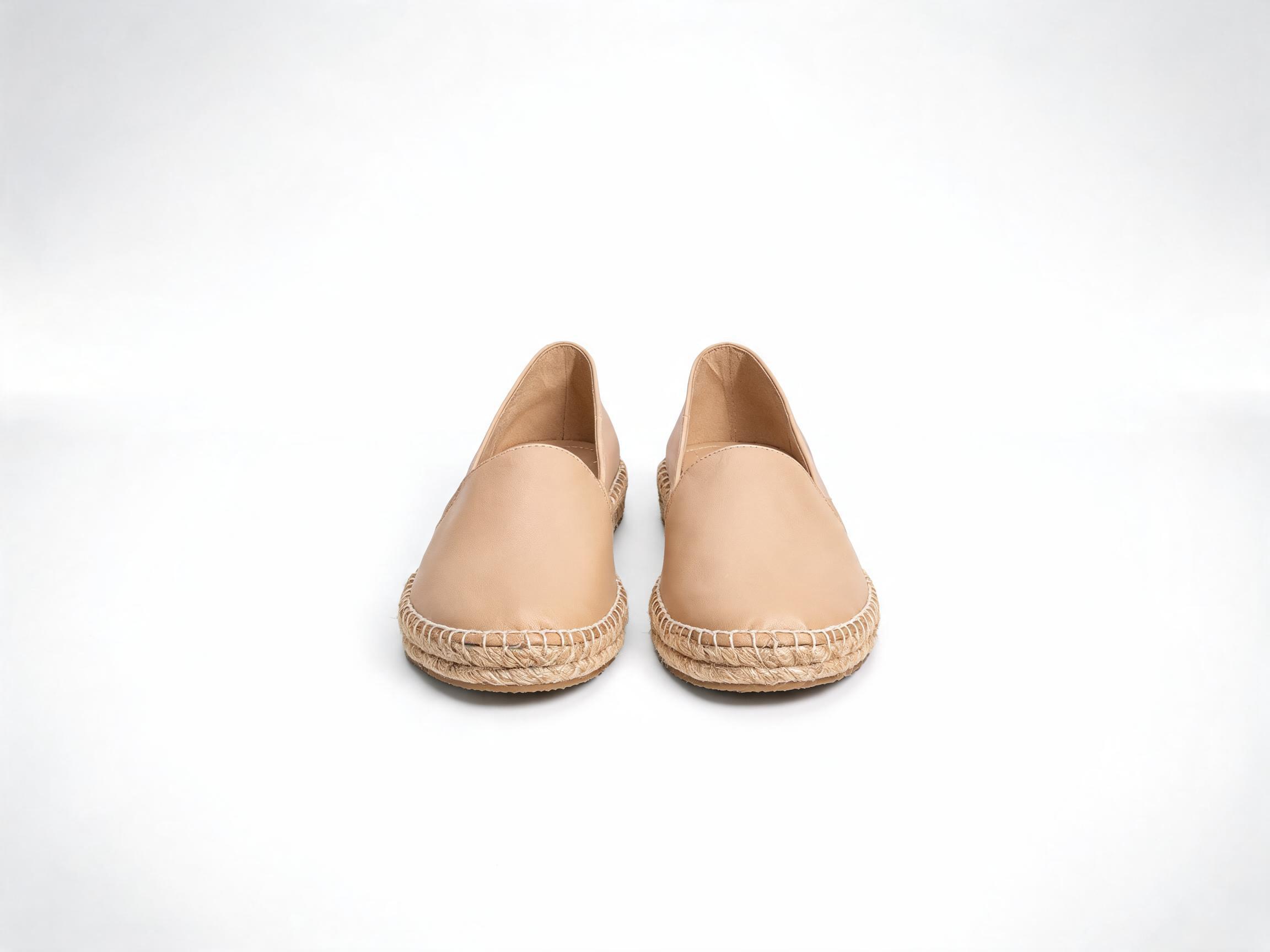
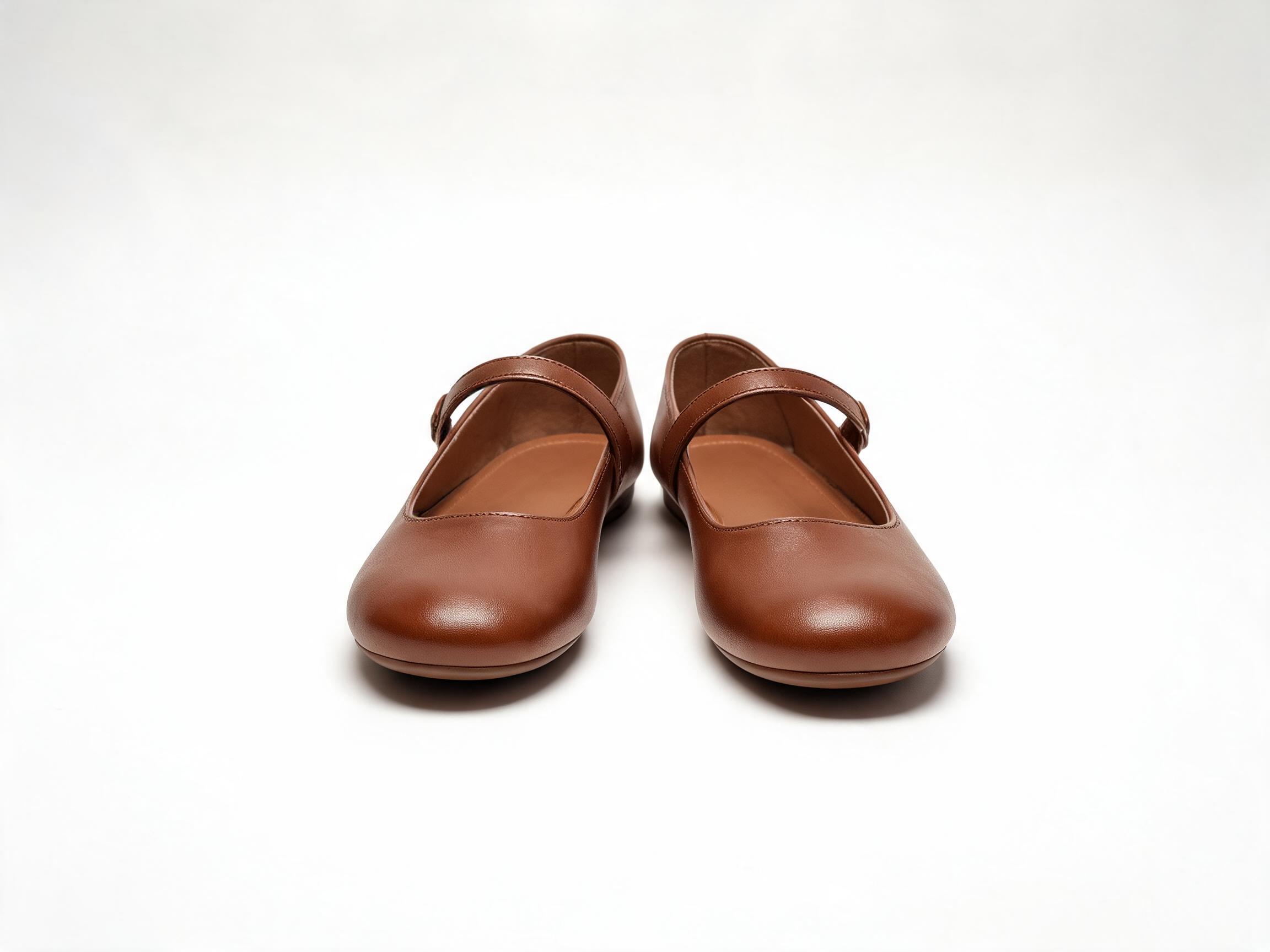
Purchase decision helper
Select your requirements — we match them against our current published products and program rules.
Select options above to see matching products.
Matches are based on our current published catalog only.
Customer cases
Case — a North American retail chain published width columns and cut fit disputes
Who: a North American retail chain rebuilding a comfort flats program with a wide-fit tier. What we delivered: recorded width grading columns per style, documented against the last, with the size-grading table locked per order. Problem solved: the previous “wide fit” tier carried no width data, so fit claims could not be answered. Before: wide-fit returns were indistinguishable from standard-fit returns. Now: the range shipped with recorded width grading per style, per the cooperation record. Data source: buyer cooperation record in our backend partner archive.
Case — a European footwear importer documented toe shapes instead of guessing
Who: a European footwear importer planning a ballet flat range with two toe shapes. What we delivered: toe shapes documented against the last per style, with finished-shoe checks per bulk run against the locked order standard. Problem solved: the buyer could not tell which shapes actually ran wider without another sampling round. Before: range planning relied on supplier descriptions. Now: the trial extended into a second toe shape based on recorded fit data, per the scorecard note in the cooperation file. Data source: buyer cooperation record in our backend partner archive.
Case — a Middle East distribution partner held material grades across summer restocks
Who: a Middle East distribution partner restocking canvas and jute flats across two summer seasons. What we delivered: per-lot material intake grading against the approved counter sample, recorded with each shipment. Problem solved: canvas weight and jute finish varied between restock batches. Before: material conversations restarted each season. Now: restock batches passed the recorded per-lot material grading, per the cooperation record. Data source: buyer cooperation record in our backend partner archive.
Certificates & quality evidence
- Recorded checks: every order passes material intake grading per lot, width grading and toe-shape verification against the locked order standard, and finished-shoe checks per bulk run against international quality standards; results are kept in the certificate archive.
- Verifiable on request: the width grading columns and fit record behind the published flats can be requested before signing; we provide what exists and state clearly what does not.
- Honest boundary: we document per-order evidence for the fit program; where a required certification is missing we say so instead of borrowing a badge.
Company strength
- Founded: 2011, based at No. 88 Jinjiang Industrial Zone, Quanzhou, Fujian, China.
- Team & factory: a 260-person team running sampling, cutting, stitching and QC from a modern footwear production workshop; flats programs start from 100 pairs per color as listed on each product page.
- R&D: an in-house design team and pattern makers maintain width grading columns per style, toe-shape records against the last and a material library spanning nappa leather, suede, canvas and jute.
- Capacity: flats lines run on one audited production plan with intake, fit verification and finished-shoe checks recorded per order.
- Partners: North American retail chains, European footwear importers and Middle East distributors.
- Export markets: Europe, North America and the Middle East.
Reviews & ratings
★★★★★
Scene: a comfort flats program with width columns run by a North American retail chain.
Verdict (record excerpt): “Publishing the width columns cut our fit-related returns conversations noticeably.”
Verifiable result: the range shipped with recorded width grading per style, per the cooperation record.
Source: buyer cooperation record (Sarah, Sourcing Manager, North American retail chain cooperation file), Aurevia partner archive
★★★★☆
Scene: a summer flats restock run by a Middle East distribution partner.
Verdict (record excerpt): “Canvas and jute grades hold across restocks; I still ask for the material card each season.”
Verifiable result: restock batches passed the recorded per-lot material grading, per the cooperation record.
Source: buyer cooperation record (Omar, Distribution Partner, Middle East distributor cooperation file), Aurevia partner archive
★★★★★
Scene: a ballet flat trial run by a European footwear importer.
Verdict (record excerpt): “Documented toe shapes made the range plan obvious without another sampling round.”
Verifiable result: the trial extended into a second toe shape, per the scorecard note in the cooperation file.
Source: buyer cooperation record (Michael, Purchasing Director, European footwear importer cooperation file), Aurevia partner archive
FAQ
Is width data actually recorded per style?
Yes — width grading columns are kept per style and the size-grading table is locked per order; ask for the fit record before signing.
Which toe shapes run widest?
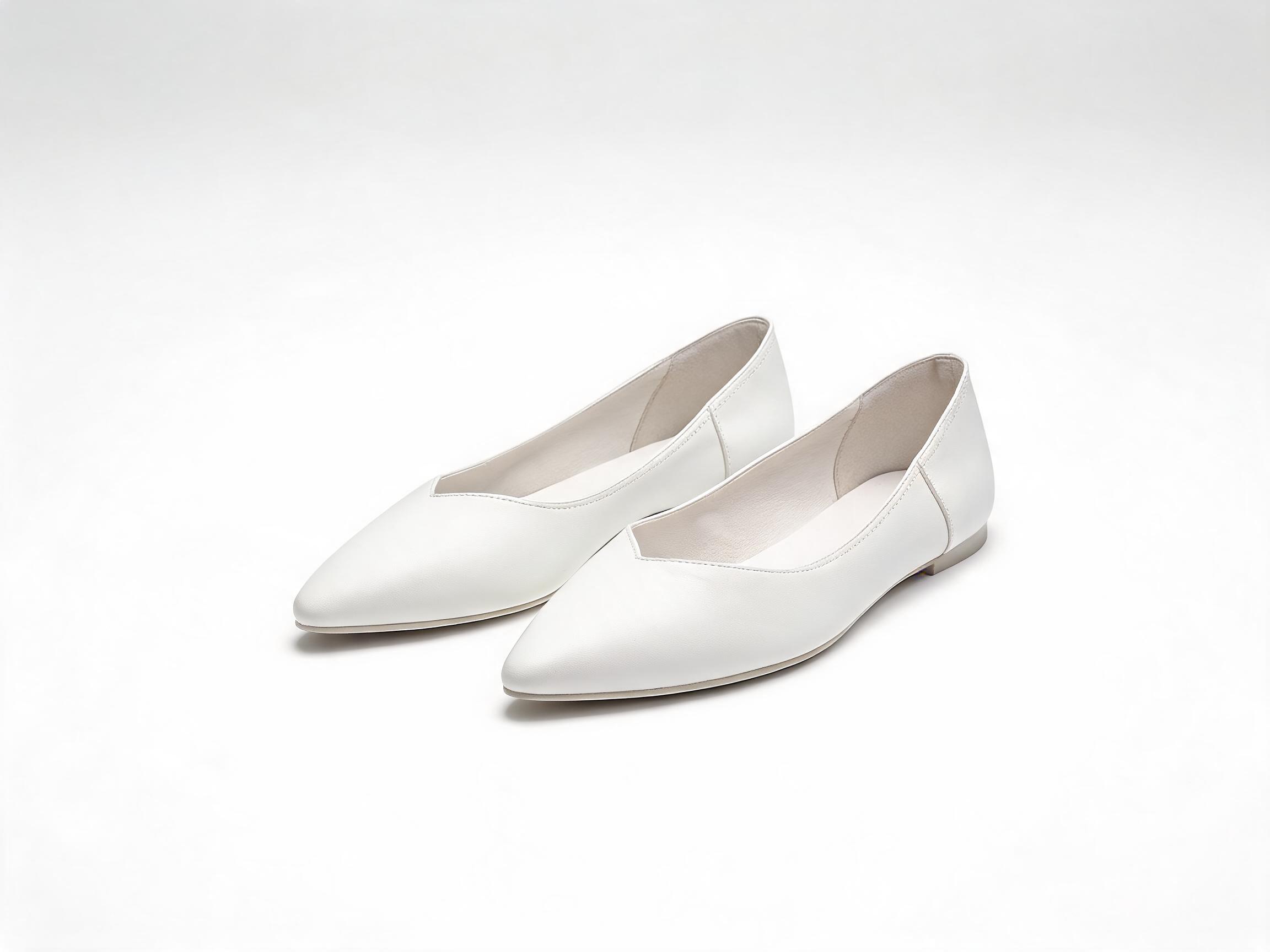
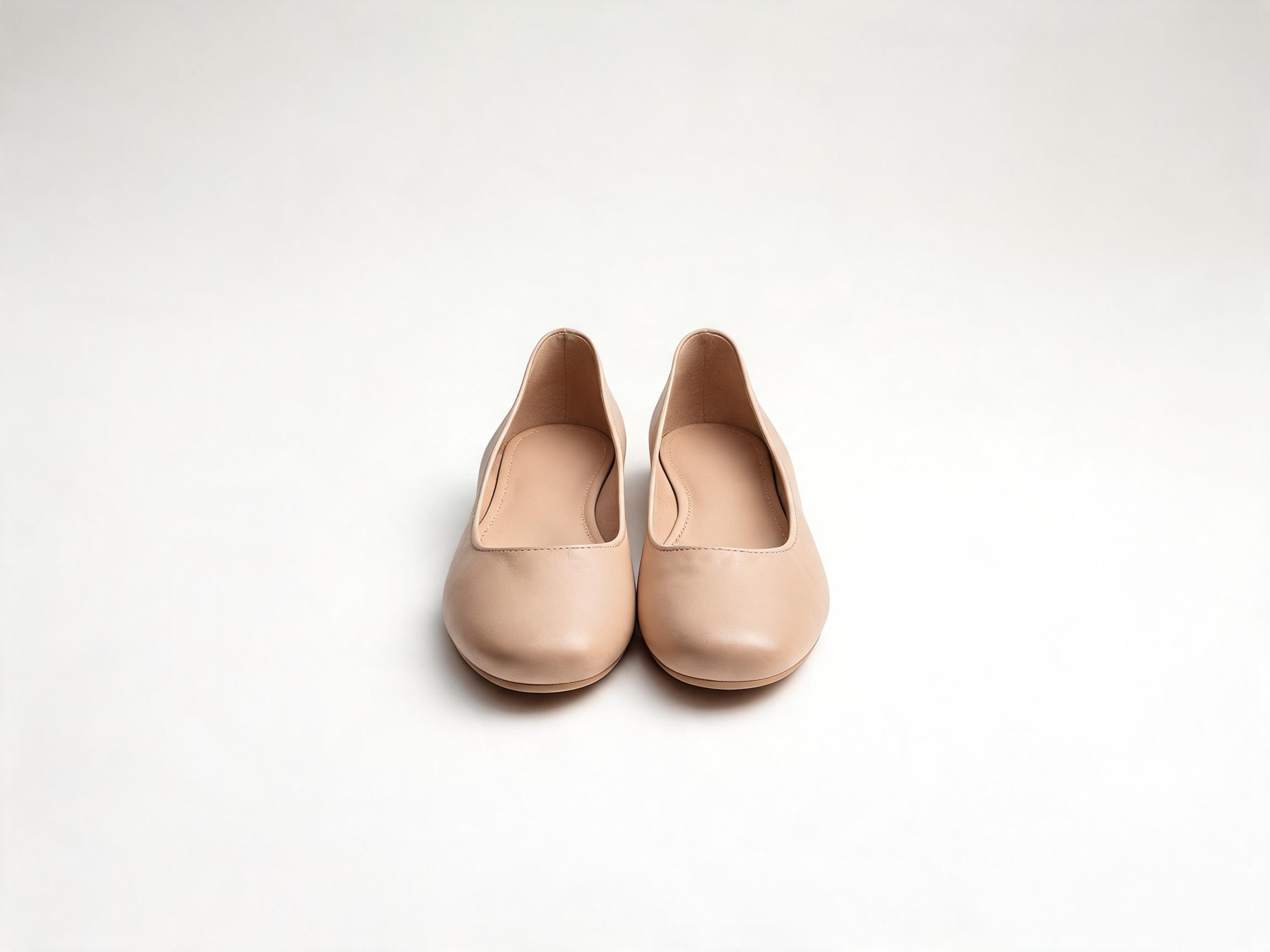
Round-toe and ballet constructions hold the widest columns in the published flats; pointed styles are recorded separately so the range can be planned honestly.
What MOQ applies per color?
Flats lines start from 100 pairs per color as listed on each product page, so a buyer can trial one construction before extending the range.
How are materials kept consistent across bulk runs?
Nappa leather, suede, canvas and jute are graded at intake per lot against the approved counter sample, and the results are recorded with each shipment.
Request a solution quotation
This inquiry carries the current solution page context, so our team can answer with the right program details.