
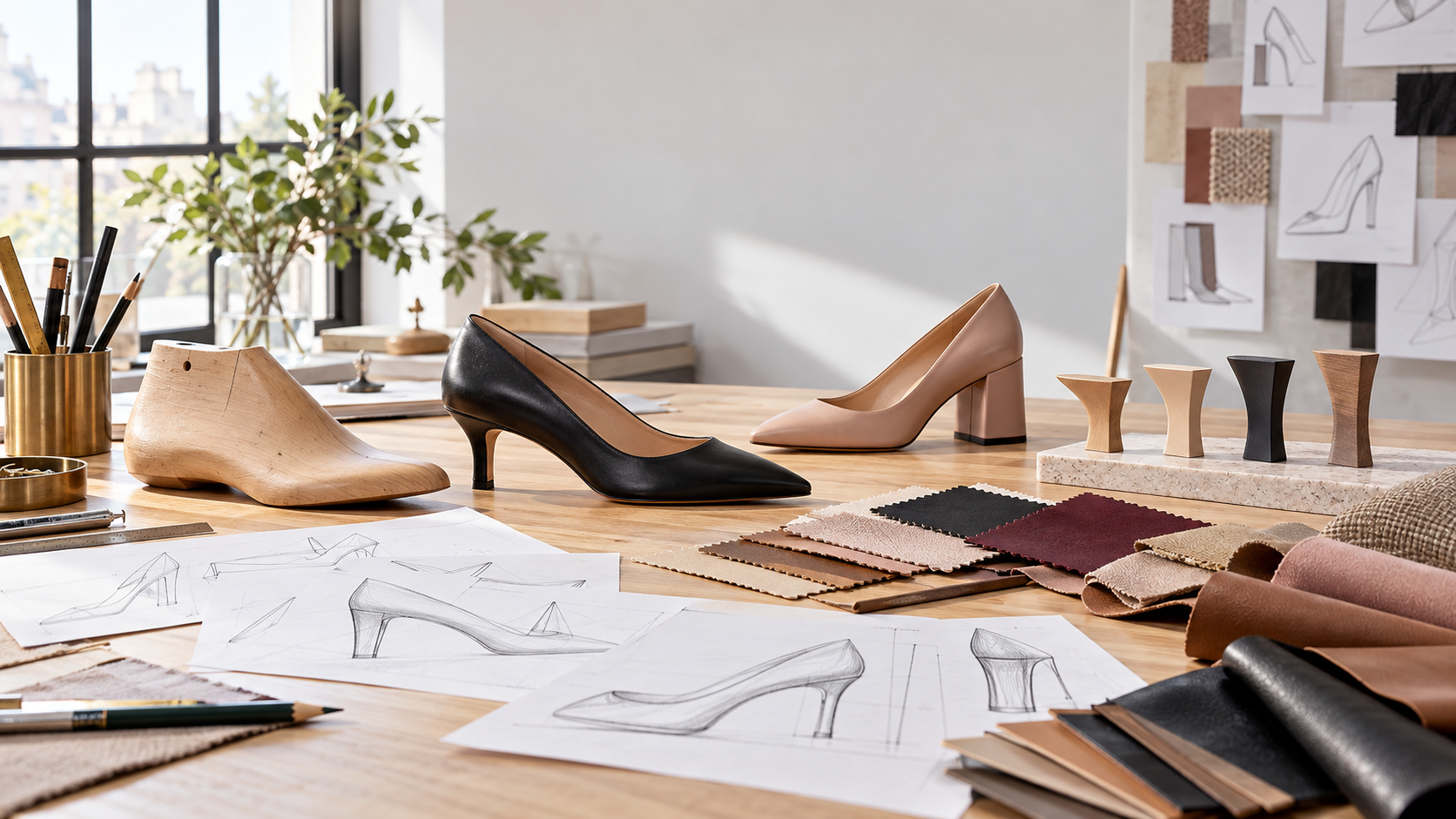
Shoe Design Manufacturers
In-house design and pattern teams turn buyer trend boards into written heel specs, graded fit at sampling, and bulk inspected against the approved sample — pump, block-heel, stiletto and occasion programs from one design-to-sample path.
Buyer pain points & our technical solution
What B2B buyers struggle with
When buyers look for shoe design manufacturers, the failures cluster around development, not production: trend boards that never survive sampling, because the factory copies a photo without translating heel height, topline and materials into a spec; fit that was never graded, so bulk runs feel different across sizes; and design feedback that goes nowhere, leaving the buyer stuck between a stock catalog and a full bespoke program. The impact: seasons slip, sampling cost doubles, and the final collection looks like everyone else's.
Our technical solution
Aurevia Footwear runs an in-house design and pattern team that turns trend boards, sketches or references into written per-style specs — heel height, topline, material and fit grade — before the first sample is made. Heel development covers block, pump, stiletto and occasion constructions, with fit graded on the last and confirmed at sampling. Buyers get a design-to-sample path they can inspect at each step: written specs first, graded samples second, bulk inspected against the approved sample. No re-development each season, no undocumented changes between sample and shelf.
Related products
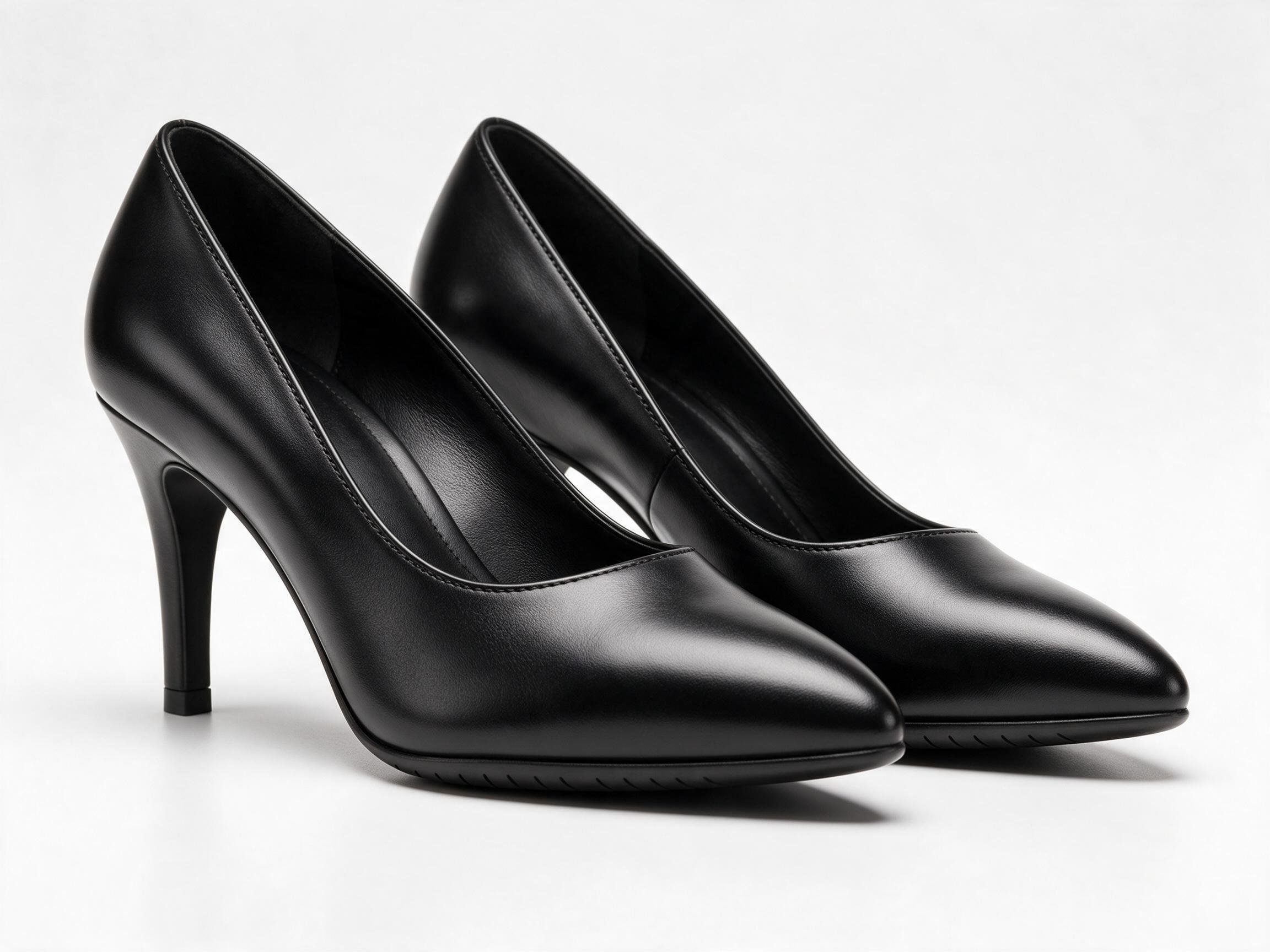
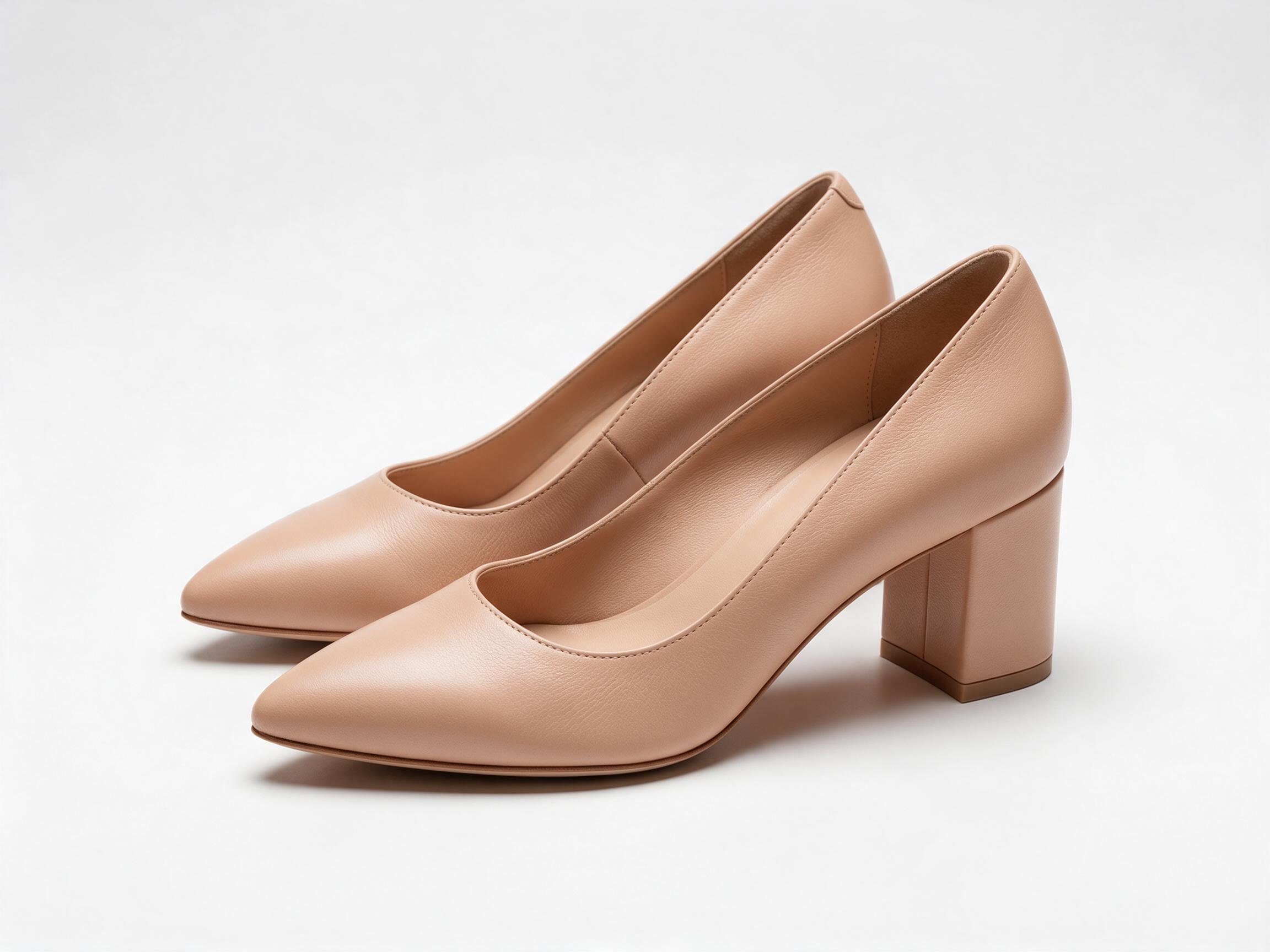
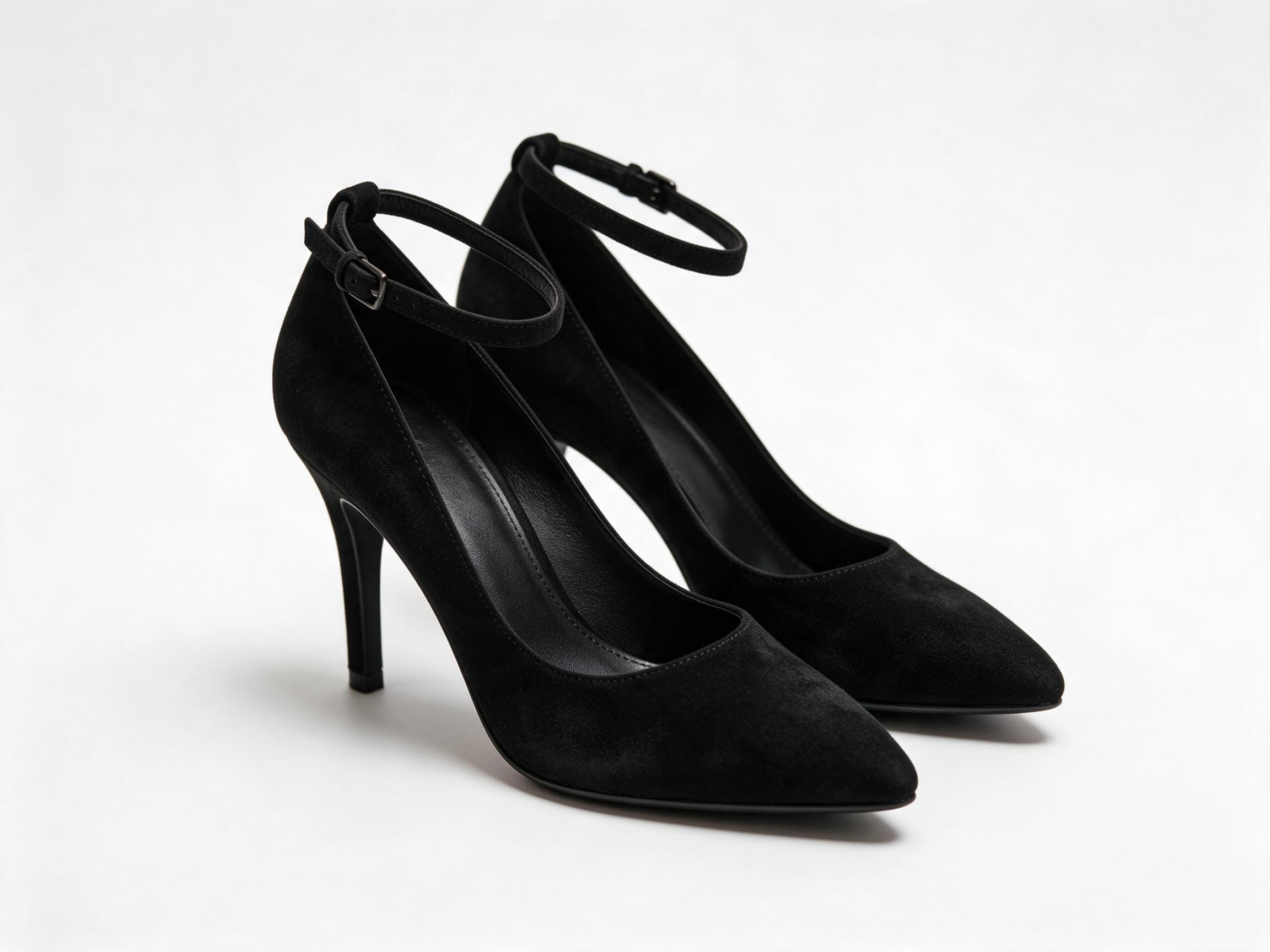
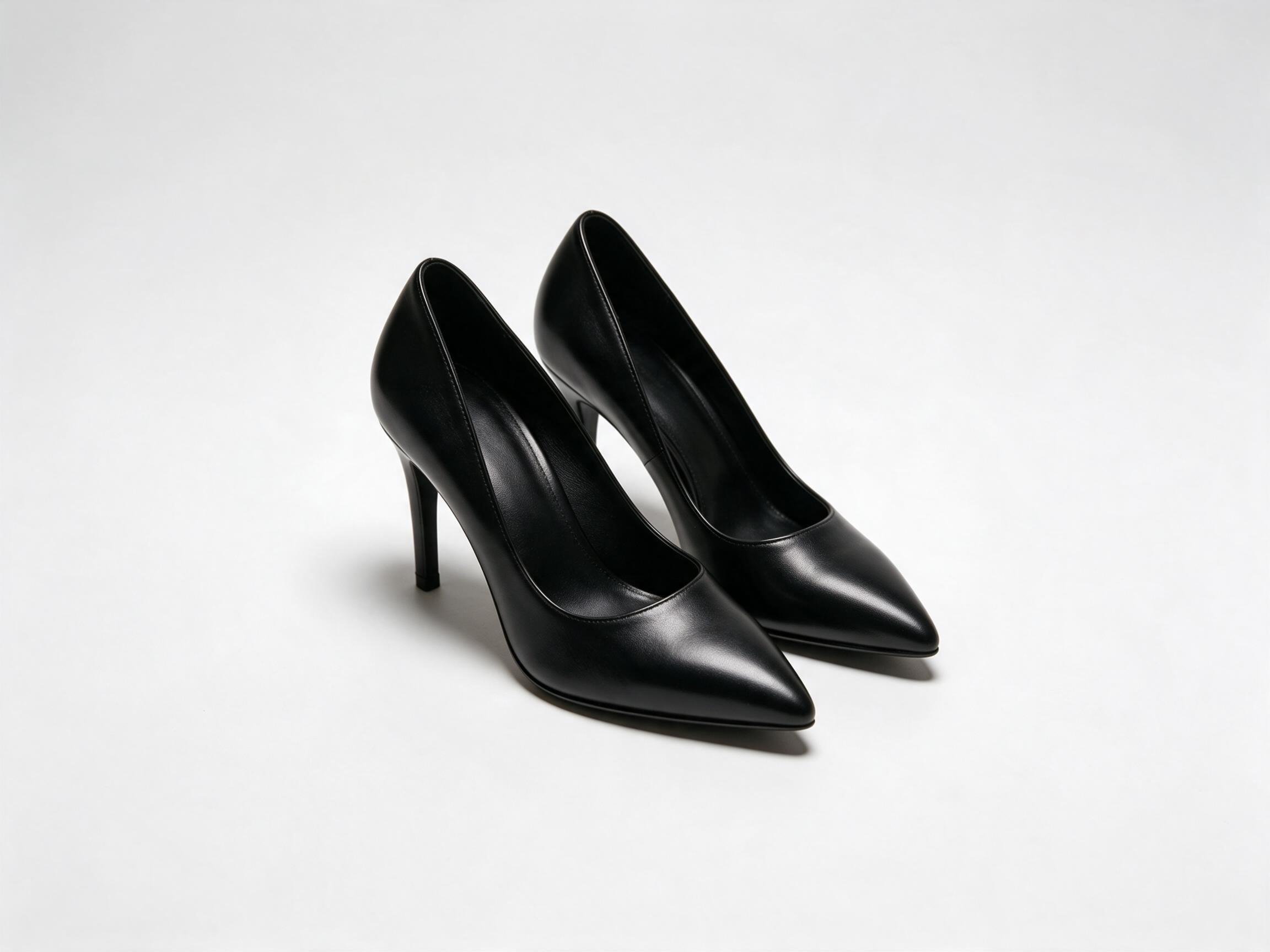
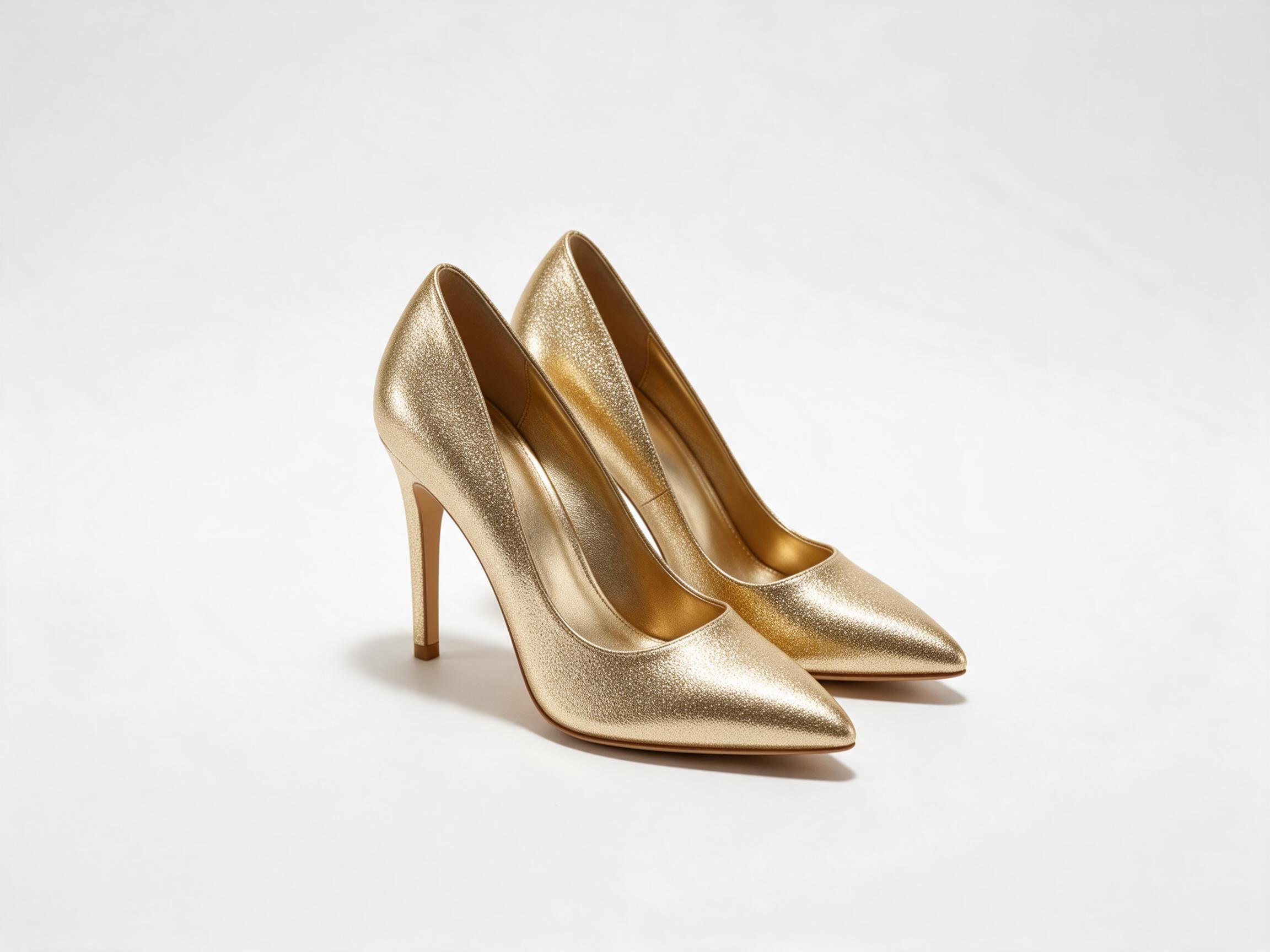
Customer cases
Case — a private label heel line developed in three heel families
Who: a European footwear importer running a private label heel line for retail chains (partner record: European Footwear Importer Private Label Program). What is used: the in-house design and pattern teams turned the buyer's trend board into block-heel, classic-pump and stiletto families, each with a written heel-height and fit spec. Problem solved: designs used to arrive as single prototypes that drifted from the approved trend direction. Before: each season's samples needed rounds of renegotiation before matching the trend board. After: sampling produced graded size runs with heel heights matched to the board, and the line shipped as three coordinated heel families. Data source: partner program records held in the Aurevia partner archive.
Case — market feedback turned into sellable heel styles
Who: a Middle East distributor whose design feedback shapes new women's styles each season (testimonial record: Strong design support for our market). What is used: the design team worked from the distributor's market feedback to spec heel heights, topline shapes and colorways before sampling. Problem solved: styles designed without market input used to sell unevenly across doors. Before: the distributor adjusted styles after bulk, absorbing markdown risk. After: heel specs locked at sampling match local demand, and the leather collection sold strongly in its market. Data source: program design records held in the Aurevia partner archive.
Purchase decision helper
Select your requirements — we match them against our current published products and program rules.
Select options above to see matching products.
Matches are based on our current published catalog only.
Reviews & ratings
★★★★★
Scene: a women's heels program planned for a retail chain's core office range.
Verdict (record excerpt): "The block heel they signed off at sampling is the one our stores stock — comfort complaints did not follow the style into bulk."
Verifiable result: fit and heel height confirmed at sampling before bulk, released under per-order inspection records.
Source: buyer cooperation record (Sarah, Purchasing Manager, North American retail chain), Aurevia partner archive.
★★★★★
Scene: new heel styles developed for a distributor's event retail doors.
Verdict (record excerpt): "Heel samples arrived with the height and insole specs written per style — our buyers could compare three options in one meeting."
Verifiable result: per-style spec documentation delivered with each sampling round under the program record.
Source: buyer cooperation record (Omar, Managing Partner, Middle East sports footwear distributor), Aurevia partner archive.
★★★★★
Scene: a private label heel line planned from a European importer's trend board.
Verdict (record excerpt): "The trend board survived sampling intact — three heel families shipped without a redesign cycle."
Verifiable result: three heel families developed from one approved board under the program record, with the design record held per program in the partner archive.
Source: buyer cooperation record (Michael, Category Buyer, European footwear importer), Aurevia partner archive.
Company strength
- Founded: 2011, based at No. 88 Jinjiang Industrial Zone, Quanzhou, Fujian, China.
- Team & factory: a 260-person team with dedicated design, pattern and sampling roles feeding organized production lines for women's heeled footwear.
- R&D: in-house design and pattern teams develop pump, block-heel, stiletto and occasion programs from buyer trend boards and references, with heel height and fit graded and confirmed at sampling.
- Capacity: stable bulk output for OEM and ODM heel programs across repeat seasons.
- Partners: European footwear importers, North American retail chains and Middle East distributors on long-term programs.
- Export markets: Europe, North America and the Middle East.
Certificates & quality evidence
- Quality inspection & test reports: every heel order passes material, construction and finished-shoe inspection against international quality standards before shipment; heel tip and shank checks are written into the per-style spec; records are kept in the backend certificate archive.
- Verifiable on request: buyers may request the inspection checklist and material documentation applicable to their heel program before signing; we provide what exists and state clearly what does not.
- Honest boundary: we do not claim certifications we cannot evidence; ask for supporting files for any specific market requirement and we confirm applicability honestly.
FAQ
Can you develop heels from a trend board instead of a physical sample?
Yes — the design team works from trend boards, sketches or references and returns heel-height options with material and topline proposals before the first sample, so the direction is agreed in writing before sampling cost is spent.
Which heel heights are available for a women's program?
Current published styles run from 5 cm block heels to 10 cm stilettos. Custom heel heights are developed as part of the sampling process and confirmed in the written quotation.
How is fit graded across sizes?
Fit is graded on the last at sampling and written into the per-style spec; bulk is inspected against the approved sample in every lot, so the size run your stores receive matches what was signed off.
What is the MOQ for a designed heel program?
Published heel styles list MOQ 100 pairs per color. For new private label heel development, MOQ is confirmed in the written quotation after sampling.
Request a solution quotation
This inquiry carries the current solution page context, so our team can answer with the right program details.