
Bulk Shoes Suppliers: Volume Terms Without Blanket Specs
Bulk shoes suppliers with the spec written down: locked material standards and size tables, per-lot intake grading and finished-shoe checks per bulk run; leather lines from 100 pairs per color.
Discuss this solution- Founded
- 2011
- Team
- 260
- Export markets
- Europe · North America · Middle East
Buyer pain points & our technical solution
The pain: the bulk quote is cheap until the spec is written down
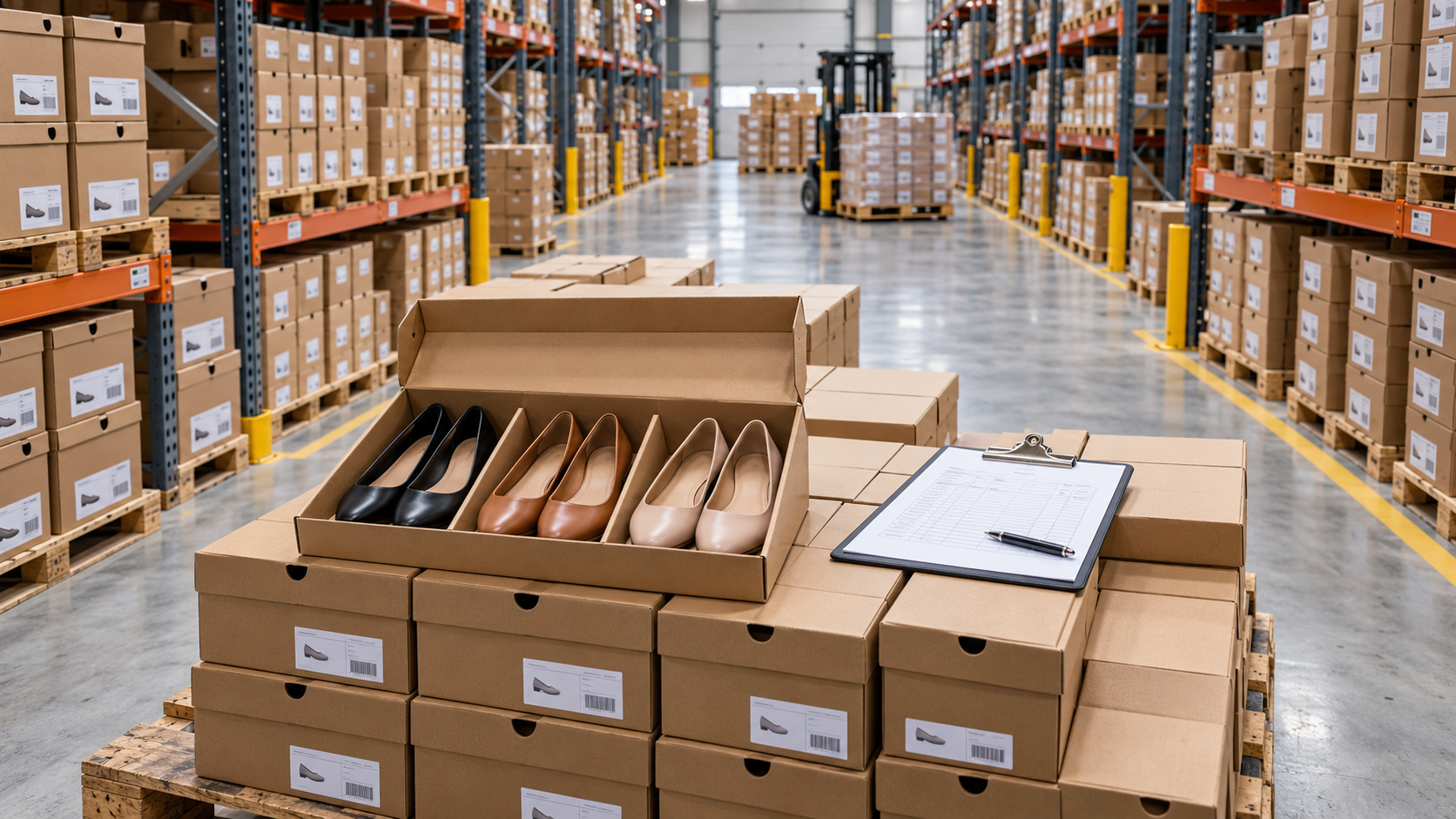
Bulk shoe programs are negotiated on volume and unit price, and the spec is often whatever the sample happened to be. Two restocks later the buyer is holding a delivery where the midsole is lighter, the lining is thinner and the heel column has drifted — at a unit price that no longer looks cheap once the return rate is counted. Because nothing was recorded, the conversation restarts from zero with every shipment.
Our solution writes the program down before bulk: the order locks material standards, heel or sole specs and a size-grading table, materials are graded at intake per lot, and finished-shoe checks run per bulk run against international quality standards. Volume terms then mean something — the agreed spec, delivered repeatedly, with records behind every claim.
Purchase decision helper
Select your requirements — we match them against our current published products and program rules.
Select options above to see matching products.
Matches are based on our current published catalog only.
Customer cases
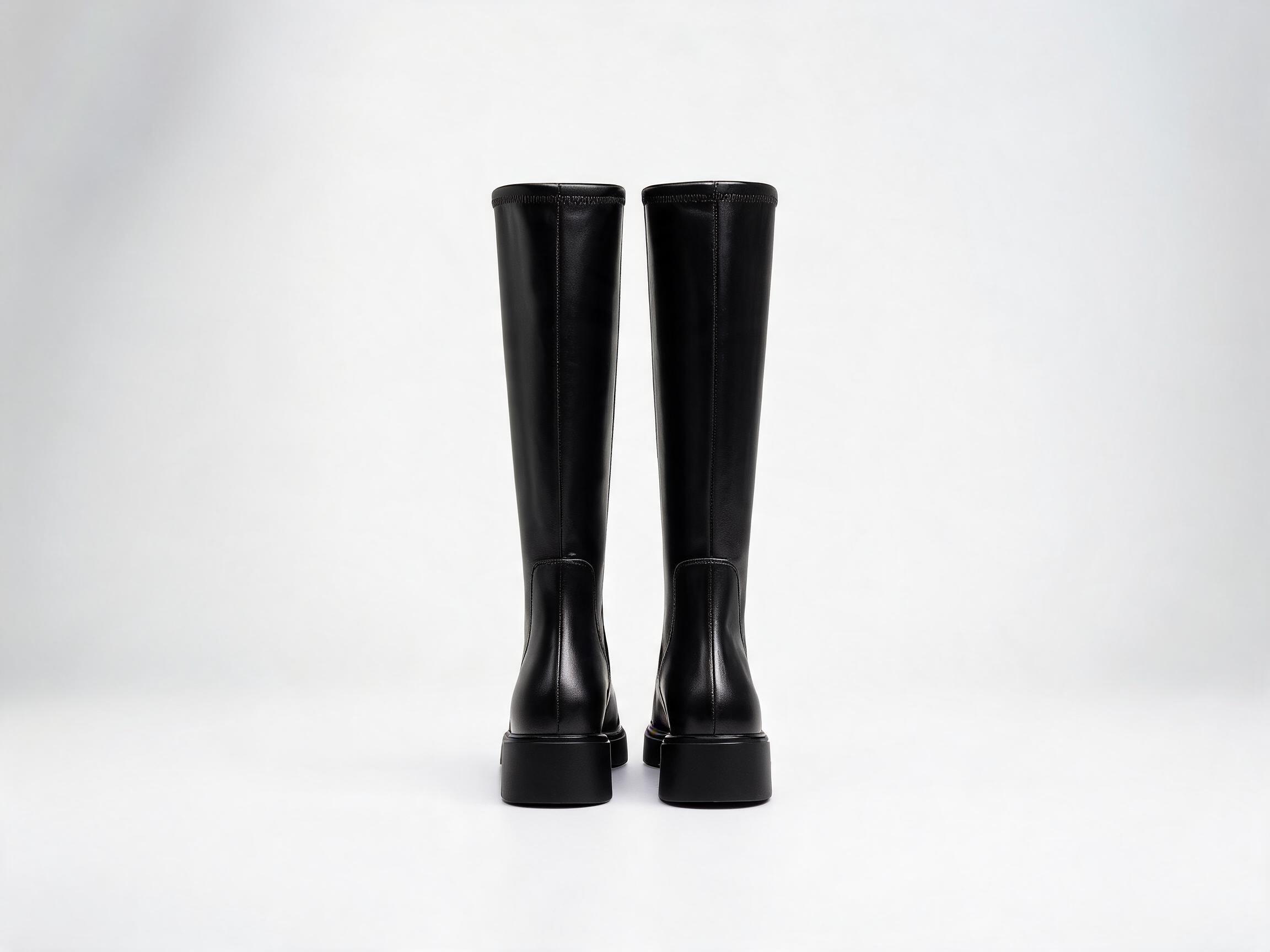
Case — a European retail chain held heel and shaft columns across three bulk runs
Who: a European retail chain running an autumn boots bulk program. What we delivered: locked heel and shaft columns per style, verified per bulk run against the locked order standard, with finished-shoe checks per run. Problem solved: restocks drifted from the original spec once volume pricing was agreed. Before: the third delivery looked different from the first on the same shelf. Now: consecutive bulk runs matched the recorded heel and shaft columns, per the cooperation record. Data source: buyer cooperation record in our backend partner archive.
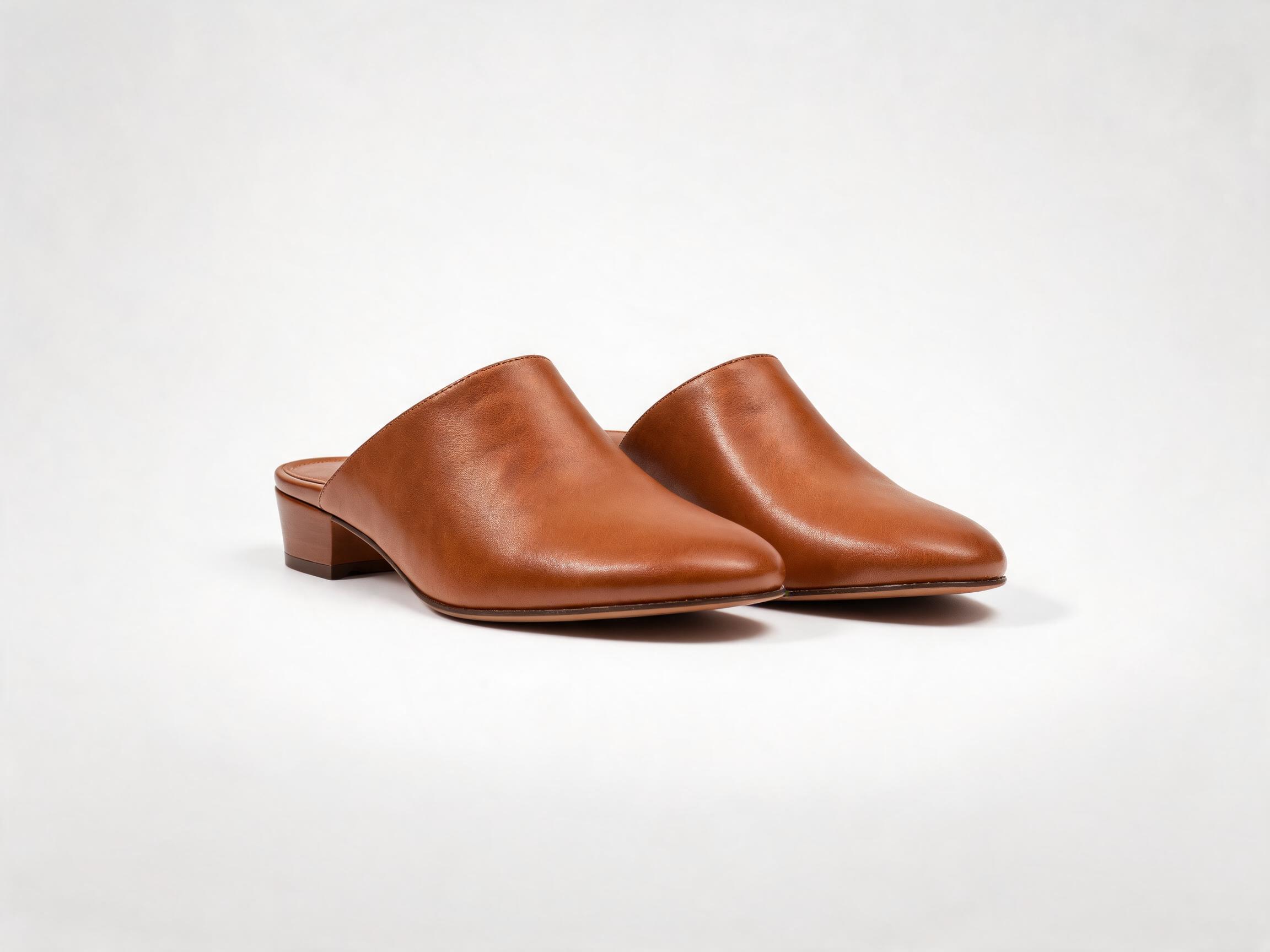
Case — a North American buying group consolidated mules and loafers into one bulk order
Who: a North American buying group consolidating mule and loafer styles into a single bulk order. What we delivered: one recorded size-grading table across the consolidated order, with per-lot material intake grading. Problem solved: mixed sizing between styles made the consolidated program hard to plan. Before: each style ran its own sizing logic. Now: the bulk program held one size table across runs, per the receiving-log note in the cooperation file. Data source: buyer cooperation record in our backend partner archive.
Case — a Middle East distribution partner got spec records with every restock
Who: a Middle East distribution partner running a transitional-season restock program. What we delivered: per-lot material intake grading and finished-shoe checks recorded per bulk run, with the records shipped alongside the goods. Problem solved: spec drift used to restart negotiations from zero with every shipment. Before: quality conversations had no shared reference. Now: restock batches passed the recorded per-lot intake grading, per the cooperation record. Data source: buyer cooperation record in our backend partner archive.
Related products
Reviews & ratings
★★★★★
Scene: a bulk boots program run by a North American retail chain.
Verdict (record excerpt): “Writing the spec down first is why our third restock looks like the first.”
Verifiable result: consecutive bulk runs matched the recorded heel and shaft columns, per the cooperation record.
Source: buyer cooperation record (Sarah, Sourcing Manager, North American retail chain cooperation file), Aurevia partner archive
★★★★☆
Scene: a mixed leather bulk order run by a Middle East distribution partner.
Verdict (record excerpt): “Intake grading records arrived with the shipment; that is what I check first now.”
Verifiable result: restock batches passed the recorded per-lot intake grading, per the cooperation record.
Source: buyer cooperation record (Omar, Distribution Partner, Middle East distributor cooperation file), Aurevia partner archive
★★★★★
Scene: a bulk mule program run by a European footwear importer.
Verdict (record excerpt): “The recorded size table removed the per-batch fit complaints we used to absorb.”
Verifiable result: the bulk program held one size table across runs, per the receiving-log note in the cooperation file.
Source: buyer cooperation record (Michael, Purchasing Director, European footwear importer cooperation file), Aurevia partner archive
Certificates & quality evidence
- Recorded checks: every bulk order passes material intake grading per lot, heel, sole and shaft spec verification against the locked order standard, and finished-shoe checks per bulk run against international quality standards; results are kept in the certificate archive.
- Verifiable on request: the locked spec sheet and size-grading table behind a bulk program can be requested before signing; we provide what exists and state clearly what does not.
- Honest boundary: we document per-order evidence for the bulk program; where a required certification is missing we say so instead of borrowing a badge.
Company strength
- Founded: 2011, based at No. 88 Jinjiang Industrial Zone, Quanzhou, Fujian, China.
- Team & factory: a 260-person team running sampling, cutting, stitching and QC from a modern footwear production workshop; bulk leather programs start from 100 pairs per color as listed on each product page.
- R&D: an in-house design team and pattern makers maintain locked spec sheets per program, heel and shaft construction records and a material library spanning full-grain leather, suede and nubuck uppers.
- Capacity: bulk lines run on one audited production plan with intake, spec verification and finished-shoe checks recorded per order.
- Partners: North American retail chains, European footwear importers and Middle East distributors.
- Export markets: Europe, North America and the Middle East.
FAQ
What does “recorded spec” mean for a bulk order?
Material standards, heel or sole specs and the size-grading table are locked in the order file and verified per bulk run, so volume terms refer to an agreed, checkable spec.
What MOQ applies for bulk programs?
Leather lines start from 100 pairs per color as listed on each product page; larger consolidated orders are quoted per program in the inquiry.
Can one bulk order cover several styles?
Yes — each style carries its own locked spec, and intake grading plus finished-shoe checks run per bulk run across the consolidated order.
How are restocks kept identical?
Materials are graded at intake per lot against the approved counter sample and the results are recorded with each shipment; request the checklist before signing.
Request a solution quotation
This inquiry carries the current solution page context, so our team can answer with the right program details.