
A B2B guide to ODM shoes development: how the model differs from OEM in design ownership, modification depth and IP, plus the full sequence from base-model selection through confirmation-sample freeze, production and shipment inspection.
ODM shoe sourcing is chosen when a buyer wants to start from a developed shoe rather than from a drawing. The deciding questions are who owns the design baseline, how deep the changes go, and where intellectual property sits once the sample is approved. This guide sets out those differences and the step-by-step process a buyer works through with an ODM shoe manufacturer.
Key takeaways
- In ODM, the shoe design originates with the manufacturer; the buyer selects from existing base models and specifies changes.
- In OEM, the buyer supplies the design, and the factory builds to it.
- Modification depth is the practical dividing line: a colour change is a light touch, a new last or outsole is a heavier one.
- IP ownership follows the design baseline and the change scope, not the act of placing an order, so it belongs in writing before sampling.
- The confirmation sample is the frozen reference for mass production and shipment inspection.
On this page
- What ODM shoes means in practice
- ODM versus OEM: four points of difference
- How deep can you modify an ODM base model?
- The ODM process, step by step
- Working with an ODM shoe manufacturer
What ODM shoes means in practice
ODM stands for original design manufacturing. The workable definition for sourcing is this: the manufacturer has already developed the shoe, and the buyer adopts that developed product, usually with a set of requested modifications. The design starting point sits with the factory. The buyer's input comes in the form of changes and commercial requirements rather than a full technical package.
This is why ODM projects usually begin with a catalogue or sample selection rather than a spec sheet. The buyer reviews what already exists, identifies the closest base, and then defines what has to change to make it fit a target market, a price band or a brand line. The task is not to design a shoe from zero; it is to specify a variation clearly enough that it can be sampled, frozen and repeated in production.
ODM versus OEM: four points of difference
The two models are often used loosely, but the difference matters commercially because it changes who carries development work, who controls the design record, and who holds the rights to it.
| Point of difference | OEM | ODM |
|---|---|---|
| Design starting point | Buyer supplies the design and technical requirements | Manufacturer's existing developed model is the baseline |
| Depth of modification | Factory builds to the buyer's spec; deviation is controlled against that spec | Changes are applied to a fixed base: upper leather or colour, last, hardware, outsole, and similar |
| Confirmation sample | Confirms that the factory's output matches the buyer's design | Confirms the agreed changes against the base model, then freezes the variant |
| IP ownership | Design rights generally remain with the buyer as originator | The base design belongs to the manufacturer; rights in the buyer-specific changes depend on what was agreed |
One point deserves care. ODM does not mean the buyer has no rights and OEM does not mean rights are automatic. IP ownership follows the actual design baseline, the scope of the changes the buyer commissioned, and what the two parties put in writing. That is a contractual question rather than a feature of the label, so the practical advice is to settle it before sampling starts rather than after the product ships.
How deep can you modify an ODM base model?
Modification depth is where ODM quotes and timelines really diverge, so it is worth classifying the intended change before asking for sampling. A useful way to think about it is from lighter to heavier:
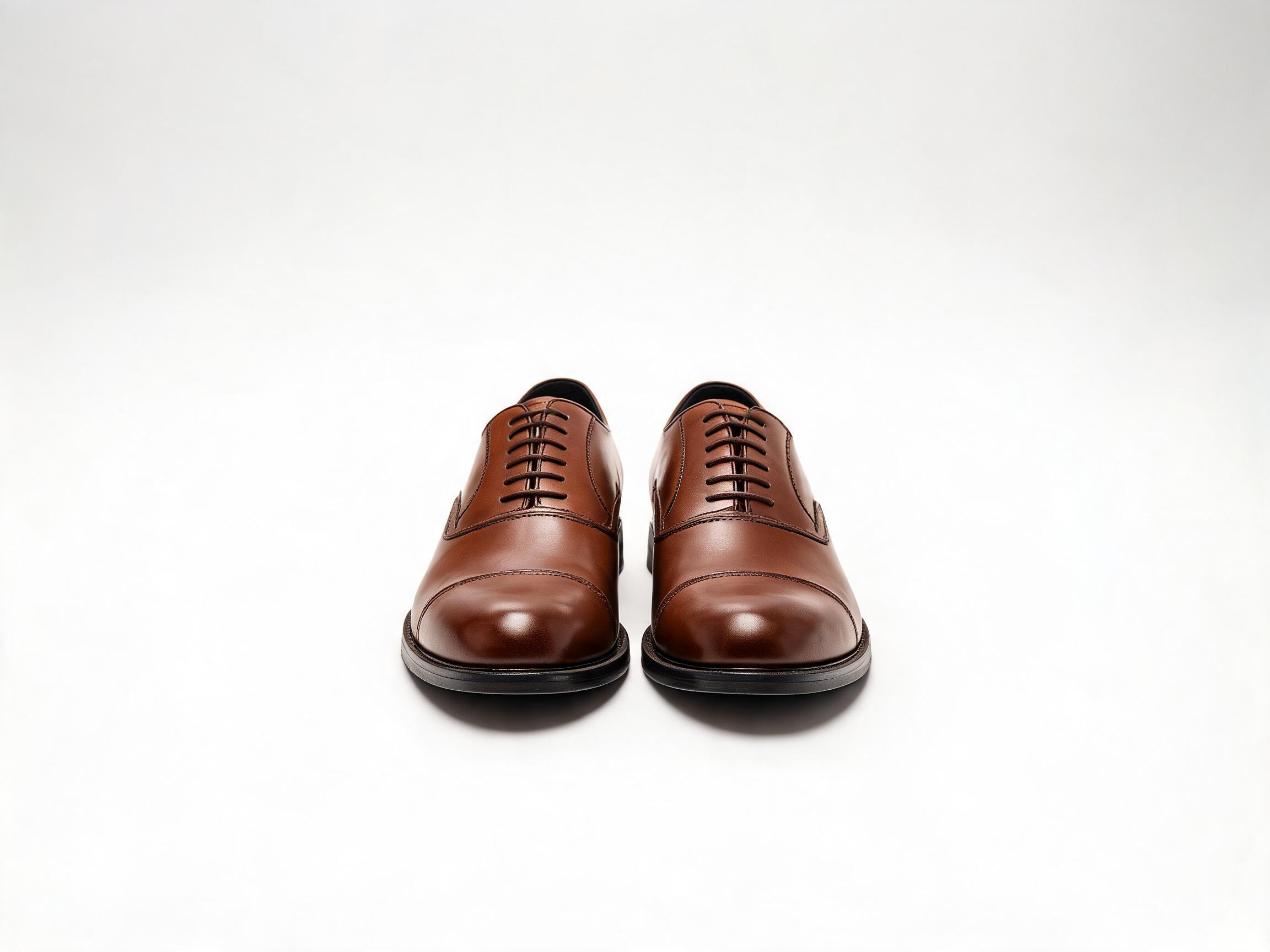
- Material or colour swap. The same pattern and construction, with a different upper leather, finish or colourway. The shape and fit do not move, so this is the lightest change. For example, the brown derby dress shoes base can be considered with a different upper colour or leather finish.
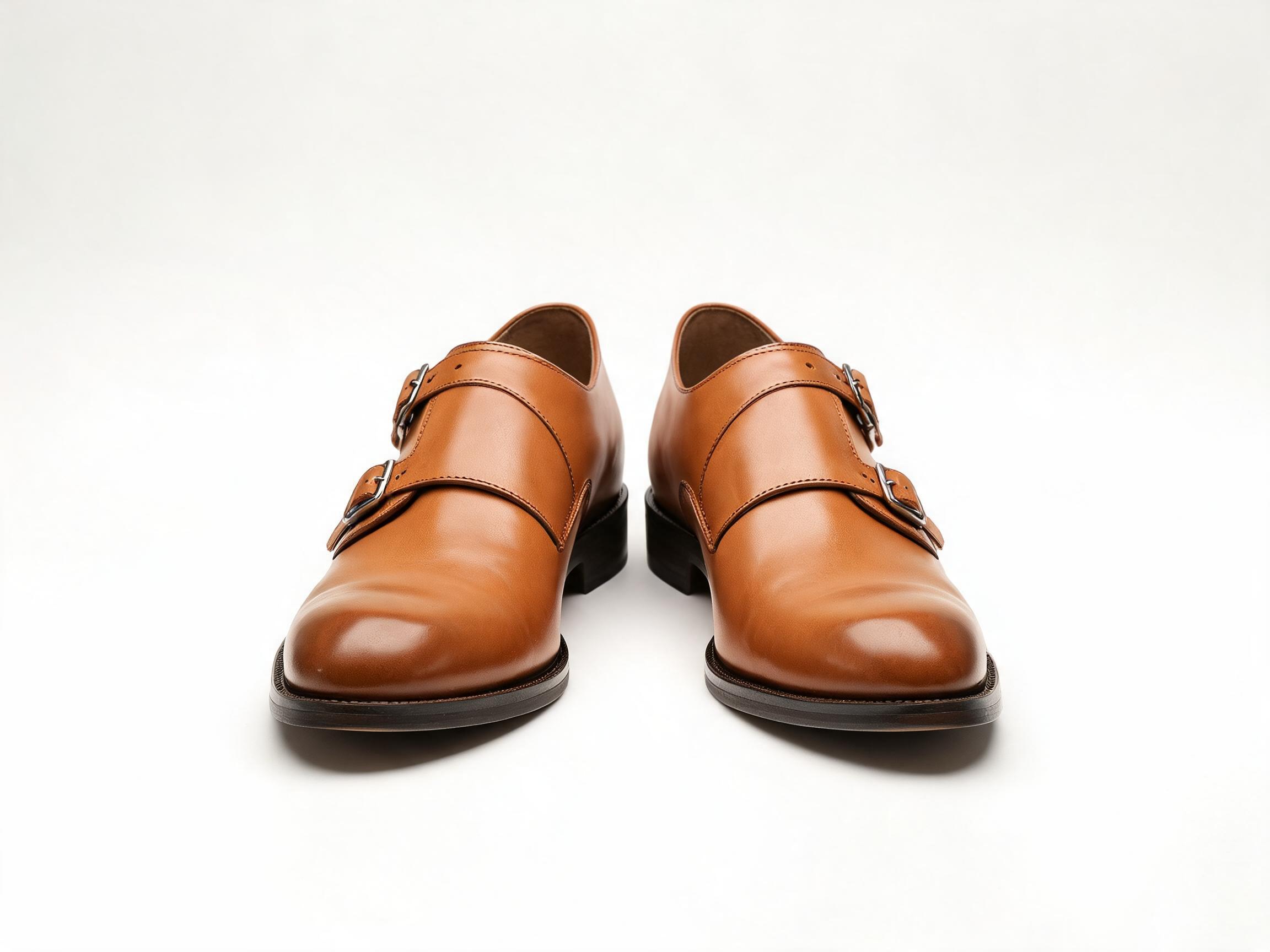
- Hardware change. Buckles, eyelets or strap fittings are swapped while the rest of the shoe stays as developed. The tan double monk strap shoes illustrate a base where hardware and finish carry much of the look, so a buckle or colour change is a meaningful variant that still sits on the original last.
- Outsole change. A different sole unit alters the silhouette and the construction interface. It still starts from an existing upper pattern, but the sole-to-upper joint has to be re-checked in sampling.
- Last change. A new last changes fit and proportions. This is the deepest common ODM change, because the upper pattern generally has to be adjusted to the new last and the fit has to be re-confirmed.
The point of this classification is not to rank difficulty for its own sake. It tells the buyer how much of the base model is still being relied on, and therefore how much of the sample review should focus on the changed element versus the shoe as a whole. A colour change is judged mostly on the material; a last change has to be judged on fit and on the re-cut pattern.
A light-touch example: the black cap toe oxford shoes present a defined upper with a cap toe seam. Keeping that construction and changing the upper finish keeps the pattern intact, so the sample review concentrates on the leather and the finish rather than on the shape. A heavier example would be reworking that same base onto a new last, where the pattern and fit both need checking.
The ODM process, step by step
The sequence below is the working path for an ODM program. Commercial terms such as MOQ and lead time are confirmed with the sales team per program, because they depend on the chosen base, the modification list and the order structure rather than on a fixed published figure.
1. Base model selection
The buyer reviews the ODM shoe range and shortlists base models that are close to the intended product. Selection is judged on construction, last shape, upper pattern and the general price positioning the base supports. At this stage the buyer should note which elements are acceptable as-is and which must change. A clear shortlist of one or two bases keeps the next step focused.
2. Modification list
The buyer writes the change list against each base: what stays, what changes and to what. This is the document that drives sampling, so it should be specific and unambiguous. Colour references, leather type or finish, hardware style and finish, outsole specification and any last change should each be stated as a discrete item, with priorities marked. Where a change is open, say so rather than leaving it blank, so the sampling conversation resolves it rather than guessing at it.
3. Sampling
The manufacturer builds a sample against the modification list. This is where the interaction between changes shows up: a new outsole can affect the stance of the shoe, a new last can affect how the upper sits, and a hardware change can affect the strap tension. The buyer reviews the sample against the change list item by item, not just as a general impression, and returns comments on each point. Where a change has produced an unintended effect, the sample stage is the place to adjust it.
4. Confirmation sample freeze
Once the sample is approved, it is frozen as the confirmation sample: the physical reference against which mass production will be judged. Freezing means the specification is fixed. Any subsequent change reopens the sampling question, because the reference has moved. The buyer should ensure the frozen sample, the written specification and the approved change list agree with one another; a mismatch between them is the most common source of downstream argument.
5. Mass production
Production runs to the frozen confirmation sample and the agreed specification. The value of the freeze is that production has a single reference rather than a verbal understanding. Where the buyer has added inspection requirements, they should be agreed before production begins rather than requested at the end.
6. Shipment inspection
Before shipment, goods are checked against the confirmation sample and the specification. The buyer's inspection criteria should match what was frozen: checking the changed elements and the unchanged base against the same approved reference. Any deviation should be raised against that reference, which is why the consistency of the frozen sample, spec and change list at step four carries through to this final check.
Working with an ODM shoe manufacturer
Our OEM/ODM service supports global B2B buyers with contract manufacturing and private-label customization. For ODM programs, that means the buyer can start from an existing developed model, define a change list, and take the variant through sampling, confirmation and production. The modification directions described above — upper colour and material, last, hardware and outsole — are the practical levers available on a base model.
Two things are worth settling early in the conversation. First, IP ownership for the base design and for the buyer-specific changes, reduced to writing before sampling. Second, the commercial terms, confirmed with the sales team per program once the base and change list are known. Getting those two items clear leaves the sampling work free to focus on the shoe itself.
ODM and OEM describe who originates the design, not how much design control a buyer can have. Within ODM, the change list and the confirmation sample are the buyer's instruments for controlling the outcome; the base model is the manufacturer's starting point. Treat the freeze as the reference for every later check, and the process stays traceable from selection to shipment.